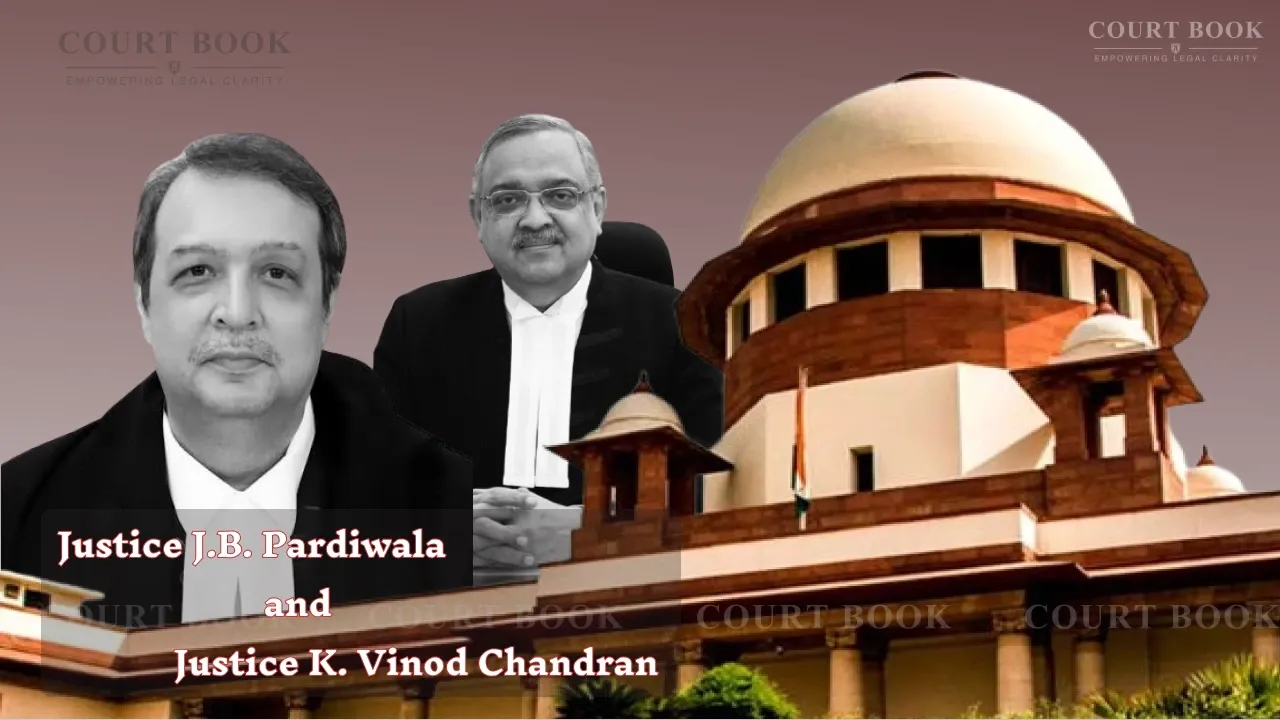
The Supreme Court has acquitted five accused in a Bihar murder case, holding that the prosecution failed to establish their guilt beyond reasonable doubt. The Court found serious gaps in the investigation, questioned the reliability of the eyewitnesses and noted that important physical evidence was neither recovered nor properly examined.
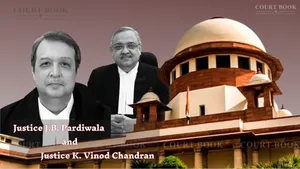
The judgment was delivered on September 1, 2026, by a Bench of Justice J.B. Pardiwala and Justice K. Vinod Chandran in Dhrub Singh Etc. v. The State of Bihar.
Background of the Case
The case arose from a daylight shooting in which the deceased was allegedly attacked while walking towards his fields along with his son, an employee, a relative and another villager. The prosecution alleged that the accused ambushed the group and opened fire, resulting in the deceased being shot in the back. He later died from the gunshot injury.
The trial court convicted the accused under provisions including Sections 302 and 307 read with Section 149 of the IPC. Different accused were also convicted under provisions relating to rioting and use of firearms.
Supreme Court Examines Eyewitness Evidence
The Supreme Court noted that the eyewitnesses gave different accounts about who fired at the deceased and how the incident unfolded. While the Court said that some variation could naturally occur during a sudden firing incident, it found the differences significant when considered alongside the missing physical evidence.
No cartridges were recovered from the alleged place of occurrence, no weapon was seized and the bullet that passed through the deceased's body was also not recovered. Blood-stained earth collected from the scene was not sent for chemical analysis.
The Court also found the medical evidence difficult to reconcile with the eyewitness account. The doctor had indicated that the nature of the injury suggested the deceased was in a sitting position when shot from close range, which did not fit the prosecution's version of the incident.
Court Finds Prosecution Case Under Doubt
The Bench further questioned the alleged motive, observing that the prosecution had not produced sufficient material to establish either the alleged kidnapping or the claimed political rivalry. The eyewitnesses were also closely connected to the deceased, while an independent witness was not examined.
The Court particularly criticised the manner in which the investigation had been conducted, noting that several basic investigative steps were missing.
“We are unable to find the prosecution having established the culpability of the accused beyond reasonable doubt. As we noticed, the eye-witness testimony does not inspire confidence and there are no recoveries made or seizures effected as would have been done in a proper investigation.”
The Bench also held that the High Court had erred in treating a complaint against the investigating officer as a reason to accept the prosecution evidence as conclusive. The Court stressed that where reliable evidence is absent, guilt cannot simply be presumed because an investigation was allegedly compromised.
Decision
The Supreme Court allowed the appeals and acquitted the accused. It directed that those in custody be released forthwith, unless required in another case, while bail bonds of those already released on bail were ordered to stand cancelled.
Case Details
- Case Title: Dhrub Singh Etc. v. The State of Bihar
- Case Number: Criminal Appeal Nos. 1434-1438 of 2017
- Judge: Justice J.B. Pardiwala and Justice K. Vinod Chandran
- Decision Date: September 1, 2026





-300x169.webp)