

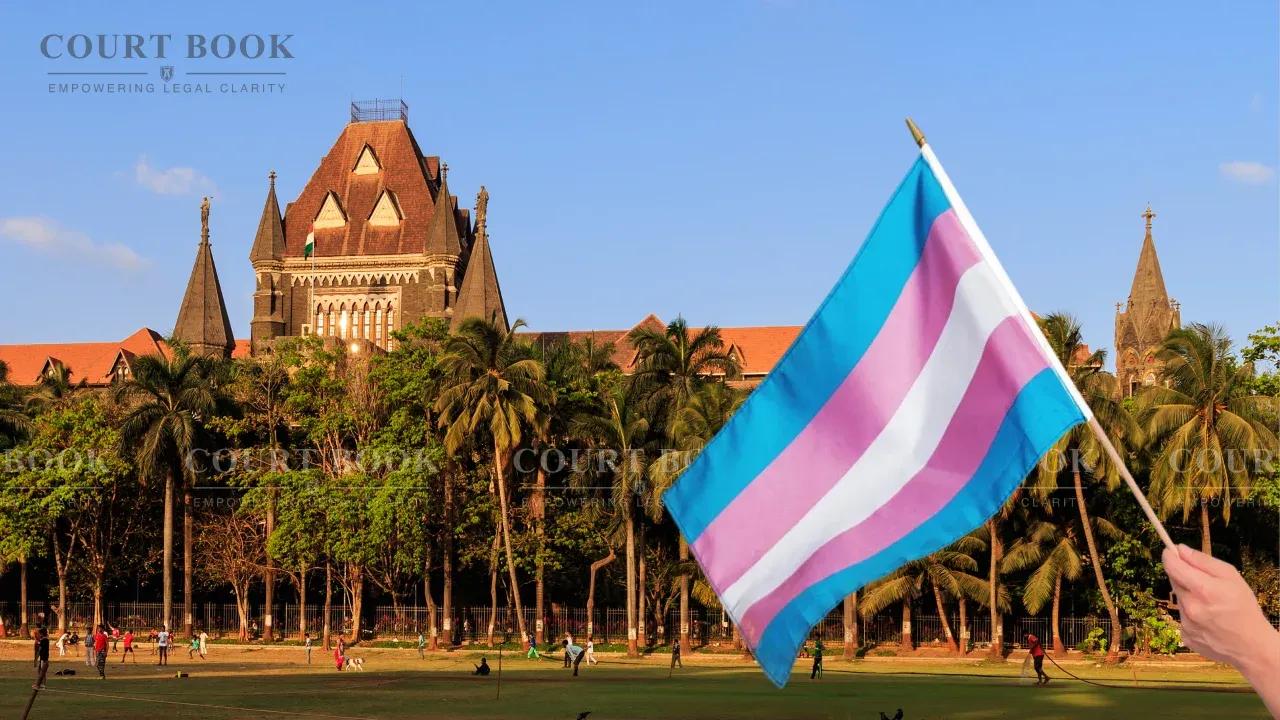
The Bombay High Court has held that allegations under Section 75 of the Bharatiya Nyaya Sanhita (BNS), which deals with sexual harassment, can be sustained even when the complainant is a transgender person who identifies as a woman. The Court refused to discharge an Indian Army Agniveer accused of sexually assaulting a transgender woman on the alleged promise of marriage.
Justice Mehroz K. Pathan, delivered the judgment on November 3, 2026, while dismissing a criminal revision application filed by Vishal S/o Sunil Ingle. The Court held that the complainant's self-perceived gender identity could not be questioned at the stage of considering the accused's discharge application.
Background
According to the prosecution, the complainant had identified as a woman and had allegedly undergone hormonal treatment to develop her gender identity. The accused, who was serving in the Indian Army as an Agniveer, allegedly developed a relationship with the complainant and proposed marriage.
The FIR alleged that the accused had forcible sexual intercourse with the complainant on October 28, 2025, and again on October 30, 2025, after taking her to a flat in Akot.


Following the complaint, police registered an offence under Sections 75, 296 and 351(2) of the BNS, along with Section 18(D) of the Transgender Persons (Protection of Rights) Act, 2019.
The accused approached the High Court after the Additional Sessions Judge, Akot, rejected his discharge application. He argued that Section 75 of the BNS could not apply because the complainant was a transgender person rather than a woman. He also questioned the applicability of the Transgender Persons Act, pointing out that the complainant received the transgender identity certificate only on February 12, 2026, after the alleged incidents.
Rejecting the objection concerning the complainant's gender identity, Justice Pathan referred to the Supreme Court's decision in National Legal Services Authority v. Union of India, which recognised the right of transgender persons to determine their gender identity.
The Court also examined Section 2(k) of the Transgender Persons (Protection of Rights) Act, 2019, which includes transgender men and transgender women within its definition, irrespective of whether they have undergone hormonal treatment or sex reassignment surgery.
The Court observed:
"The perusal of Section 2(k) of the Transgender Persons (Protection of Rights) Act, 2019, indicates that a person may identify as a transgender person, including a transgender man or a transgender woman, even in the absence of a certificate of identity."
The Court also considered that the complainant had identified herself as a woman and had allegedly undergone hormonal treatment in furtherance of her gender identity.
Referring to the applicable provisions of the Transgender Persons Act as they stood when the alleged incidents occurred, the Court observed that the right to self-perceived gender identity was recognised under Section 4(2) before its omission through the 2026 amendment.
Justice Pathan further held:
"In my considered opinion, therefore, the allegations of assault and outraging the modesty of a woman can be sustained even where the victim is a transgender person who identifies herself as a woman."
The Court also rejected the argument that the alleged physical relationship was consensual, observing that the question of consent would require evaluation during the trial. It clarified that whether the prosecution could ultimately establish the allegations would be assessed on the basis of evidence.
Finding sufficient material to proceed against the accused, the Bombay High Court held that a prima facie case was made out under the provisions invoked against him. It found no reason to interfere with the Sessions Court's order rejecting discharge.
Accordingly, Justice Mehroz K. Pathan dismissed the criminal revision application filed by Vishal S/o Sunil Ingle.
Case Details
Case Title: Vishal S/o Sunil Ingle v. State of Maharashtra
Case Number: Criminal Revision Application No. 270 of 2026
Judges: Justice Mehroz K. Pathan
Decision Date: November 3, 2026



