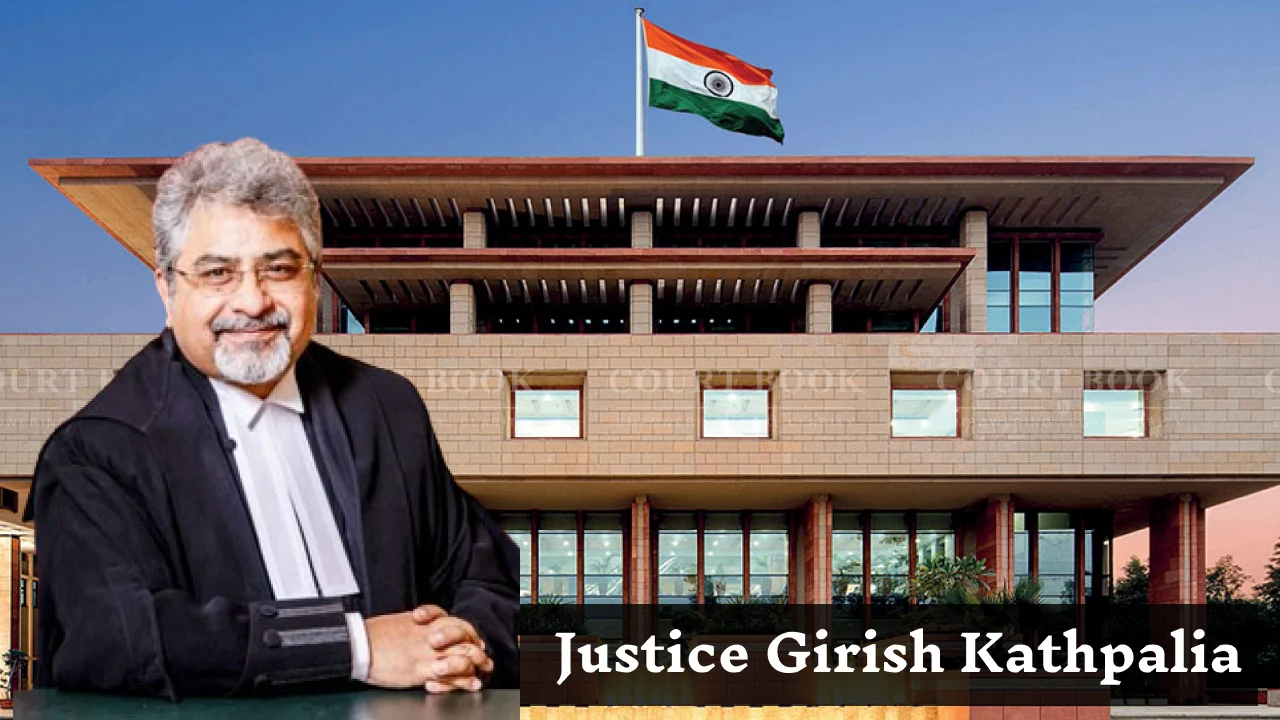
The Delhi High Court has refused to grant regular bail to Karan Singh in a case concerning the death of a 12-year-old child after coming into contact with an electrified fence around land allegedly being managed by him.
Justice Girish Kathpalia passed the order on September 14, 2026, in Bail Application No. 3810/2026 arising from FIR No. 77/2025 registered at Jaffarpur Kalan Police Station under Section 105 of the Bharatiya Nyaya Sanhita (BNS).
Background Of The Case
According to the prosecution, an electric fence had allegedly been erected around the land and a 12-year-old child came into contact with it, resulting in his death.
Singh's counsel argued that there was no intention to cause death. It was also submitted that Singh was neither the owner of the land nor the holder of the electricity meter. The defence claimed that the fencing was installed to protect the property from wild animals and relied on a satellite image of the area.
The State opposed bail, submitting that the fence used 10mm thick wire carrying 220–225 volts without a regulator, insulator, circuit breaker or other electrical safety device. The trial court had also already framed a charge under Section 105 BNS, against which a revision petition was stated to be pending before the Registry under objections.
Court's Observation
The High Court examined the satellite image and rejected the defence explanation that the fencing separated the land from a forest area. The Court noted that the fencing actually separated two different plots from the property in question.
"Admittedly, the fencing in question was electrified by the accused/applicant without obtaining any sanction from electricity authorities. This act was per se so imminently dangerous that the accused/applicant cannot claim lack of knowledge that it was likely to cause death of anyone coming in contact with the fence."
The Court also noted that no warning sign had been installed despite the high-voltage fencing, while the investigation indicated that local children played in the adjoining area.
Decision
The Court further recorded the State's submission that although the land stood in the name of Singh's father on paper, Singh was allegedly cultivating and managing it.
Considering the circumstances, Justice Girish Kathpalia held that this was not a fit case for release on bail at that stage and dismissed the bail application along with the accompanying application.



-300x169.webp)