

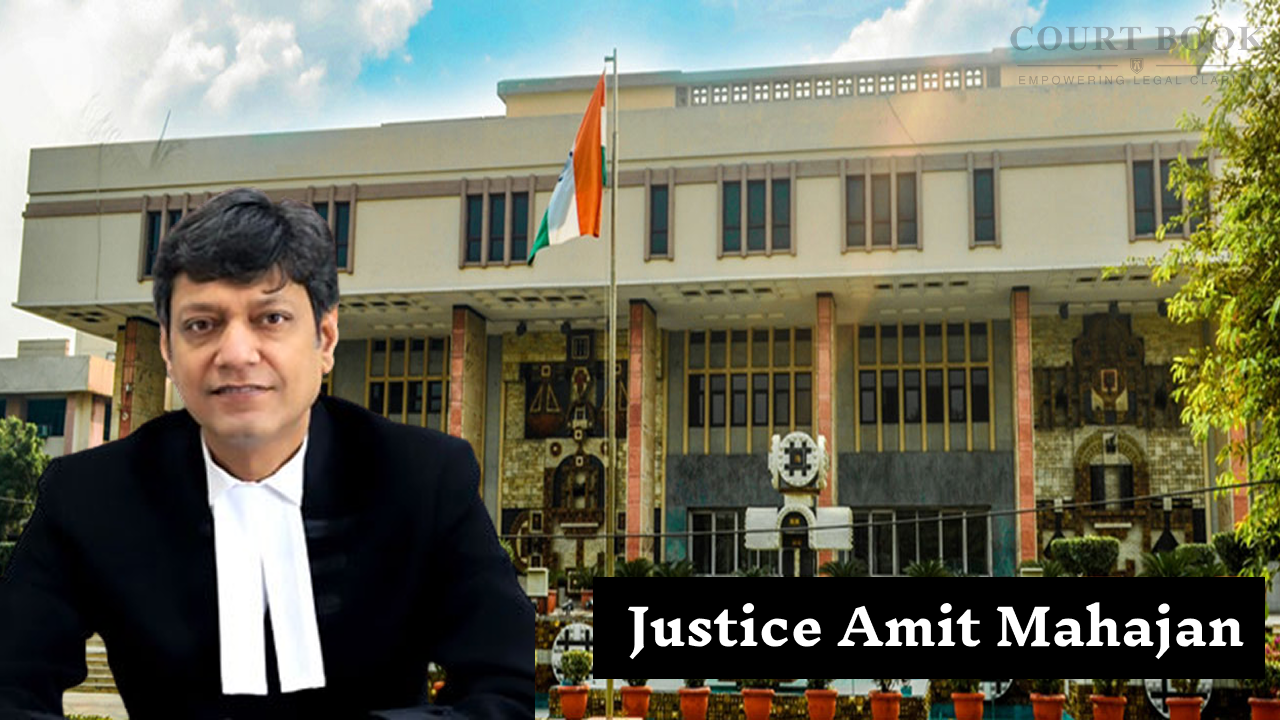
The Delhi High Court has directed the Delhi Urban Shelter Improvement Board (DUSIB) to frame comprehensive annual guidelines for allotting public grounds for Ramleela and similar cultural or religious events. Justice Amit Mahajan held that a first-come-first-served system, without a clearly announced application process, could create unequal opportunities for organisations seeking to use public land.
The court issued the directions while deciding a petition filed by Rays of New Beginning Foundation, which challenged the rejection of its application to organise the annual Ramleela Dussehra Mahotsav at Chunk-C Ground, Shivaji Place, Raja Garden, New Delhi.
Background
The foundation had organised the festival at the same ground in 2023 and 2024 after obtaining the necessary allotments. It applied again on May 26, 2026, seeking permission to use the site from September 25 to November 8, 2026.
After the authorities did not decide its application, the foundation approached the High Court. Following an earlier direction to decide the matter, the authorities rejected its request on September 28, 2026, stating that another applicant had applied on April 10, 2026, and was therefore entitled to priority under the first-come-first-served approach.
The foundation argued that the Delhi Development Authority's standard operating procedure dated September 1, 2026, provided preference to societies that had organised events at the same site in previous years, subject to the prescribed conditions.
Justice Mahajan found that no notice had specified the application window or informed applicants that allotments would follow a first-come-first-served policy. The court also questioned whether the earliest application should automatically establish the strongest claim to a public facility.
The judgment observed,
“The determinacy of a criterion and its inherent rationality are two distinct questions.”
The court explained that a system based solely on application timing could favour organisations with earlier access to administrative information. It also noted the uncertainty created when applications were received before the governing procedure was published, particularly when different authorities followed different arrangements.
The court further cautioned that giving previous organisers an overriding preference could create a de facto monopoly. Continuity and experience could be considered, but should not automatically decide the outcome when other eligible applicants were competing for the same site.
The High Court declined to cancel the existing allotment or transfer the ground to the foundation for the 2026 festivities, observing that the events were about to commence.
For subsequent years, the court directed DUSIB to review the applicable instructions and frame comprehensive annual guidelines before allotment begins. These must include public notices at least 90 days before the first scheduled event, clearly defined application windows, common eligibility checks, published evaluation criteria, safety requirements and a grievance-redressal mechanism.
Where multiple eligible applicants compete for a site, the authorities must assess their claims using predetermined, published criteria. Previous organisers may receive limited preference, but not an automatic right to allotment; where competing applicants exist, such preference cannot extend beyond two consecutive years.
The directions are prospective and do not retrospectively alter the policies applicable to the 2026 season. The petition and pending applications were disposed of accordingly.


