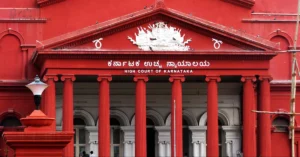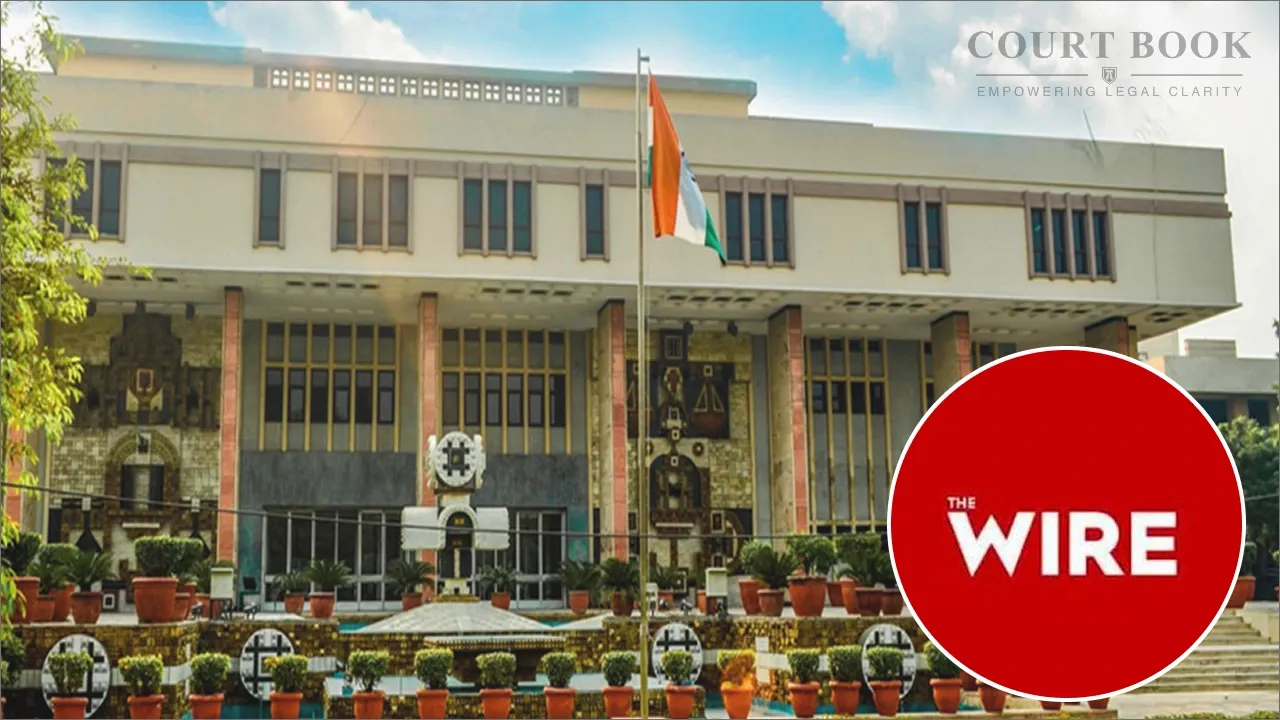
The Delhi High Court has partly modified an earlier interim order in a defamation suit filed by former Delhi Chief Secretary Naresh Kumar against The Wire and others. While the Court allowed the earlier direction requiring the disputed article and related social media posts to remain taken down until the trial concludes, it removed a broader restraint that prohibited future publications of a similar nature.
Justice Anup Jairam Bhambhani, delivering judgment on July 20, 2026, held that courts cannot issue speculative "gag orders" preventing future publications merely because they may later be alleged to be defamatory. At the same time, the Court ruled that the civil suit itself remains maintainable and that key factual disputes must be decided during trial.
Background of the Case
The dispute arose from a The Wire article published on November 9, 2023, which questioned possible links between the son of the then Delhi Chief Secretary and persons who had benefited from enhanced compensation in a land acquisition matter relating to the Dwarka Expressway.
Naresh Kumar approached the Delhi High Court claiming that the publication created a false impression of wrongdoing, damaged his reputation and omitted crucial facts. He argued that long before the article was published, he had himself initiated administrative action against the District Magistrate whose land compensation order later became controversial.
According to the plaintiff, these official steps-including recommending disciplinary action and a CBI inquiry-were not fairly reflected in the report despite being communicated to the journalists.
An earlier Bench had directed the article and certain social media posts to be removed and had also restrained the defendants from publishing similar allegedly defamatory material in future.
Court's Observations
Justice Bhambhani examined whether the publication related to Naresh Kumar's official duties and whether the suit could continue despite the Supreme Court's ruling in R. Rajagopal v. State of Tamil Nadu.
The Court concluded that the article was clearly connected to the plaintiff's functioning as Delhi's Chief Secretary because it concerned decisions taken in his official capacity.
However, that did not automatically end the matter.
The Court noted that Naresh Kumar had specifically alleged that the publication was made with "reckless disregard for truth" and was motivated by malice. It also observed that documents relied upon by the plaintiff suggested that significant administrative action against the concerned District Magistrate had allegedly begun months before the article appeared.
The Court observed,
"Whether such disregard is reckless in nature... and whether the omission... makes the article false and actuated by malice or personal animosity, are aspects that cannot be adjudicated except in the course of trial."
Because these disputed questions require evidence, the Court held that the suit cannot be rejected at the preliminary stage.
Gag Order Found Too Broad
The High Court then examined the earlier direction restraining The Wire from publishing any future material similar to the disputed article.
Justice Bhambhani found this direction legally unsustainable.
The judgment explained that courts cannot presume that future reporting will necessarily be defamatory. Whether a publication is defamatory depends on its content and on legal defences such as truth, fair comment and privilege, all of which can only be assessed after publication.
The Court observed,
"No matter how perspicacious a court may be, it cannot act as a soothsayer and predict what an author may publish next.”
Relying on Indian and English precedents, including Bonnard v. Perryman and Fraser v. Evans, the Court reiterated that prior restraints on speech must be granted only in exceptional circumstances.
Court's Decision
The Delhi High Court held that the defamation suit filed by Naresh Kumar is maintainable because his allegations of reckless disregard for truth and malice require examination during trial.
The Court declined to disturb the earlier directions requiring the disputed article and identified social media posts to remain removed pending the outcome of the suit.
However, it recalled the broader injunction restraining future publications of similar content, holding that such a prospective restraint was overly broad, hypothetical and contrary to settled principles governing freedom of speech and defamation law.
The interim order was modified accordingly, and the application was disposed of.
Case Details
Case Title: Shri Naresh Kumar v. The Wire & Ors.
Case Number: CS(OS) 749/2023
Judge: Justice Anup Jairam Bhambhani
Decision Date: July 20, 2026



-300x169.webp)
 Act (UAPA)-300x169.webp)