

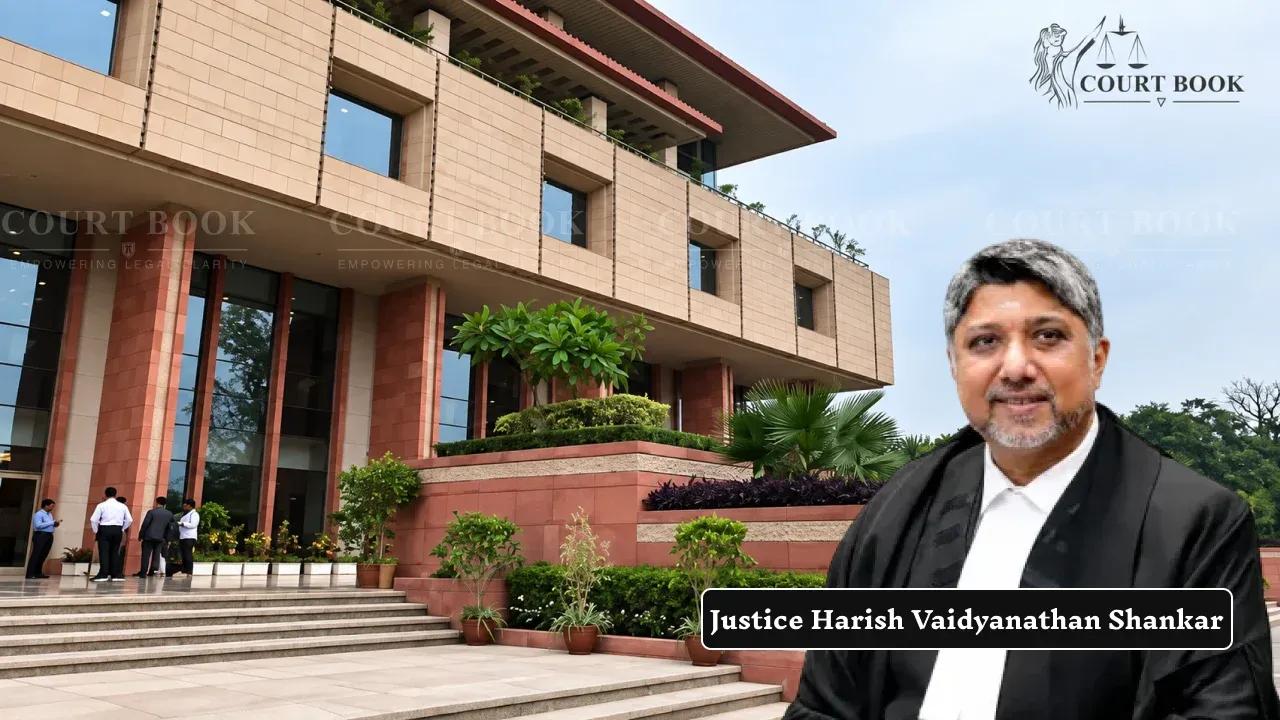
The Delhi High Court has dismissed a petition by the heirs of a former licensee who said a notice demanding "arrears of rent" could not support an order for damages. Justice Harish Vaidyanathan Shankar found that the wording lapse caused no prejudice.
Background
The dispute concerns premises Nos. 4622, 4623 and 4624 at Arya Pura, Subzi Mandi, Delhi, now managed by DUSIB. Om Prakash Grover and others, heirs of the late Lekh Raj, held a joint licence that was cancelled on 5 April 2000. The Estate Officer later ordered Rs. 13,95,400 as damages from 1 April 1995, with 18 per cent interest. The appellate authority limited liability to the period after cancellation and cut interest to 12 per cent.
The petitioners said the notice sought rent, which presumes lawful occupation, while the order awarded damages for unauthorised occupation. They also challenged the finding of unauthorised occupation and raised limitation.
The Court said the notice came in continuation of earlier proceedings in which the petitioners had been held unauthorised occupants. Their own reply showed they understood the claim as one for damages. The Court observed:


"The present case is not one of 'no notice'. The Petitioners had notice of the demand, of the rate at which it was computed and of the period to which it related; they filed two replies; and their objections were considered. The complaint, at its highest, is of a deficiency in the description of the demand, which is required to be examined from the standpoint of prejudice. No prejudice whatsoever is shown to have been caused to them."
On the status of the premises, it added:
"In view of the foregoing facts, this Court is of the considered view that the Petitioners cannot, now in a challenge to an order assessing damages, be permitted to reopen a cancellation which they have unsuccessfully assailed, in one proceeding after another, for over two decades."
The Court also declined to entertain the limitation plea, raised for the first time before it. It held that the plea depended on disputed facts and was not a pure question of law:
"The obligation under Section 3 of the Limitation Act, therefore, does not dispense with the requirement of a factual foundation. Where the bar is apparent from facts which are admitted, or which appear on the face of the record, the forum is bound to give effect to it, whether or not it has been pleaded."
The High Court found no jurisdictional error, breach of natural justice or perversity, and dismissed the petition. It upheld the Estate Officer's order as modified by the appellate authority. Amounts already deposited are to be adjusted, and the Respondents may recover any balance in accordance with law.
No costs were awarded.



