

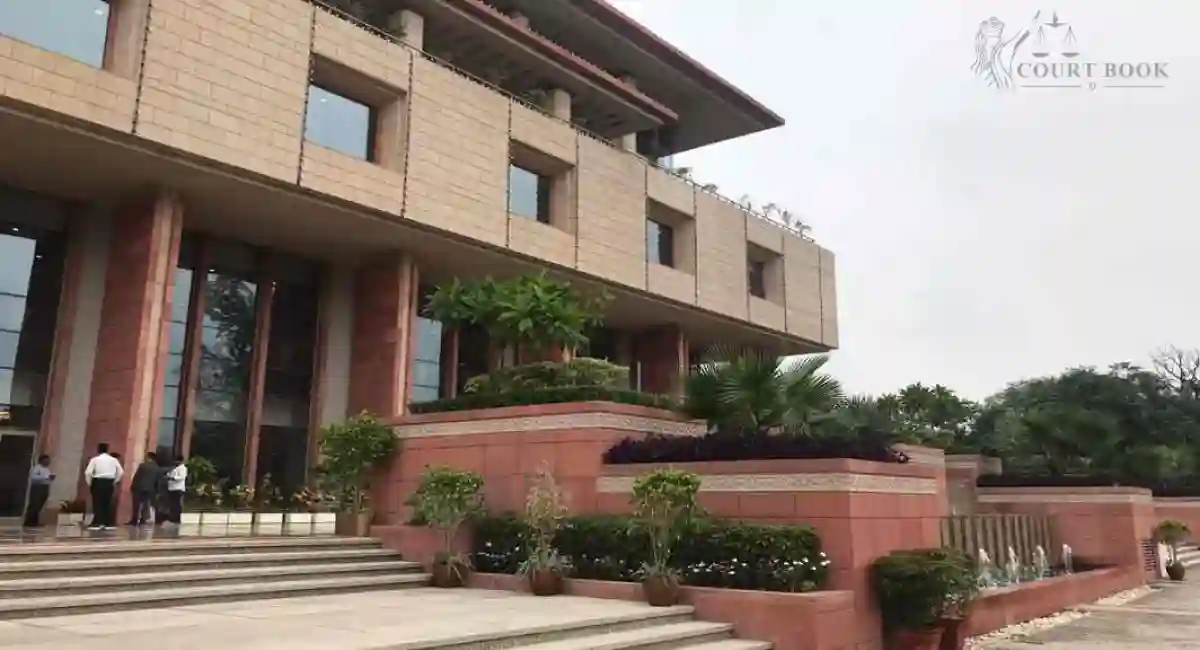
The Delhi High Court has settled an important procedural question under Section 223 of the Bharatiya Nagarik Suraksha Sanhita (BNSS), 2023, concerning the stage at which a Magistrate can take cognizance of an offence on a private complaint and when the proposed accused must be heard.
Background
In the first petition, Dr Rita Bakshi challenged an order of the Saket Courts directing notice to her under Section 223 BNSS before the recording of pre-summoning evidence in a private complaint.
The second petition involved a similar issue. Anita Rani Mehra and another petitioner challenged an order directing notice to the proposed accused after a private complaint had been filed.
The cases were placed before the Division Bench after a Single Judge referred questions concerning the meaning of “while taking cognizance” under Section 223(1) BNSS and the precise stage for hearing the accused.
The Bench comprising Justice Navin Chawla and Justice Ravinder Dudeja examined the difference between the earlier procedure under Section 200 of the Code of Criminal Procedure and the new framework under Section 223 BNSS. The Bench noted that the legislature had deliberately introduced both the expression “while taking cognizance” and a proviso requiring an opportunity of hearing to the accused.
The Court held that the examination of the complainant and witnesses forms part of the process leading to cognizance under the BNSS. It further held that the accused's hearing must take place after that examination, where such examination is required, but before the Magistrate formally takes cognizance.
The Bench stated:
“The Magistrate can take cognizance of an offence only after examining the complainant and the witnesses present on oath, unless it is exempted by the statute, and giving an opportunity to the accused to be heard.”
The Court further clarified that notice should not ordinarily be issued immediately upon presentation of the complaint when the complainant and witnesses are required to be examined.
Answering the two questions referred to it, the Division Bench held that the Magistrate must first examine the complainant and witnesses on oath, unless the statute provides an exemption. If, after that examination, the Magistrate forms a prima facie view that the complaint should not be dismissed under Section 226 BNSS, notice must then be issued to the accused.
The formal decision to take cognizance can be made only after the accused has been given an opportunity of being heard.
The Bench directed that both petitions be listed before the Roster Bench on October 28, 2026, subject to the orders of the Chief Justice, and directed that a copy of the judgment be communicated to the referral court.


