

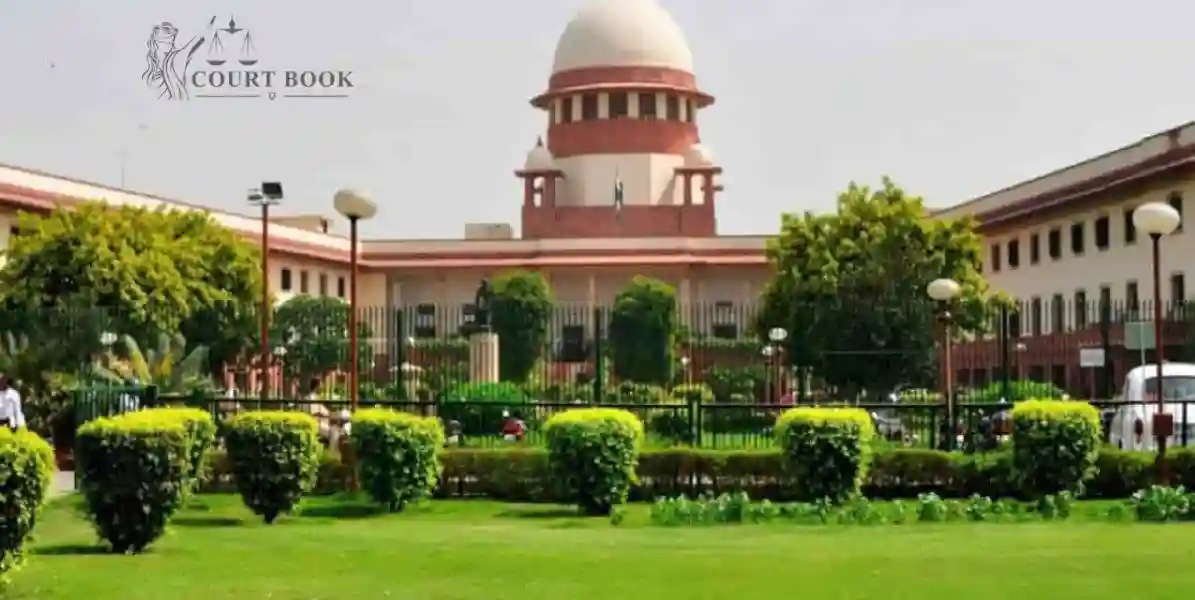
The Supreme Court has held that the Central Excise and Service Tax Department could not invoke the extended limitation period against a vehicle body-building job worker when the relevant valuation details were already known to the Department.
A Bench of Justices J.B. Pardiwala and K. Vinod Chandran delivered the judgment on August 13, 2026, in Civil Appeal Nos. 10504-10506 of 2017. The Court, however, clarified that the assessee was otherwise required to include the full value of the chassis, including the additional 10% component prescribed under the valuation rules.
Background of the Case
The appellants were engaged in building vehicle bodies on chassis supplied by manufacturers. The manufacturers paid excise duty on the chassis by valuing it at 110% of its manufacturing cost under Rule 8 of the Central Excise Valuation Rules, 2000.
After the body was built, the completed vehicle was returned to the manufacturer. The dispute arose over whether the additional 10% component already included in the chassis valuation also had to be included when calculating the assessable value of the completed vehicle.
The Supreme Court agreed that the 10% component had to be included. It held that this amount formed part of the statutory value of the chassis and therefore remained part of the assessable value when the body-built vehicle was cleared by the job worker.
Supreme Court's Observation on Limitation
The main issue, however, concerned the Department's attempt to rely on the extended limitation period under the proviso to Section 11A of the Central Excise Act.
The Court referred to earlier decisions explaining that suppression or misstatement must be wilful and connected with an intention to evade duty before the extended period can be used.
The Bench particularly noted that the manufacturer had already cleared the chassis at 110% of its manufacturing cost, and this fact was known to the Department.
“The department ought to have taken immediate action under sub-section (1),” the Court observed, holding that the extended limitation provision could not subsequently be invoked.
Court's Decision
The demand concerned the period from November 1, 2004, to March 31, 2007. The show-cause notice was issued on April 30, 2008, beyond the ordinary one-year limitation period prescribed under Section 11A(1).
The Supreme Court set aside the orders of the Tribunal, the original authority and the appellate authority. It clarified that the liability to include the entire chassis cost, on which excise duty had already been paid by the manufacturer, remained legally applicable. However, the demand for the relevant period could not be enforced because the extended limitation period was unavailable.
The appeals were accordingly allowed.
Case Details
Case Title: Audi Automobiles & Ors. v. Commissioner of Central Excise and Service Tax, Indore
Case Number: Civil Appeal Nos. 10504-10506 of 2017
Judge: Justice J.B. Pardiwala and Justice K. Vinod Chandran
Decision Date: August 13, 2026


