

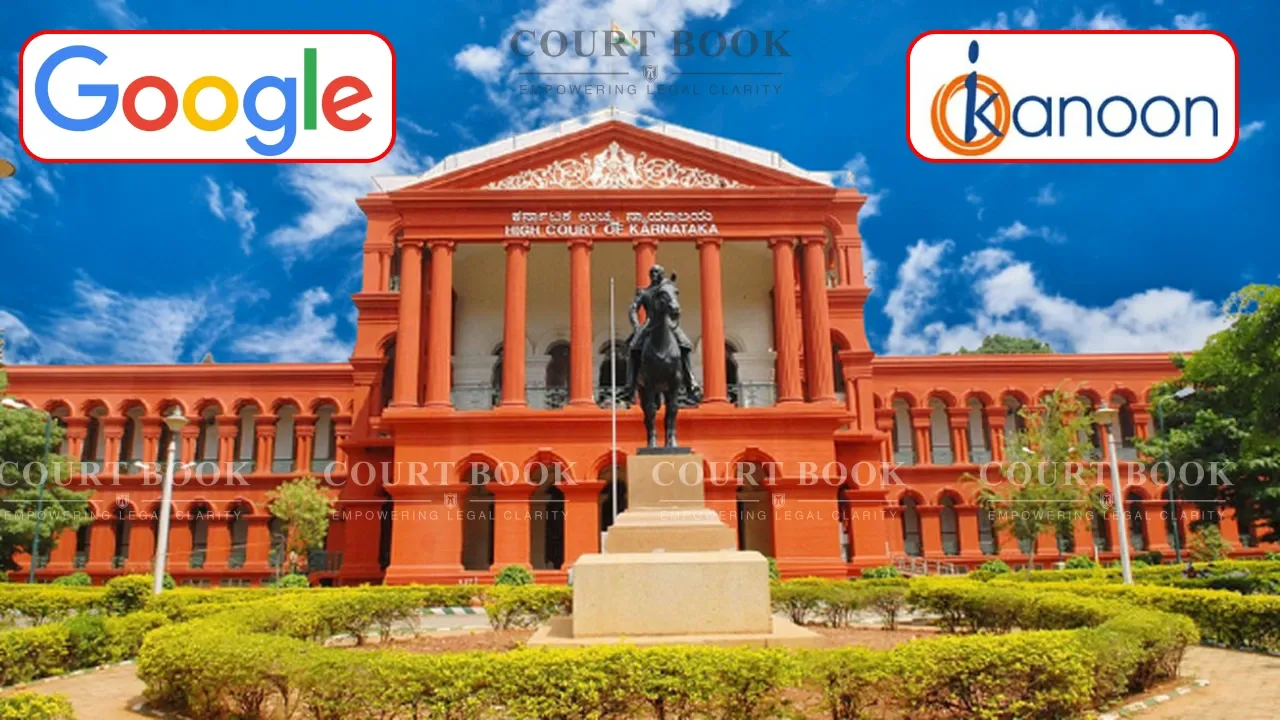
The Karnataka High Court has directed that the identity of a woman who was acquitted in a criminal case be masked from digital court records and online legal platforms, holding that a person who has been finally acquitted should not continue to suffer because of permanent online records. Justice M. Nagaprasanna observed that allowing outdated digital records to continue portraying an acquitted individual as an accused would undermine both dignity and the constitutional right to privacy.
Background of the Case
The petitioner's name has been deliberately masked in the court records, and the High Court maintained that anonymity throughout the proceedings. She had earlier faced prosecution in a criminal case arising from Crime No. 29/2014 and was tried in Sessions Case No. 547/2015. In March 2019, the trial court acquitted her after finding that the prosecution had failed to establish the allegations. The acquittal later attained finality.
After being granted refugee status and permanent residence in Sweden, the petitioner claimed that searches on Google and Indian Kanoon continued to display records identifying her as an accused. According to her, these digital records affected employment opportunities and prevented her from rebuilding her life despite her acquittal.
Court’s Observations
Justice M. Nagaprasanna noted that a final acquittal restores the legal presumption of innocence and that this recognition should extend to the digital world as well.
The Court observed:
“A Court of law may pronounce innocence in its judgment, but if the virtual world continues to portray the individual as an accused, the acquittal risks becoming a paper declaration.”
The bench further remarked that allowing obsolete online records to continue displaying allegations after an acquittal would mean "allowing technology to defeat justice and memory to triumph over judicial truth."
The Court also held that continuing to associate an acquitted person with criminal proceedings online could damage reputation, employment prospects and the ability to live with dignity.
Referring extensively to the Supreme Court's decision in Justice K.S. Puttaswamy (Retd.) v. Union of India, the High Court said informational privacy includes the individual's ability to control personal data on the internet. It also discussed the evolving "right to be forgotten" as part of the constitutional guarantee of privacy under Article 21.
The Court relied upon similar decisions of the Delhi High Court recognising protection against continued digital publication where criminal proceedings had ended in favour of the individual.
Court's Decision
Rejecting the concern that such relief would open the floodgates for similar petitions, the High Court held that every case must be examined on its own facts. It emphasized that constitutional rights cannot be denied merely because others may seek similar relief.
Allowing the writ petition, the Court directed Respondent Nos. 1 to 5, including Google and Indian Kanoon, to mask the petitioner's name from records relating to Sessions Case No. 547/2015 arising out of Crime No. 29/2014 within four weeks.
Since the petitioner's identity was masked throughout the judgment, it has not been disclosed in this report.
Case Details
Case Title: XXXXXX v. Registrar General, High Court of Karnataka & Others
Case Number: Writ Petition No. 22456 of 2025
Judge: Hon'ble Mr. Justice M. Nagaprasanna
Decision Date: 27 July 2026


