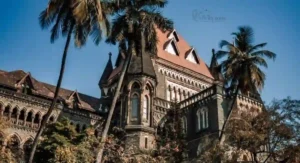
The constitutional validity of the Maharashtra Freedom of Religion (MFR) Act 2026 has been challenged before the Bombay High Court. The petition questions several provisions of the legislation, arguing that they place excessive restrictions on religious choice, personal autonomy and other fundamental rights.
The petition has been filed by Maulana Halimullah Farooque Ahemed Khan, through advocate Abdul Mateen Shaikh. The petitioner contends that the State can regulate conversions obtained through force, fraud or coercion, but argues that the MFR Act goes beyond that limited objective.
The challenge particularly concerns Sections 2(a), 3, 6, 7 and 9 of the Act. Section 2(a), which defines “allurement”, is alleged to use broad expressions such as “better lifestyle” and “divine healing”. According to the plea, such wording could potentially cover legitimate religious propagation, charitable assistance and educational activities.
The petition invokes Articles 14, 19(1)(a), 19(1)(c), 21, 25, 26 and 29 of the Constitution. It argues that the statutory framework could result in arbitrary enforcement and restrict freedom of conscience and religious choice.
The petitioner has also questioned the prior disclosure and inquiry mechanism under Sections 6 and 7, contending that requiring a person to disclose an intended religious conversion to State authorities interferes with privacy, dignity and decisional autonomy.
The plea states, "The choice to retain, change, or adopt a faith is intrinsically linked to conscience and identity."
The petitioner has sought a declaration that the challenged provisions are unconstitutional and void to the extent that they violate fundamental rights under Part III of the Constitution.
The matter is pending before the Bombay High Court for adjudication.
Case Title: Maulana Halimullah Farooque Ahemed Khan vs State of Maharashtra