

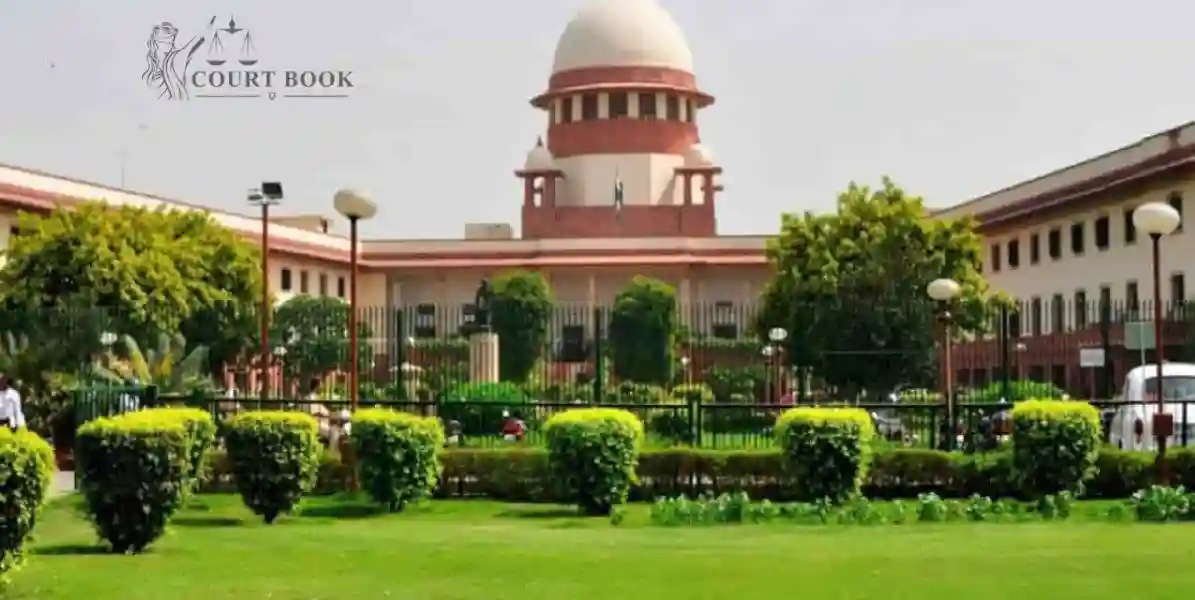
The Supreme Court has set aside a Telangana High Court judgment upholding Lok Adalat awards concerning the apportionment of compensation for acquired land. The Court held that disputed title claims could not be resolved through a settlement that did not involve or bear the consent and signatures of all concerned claimants.
A Bench of Justice J.B. Pardiwala and Justice Manoj Misra delivered the judgment on August 19, 2026
Background of the Case
The dispute arose from the acquisition of around 489.04 acres of land in Kommepalli and Kistaram villages for mining operations of Singareni Collieries Company Limited.
The Land Acquisition Officer initially determined compensation at Rs. 3,48,935 per acre through an award dated December 30, 2013. Since disputes existed regarding title and the persons entitled to receive the compensation, the matter was referred to the Principal District Judge, Khammam under Sections 30 and 31 of the Land Acquisition Act, 1894.
During the pendency of related proceedings before the Telangana High Court, the acquiring company proposed enhanced compensation. The matter was taken before the High Court Legal Services Committee, where the claimants agreed to compensation of Rs. 10,95,000 per acre and the dispute was subsequently taken to the Lok Adalat.
The Lok Adalat passed 16 awards on March 29, 2016. However, some claimants later challenged the awards, arguing that the title and apportionment disputes had not been properly resolved and that all persons having competing claims had not participated in the settlement.
Dispute Over the Lok Adalat Proceedings
The Principal District Judge, Khammam later informed the High Court that the disputed title holders had neither been made parties to the settlement nor signed the awards.
The communication also pointed out that the awards were passed on the basis of an “enjoyment survey”, which essentially recorded physical possession of the land.
The Supreme Court examined whether such a survey could determine entitlement to compensation.
Supreme Court's Observations
The Court held that an enjoyment survey could only show who was physically occupying the land when the survey was conducted. It could not establish legal title or determine who was legally entitled to compensation.
The Bench observed:
“An enjoyment survey captures nothing more than the fact of physical occupation on the land at the time it is conducted. It does not purport to examine the legal title, right, or interest by virtue of which such occupation is held.”
The Court further stressed that compensation arising from compulsory acquisition must go to the person legally entitled to it, rather than merely to someone found in physical possession.
It observed:
“When the Government acquires property, public funds are disbursed as compensation. It must be paid to the person entitled and determined as per law, and not merely to any claimant who cares to appear at the first instance, or who is the most vocal or visible before the authorities.”
Lok Adalat Could Not Decide Rival Title Claims
The Supreme Court also rejected the argument that the Lok Adalat proceedings could be treated like a representative or class action proceeding under Order I Rule 8 of the Civil Procedure Code.
The Bench explained that the claimants were not persons sharing a common interest. Instead, they had competing claims concerning entitlement to the compensation.
The Court said that treating such rival claims as a single class would effectively remove the very dispute that had been referred to the civil court for determination.
The Court also relied on Regulation 17(2) of the NALSA Lok Adalat Regulations, noting that an award based on settlement must bear the signatures of the parties between whom the settlement was reached.
Decision
The Supreme Court concluded that the Lok Adalat awards did not constitute a valid settlement under Section 29 of the Land Acquisition Act, 1894 because all disputing claimants had not participated or signed the awards.
It accordingly set aside the Telangana High Court's judgment and remitted the matter to the Principal District Judge, Khammam for a fresh hearing of the reference. The Court directed that all concerned parties be given notice and that the apportionment dispute be decided afresh, uninfluenced by the Supreme Court's observations.
The fresh proceedings were directed to be completed as expeditiously as possible and, in any event, within six months from the date of the judgment.
The appeal was accordingly allowed.
Case Details
Case Title: Singapogu Babu Rao & Ors. v. Special Deputy Collector (Land Acquisition) & Ors.
Case Number: Civil Appeal No. 7838 of 2024
Judge: Justice J.B. Pardiwala and Justice Manoj Misra
Decision Date: August 19, 2026


