

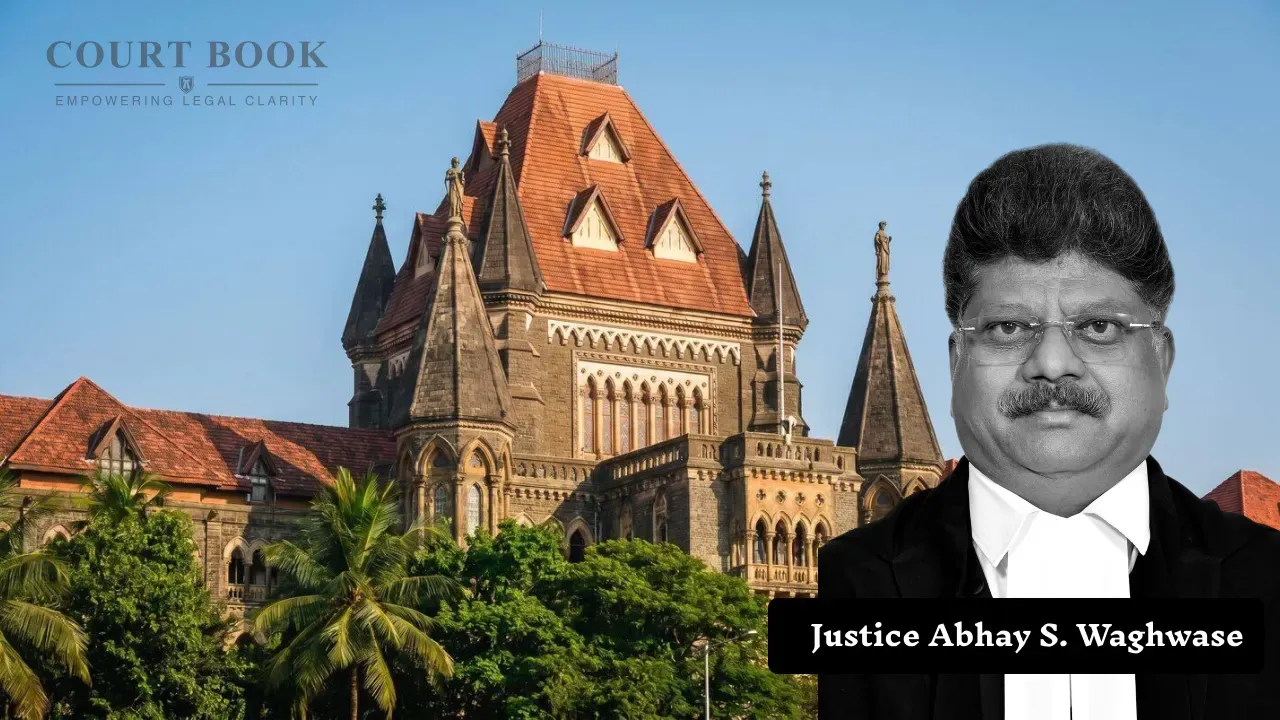
The Bombay High Court, Aurangabad Bench, has upheld a man's conviction for abetment of suicide under Section 306 of the Indian Penal Code (IPC), ruling that his conduct of pouring kerosene on his wife and telling her to die amounted to instigation. Justice Abhay S. Waghwase dismissed the criminal appeal, finding no legal error in the trial court's decision.
Background
The case arose from an incident on July 25, 2013, when Surekha suffered 98% burn injuries and later died during treatment. According to her dying declaration, her husband returned home under the influence of alcohol, abused her and poured kerosene on her after she questioned his behaviour. He then told her to die, following which she set herself on fire in anger.
The trial court convicted the husband under Section 306 IPC in January 2016 but acquitted him of charges under Sections 498-A, 323, 504 and 506 IPC. He challenged the conviction before the High Court, arguing that his wife had ignited herself and that his actions did not amount to abetment of suicide.
Justice Waghwase examined the evidence of the deceased's parents, the medical officer and the Special Executive Magistrate who recorded her dying declaration. The Court noted that the declaration was recorded on the day of the incident and carried medical endorsements confirming her fitness to make a statement.
The Court rejected the argument that the absence of attestation to the deceased's toe impression made the declaration unreliable. It found the statement convincing and voluntary, noting that the doctor had certified her fitness at the beginning and end of the recording.
Referring to the Supreme Court's ruling in S. S. Chheena v. Vijay Kumar Mahajan, the High Court reiterated the legal requirement of a positive act and intention for establishing abetment of suicide.
The Court observed that the husband's conduct went beyond a verbal quarrel. It stated:
“This, in the considered opinion of this Court, is clear instigation and provocation. Even his mens rea is explicit as his intentions are clear, for he himself had poured kerosene on her and suggested her to die.”
The Court held that the husband's active role in creating the circumstances leading to the suicide attracted the legal principles governing abetment under Section 107 IPC.
Finding no perversity or illegality in the trial court's judgment, the Bombay High Court dismissed the criminal appeal and upheld the husband's conviction under Section 306 IPC.
Case Details
Case Title: Shri Vijay s/o Amrit Patil v. State of Maharashtra
Case Number: Criminal Appeal No. 163 of 2016
Judge: Justice Abhay S. Waghwase
Decision Date: October 6, 2026


