

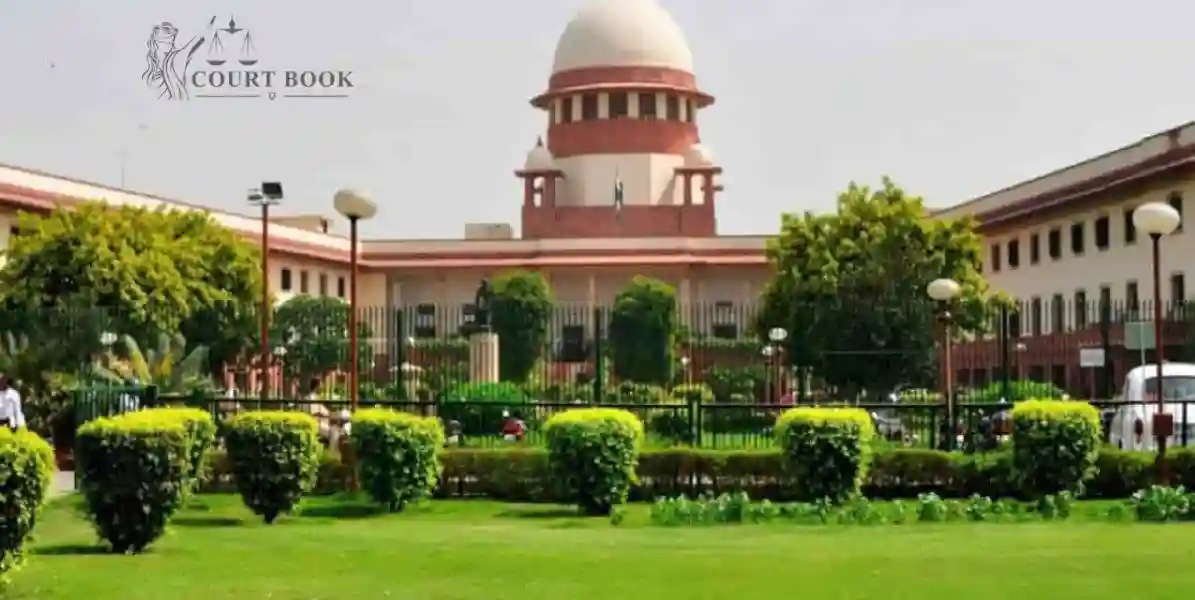
In a decisive ruling from the Supreme Court of India earlier this week, the legal heirs of a former Delhi Transport Corporation conductor won partial relief in their long struggle for retiral dues. The bench, hearing the matter involving late employee Ashok Kumar Dabas, delivered a judgment that balanced strict service rules with statutory social welfare protections.
Read in Hindi
Background
Dabas had joined the corporation back in 1985. Nearly three decades later, citing family circumstances, he submitted a resignation on August 7, 2014, which the corporation accepted a month later. His attempt to withdraw the resignation in April 2015 was rejected. When he later sought his dues pension, gratuity, provident fund and leave encashment the corporation informed him that he only qualified for provident fund since resignation wipes out pension rights.
His original claim was dismissed by the Central Administrative Tribunal, and later by the Delhi High Court. Eventually, his family carried the battle to the Supreme Court after his death.
Court’s Observations
The Supreme Court acknowledged that the employee had served for more than 20 years, which under normal circumstances could trigger pension benefits through voluntary retirement. However, the judges noted a crucial legal distinction:
“On resignation by the employee, his past service stood forfeited. Hence, he will not be entitled to any pension,” the bench observed, referencing Rule 26 of the Central Civil Services (Pension) Rules, 1972.
The Court underscored that resignation and voluntary retirement cannot be blurred together. Re-characterizing the resignation would “render the rule nugatory.”
At one point, the corporation brought up Dabas’ disciplinary record including multiple suspensions and warnings to argue that resignation was not a mere emotional decision. But even that did not become a major factor in the outcome.
Outcome on Gratuity
Where the Court firmly sided with the family was gratuity. The justices held that Section 4 of the Payment of Gratuity Act, 1972 allows gratuity even when the employee resigns, provided five years of continuous service are completed.
The Court stated that, since no exemption notification removed DTC from the gratuity law, “the claim… cannot be denied even if he had resigned from service.”
This means the corporation must pay gratuity for his long service tenure.
During the hearing, DTC’s counsel conceded that leave encashment was payable. The Court recorded this assurance and directed payment to the family.
Decision
The appeal was partly allowed. The Supreme Court ordered:
• No family pension - resignation leads to forfeiture of past service
• Gratuity must be paid under the Payment of Gratuity Act, 1972
• Leave encashment must be released
• Interest @ 6% per annum from the date of resignation until payment
• Compliance required within six weeks
Case Title:- Ashok Kumar Dabas vs. Delhi Transport Corporation
Case Type: Civil Appeal (arising out of SLP (C) No. 4818 of 2023)
Bench: Hon’ble Justice Rajesh Bindal & Hon’ble Justice Manmohan
Download Judgment

