

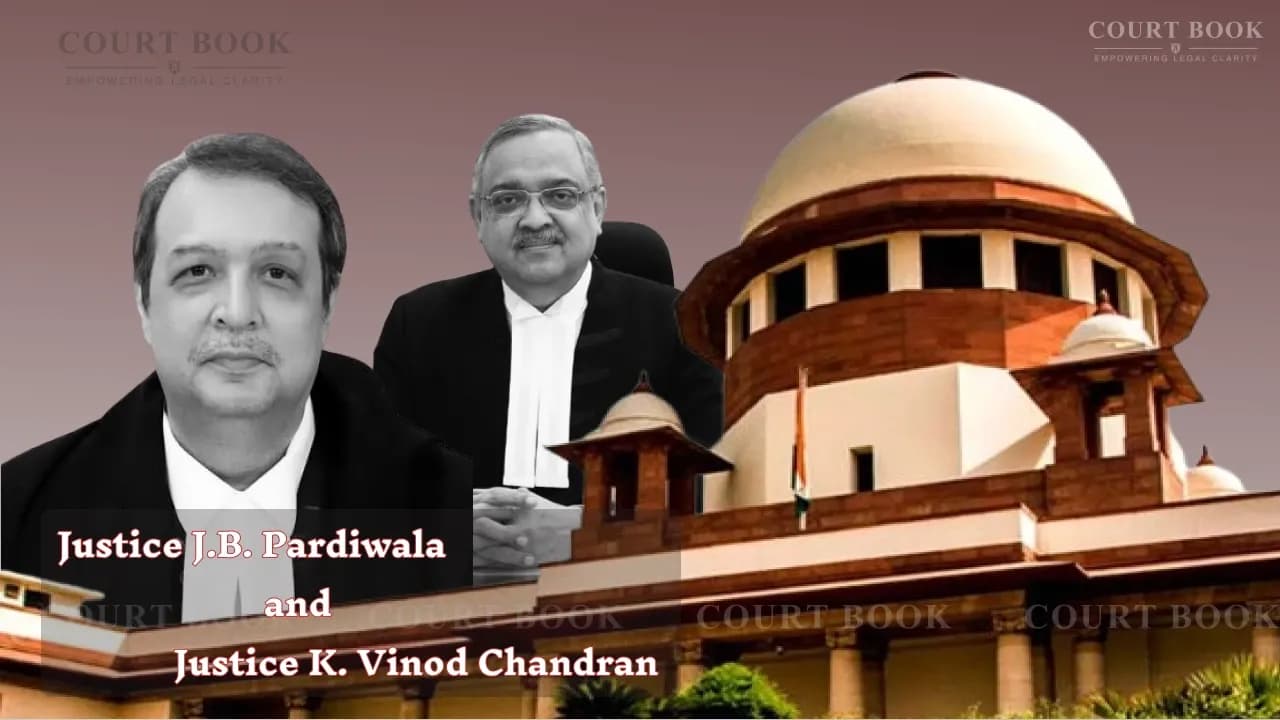
The Supreme Court has set aside land acquisition proceedings in Karnataka after finding serious irregularities in the acquisition of privately owned land for a cooperative housing society. The Court held that the acquisition was vitiated by fraud and an improper exercise of government power, despite the passage of several years and earlier litigation concerning the same acquisition.
Background
The case arose from the acquisition of land in Nelakadiranahalli village, Bengaluru, for a cooperative housing society. The proceedings began with a notification dated November 22, 1988, followed by a declaration under the Land Acquisition Act, 1894, on December 4, 1989.
The landowners challenged the acquisition, alleging that the process involved private intermediaries and lacked a properly approved housing scheme. They also questioned whether the authorities had actually taken physical possession of the land.
A Single Judge of the Karnataka High Court quashed the acquisition after examining the relevant records and finding serious irregularities. However, a Division Bench reversed that decision, relying on the delay in approaching the court and the principle of res judicata, which prevents the same issues from being litigated again in certain circumstances.


The landowners subsequently approached the Supreme Court.
A Bench of Justice J.B. Pardiwala and Justice K. Vinod Chandran examined the agreement between the society and a private intermediary, government records and the findings of the G.V.K. Rao Committee, which had investigated irregularities involving cooperative housing societies.
The Court found that the agreement contemplated facilitating government acquisition of land for the society. It also noted the absence of a properly prepared housing scheme, including an approved layout plan, before the acquisition proceedings began.
The judgment observed:
We are unable to sustain the decision of the Division Bench which failed to look into the compelling contentions regarding fraud and colourable exercise of power and upset a detailed consideration by the learned Single Judge merely on grounds of res judicata and delay; which pale into insignificance, especially in the teeth of the established allegations of illegal acquisitions through fraud and undue influence, as was categorically found by various decisions of this Court in the case of similar Societies, on identical allegations.
The Court concluded that the earlier judgment could not prevent scrutiny of the acquisition when the material circumstances, including the private agreement, had not been properly examined in the earlier proceedings.
The Supreme Court set aside the Division Bench's judgment and restored the Single Judge's order. However, considering the passage of time, it removed the direction to initiate contempt proceedings against government officers.
The Court enhanced the costs payable to each petitioner, or the group of legal representatives of the original petitioners, to ₹50,000.
It further directed that possession be restored to the respective landowners, subject to their refunding any compensation received from the government, without interest. The cooperative society was denied any claim over the acquired land. Where land could not be restored because the owners were unable or unwilling to refund the compensation, the government was directed to auction it under judicial supervision, with the proceeds allocated for victim compensation.
The Court accordingly allowed the appeals.




