

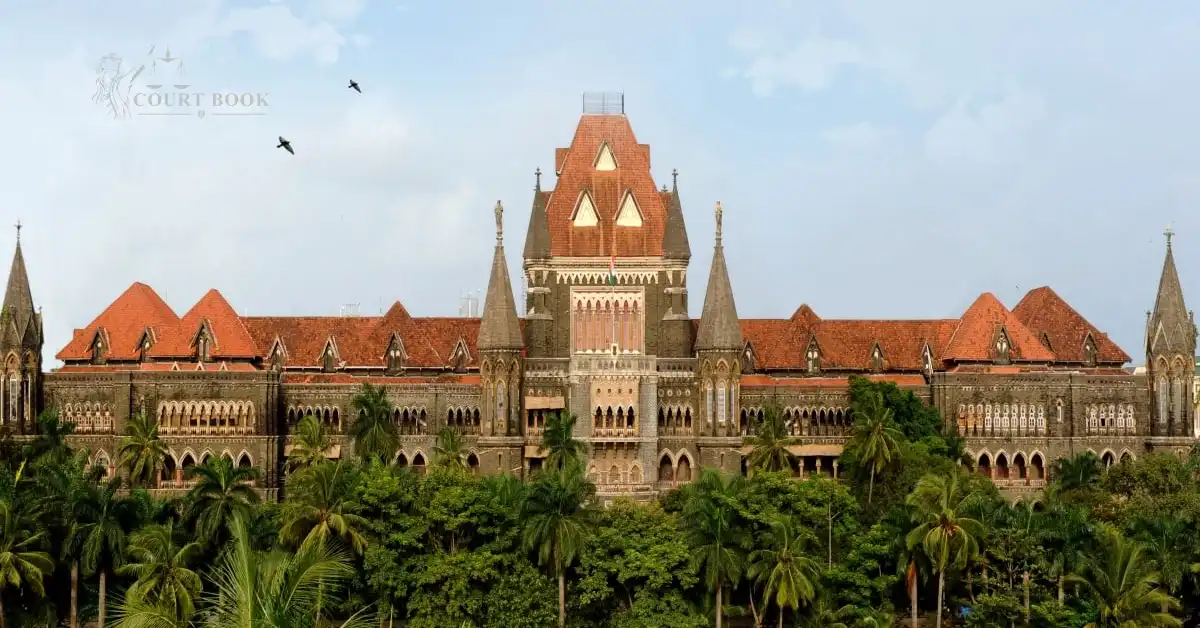
The Bombay High Court has dismissed a Parsi matrimonial suit after finding that the ceremony conducted in Mumbai on November 20, 2010, was not the Ashirvad ceremony required for solemnisation of a Parsi marriage under the Parsi Marriage and Divorce Act, 1936 (PMDA).
Justice Somasekhar Sundaresan pronounced the judgment on September 23, 2026, in Parsi Suit No. 2 of 2018. The suit sought dissolution of the marriage, permanent alimony of Rs. 5 crore and interim maintenance of Rs. 1 lakh per month. The husband had filed Interim Application (L) No. 30398 of 2023 under Order VII Rule 11(d) of the Code of Civil Procedure, seeking rejection of the suit on the ground that it was barred by law.
The parties had entered into a civil marriage in Perth, Western Australia, in August 2010. The wife contended that the November 20, 2010 event in Mumbai was a wedding ceremony within the meaning of Section 3 of the PMDA, while the husband maintained that it was only a wedding reception and did not involve the solemnisation rituals required for a Parsi marriage. The question of whether that event was an Ashirvad ceremony became central to the Bombay High Court's jurisdiction over the matrimonial proceedings.
The parties had agreed to have the preliminary factual question examined with the assistance of Parsi delegates. A video of the ceremony, provided by the wife, was examined. The delegates unanimously concluded that the event was not a complete Parsi marriage ceremony but a blessing or Tandoorasti ceremony. They also noted that signatures of the parties and witnesses, which they regarded as an integral part of the marriage ceremony in India, were absent from the video.
Section 3 of the PMDA provides that a Parsi marriage must be solemnised according to the Parsi form of ceremony called Ashirvad, performed by a priest in the presence of two Parsi witnesses other than the priest. The Court therefore treated the nature of the November 2010 ceremony as a jurisdictional fact.
The Court explained why it accepted the delegates' finding:
“After examining the video, the jury has arrived at a unanimous decision that the November 2010 Event was not an Ashirvad ceremony but was a Tandoorasti ceremony. In the absence of any specific differentiation being made in the PMDA or in case law shown by Ms. Irani about how a materially different standard should be applied if one of the spouses were to be Irani Zoroastrian, there is no basis for the Court to second-guess the answer given by the jury.”
Justice Sundaresan noted that the parties resided in Perth and that the Mumbai ceremony was the connecting factor relied upon to establish jurisdiction in Bombay. Once the event was found not to constitute the required Parsi marriage ceremony, that jurisdictional fact was absent.
The Court also considered the husband's plea of res judicata, which is the principle preventing a matter already conclusively decided from being reopened between the same parties. The Court did not accept that objection because the Australian proceedings had noticed the Indian proceedings but had left their merits outside the scope of the Australian adjudication.
The Court held that the absence of the necessary jurisdictional fact barred the suit from proceeding to trial. It therefore allowed Interim Application (L) No. 30398 of 2023 and dismissed Parsi Suit No. 2 of 2018.
The Court further held that, given the peculiar circumstances and the conduct of the parties in their divorce proceedings in India and Australia, costs need not follow the event. It also made clear that the wife's financial claims were not adjudicated in the judgment.


