

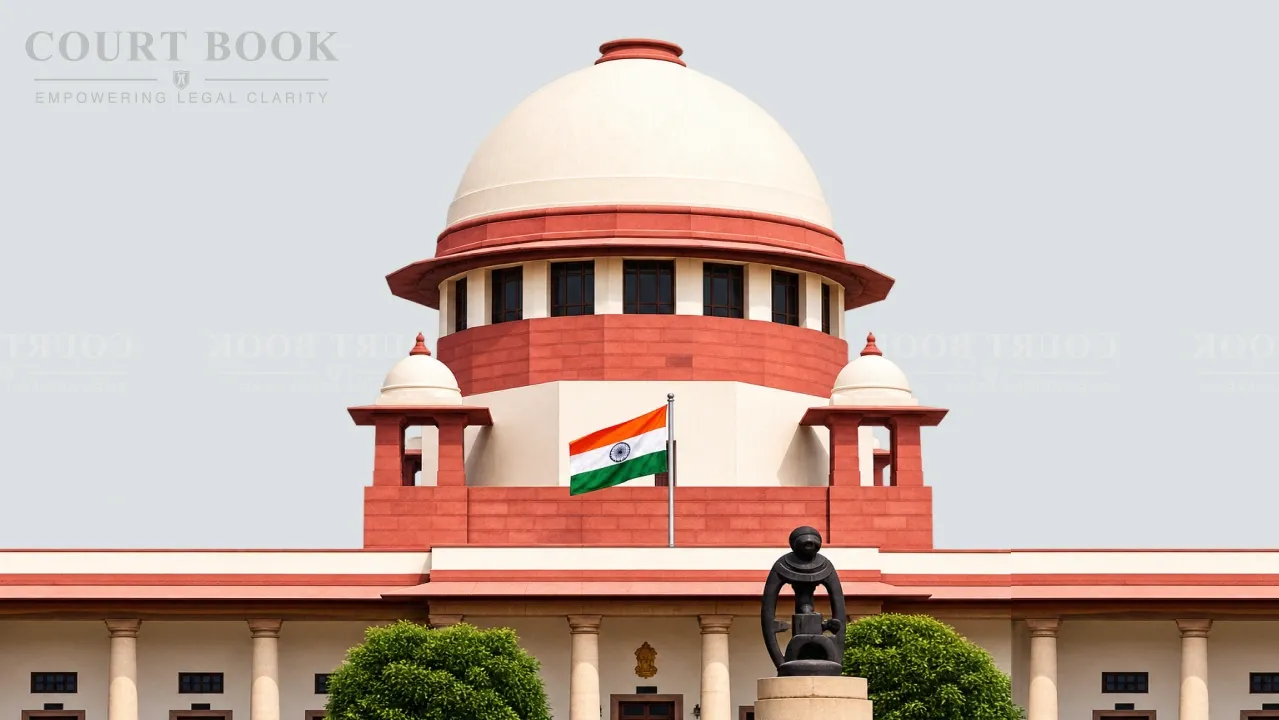
The Supreme Court on October 1, 2026 acquitted Santosh Gurung, who was serving a life sentence for the alleged rape and murder of his minor niece in Sikkim. A Bench of Justice Ujjal Bhuyan and Justice Atul S. Chandurkar held that the prosecution's chain of circumstances was broken at several places and could not sustain a conviction.
Background
According to the prosecution, on November 6, 2013 Gurung's mother asked him to buy vegetables. He wanted to take his niece along, but his mother refused. The prosecution said he left with the child anyway. When neither returned, a missing report was lodged at Rongli Police Station on November 12, 2013.
Gurung was later traced at Siliguri. An FIR dated May 13, 2014 stated that, while being brought back, he told the police he had raped the girl and strangled her. He was tried under Sections 376(2)(i), 302 and 201 of the Indian Penal Code and Sections 4 and 6 of the POCSO Act. The Sessions Court convicted him on April 20, 2016 and sentenced him to life imprisonment. The High Court of Sikkim upheld the decision.
There was no eyewitness, so the case rested on circumstantial evidence. The Court examined each circumstance separately.
On the "last seen" theory, it noted that the victim's grandmother could not say whether the two had left together. Two villagers had also visited the house that day. The Head Constable and the Investigating Officer both accepted that nobody saw the accused take the child. The Court added that the bones were found about six months later, a long gap in which others could have come into the picture.
The recovery of articles, made on the accused's disclosure, came from a spot that people visited to collect fodder and that was easily visible. The Court said such a recovery must be examined with care. The DNA report showed the bones were of male origin, while the victim was female, and they did not match her mother's or sister's samples. The forensic laboratory could not say whether the blood on a brown shawl was human or animal, and no human remains were found in the soil sample. The shawl itself could not be linked to the case.
On the accused's statement under Section 313 of the Code of Criminal Procedure, the Court found no failure to explain any incriminating circumstance. It said such a statement cannot be used to fill gaps left by the prosecution. Summing up, the Bench said:
"On an overall consideration of all the circumstances relied upon by the prosecution, we find that the evidence led by the prosecution is woefully short of pointing to the guilt of the appellant. The witnesses examined were not sure as to whether the appellant was last seen with the victim as they had their own doubts in that regard."
The Court observed that the victim had met an unfortunate end, but said guilt had not been established beyond reasonable doubt. It set aside the Sessions Court and High Court judgments, acquitted Gurung and ordered his release forthwith, unless he is required in any other case.
Case Details:
Case Title: Santosh Gurung v. State of Sikkim
Case Number: Criminal Appeal No. 107 of 2018
Judges: Justice Ujjal Bhuyan and Justice Atul S. Chandurkar
Decision Date: October 1, 2026


