

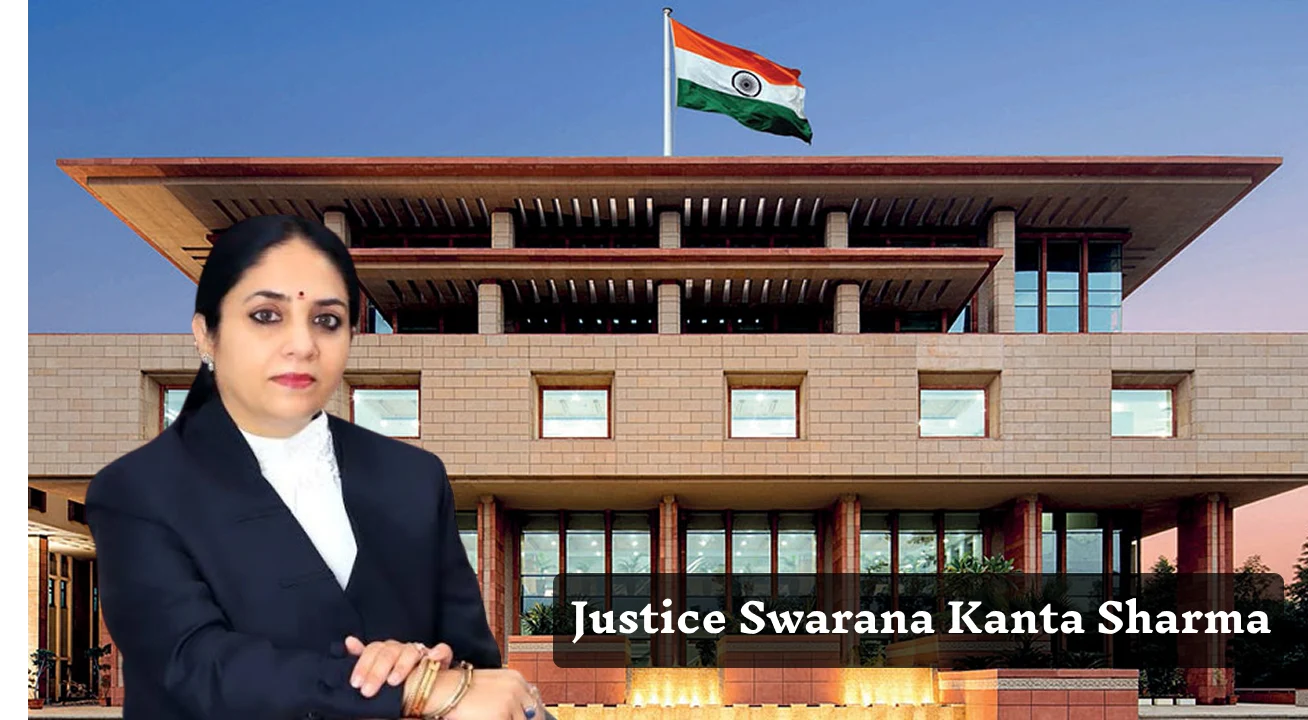
The Delhi High Court has set aside criminal defamation proceedings initiated against businessman Samir Kumaar Modi, holding that a newspaper's reproduction of allegations contained in a police complaint does not automatically amount to defamation.
Justice Swarana Kanta Sharma ruled that the statements complained of were part of a police complaint made to a lawful authority and were therefore protected under Exception 8 to Section 499 of the Indian Penal Code (IPC).
Background of the Case
The dispute arose after Samir Modi lodged a police complaint in May 2024 regarding an alleged incident at a board meeting of Godfrey Phillips India Ltd. Based on that complaint, an FIR was registered by Delhi Police.
Subsequently, Nirmala Bagri and Atul Kumar Gupta filed separate criminal defamation complaints against Modi. Their grievance stemmed from media reports that quoted a statement from the police complaint, including an allegation that "other present board members were consenting parties" to the alleged assault.
A Magistrate had initially dismissed the complaints, finding no prima facie case of defamation. However, a Sessions Court later reversed that decision and directed issuance of summons to Modi, leading him to approach the High Court.
The High Court closely examined the newspaper articles relied upon by the complainants. It noted that the articles contained two distinct parts: statements attributed directly to Modi and portions reproduced from his police complaint.
According to the Court, the respondents' complaint was based only on a single sentence reproduced from the police complaint and not on any separate statement allegedly made by Modi to journalists.
Justice Sharma observed that the impugned statement was "nothing but a reproduction of the accusation made by the petitioner to the police authorities."
The Court further emphasized that Exception 8 to Section 499 IPC protects accusations made in good faith to a lawful authority for seeking legal action. It also noted that courts can consider such statutory exceptions even at the stage of summoning if the material on record clearly attracts the protection.
The High Court cautioned that permitting defamation cases merely because allegations in a police complaint are reported by the media could create a situation where every accused person starts separate defamation proceedings against complainants.
"The veracity of such allegations... are matters that are required to be investigated by the police during investigation," the Court observed, adding that such issues cannot be pre-judged through defamation proceedings.
The Court also noted that allowing such prosecutions could lead to parallel criminal proceedings arising from the same incident.
Allowing the petitions, the Delhi High Court held that the essential ingredients of criminal defamation were not made out in the facts of the case.
The Court observed that the allegedly defamatory line was a verbatim reproduction of a statement contained in Modi's police complaint, which later resulted in registration of an FIR and investigation by law enforcement authorities. Therefore, the protection available under Exception 8 to Section 499 IPC applied.
As a result, the Court set aside the orders directing issuance of summons and quashed all consequential proceedings against Samir Modi.
Case Details
Case Title: Samir Kumaar Modi v. Nirmala Bagri & Connected Matter
Case Number: CRL.M.C. 6012/2025 and CRL.M.C. 6013/2025
Judge: Justice Swarana Kanta Sharma
Decision Date: June 1, 2026


