

The Bombay High Court has dismissed a writ petition filed by a former school teacher challenging the acceptance of her resignation, holding that the school management acted lawfully in accepting the resignation before she attempted to withdraw it. The Court also found that the teacher, who had been appointed on a purely temporary basis, could not claim the statutory protections available in the manner argued before the Court.
The petitioner, Smt. Susheela Srinivasan, was appointed as a teacher in a private school managed by Vidya Prasarak Mandal. Her appointment was initially for less than a month and was later extended on a purely temporary basis until April 30, 1995.
According to the petitioner, she was called to the Principal's office in March 1995 and was pressured into resigning. She subsequently sent a resignation letter by post on March 8, 1995. Before the management formally informed her that the resignation had been accepted, she claimed to have withdrawn it through another letter dated March 12, 1995.
When the school informed her on March 20, 1995 that her resignation had already been accepted, she challenged the decision before the School Tribunal, alleging that her services had been unlawfully terminated. After the Tribunal rejected her appeal, she approached the Bombay High Court.
The petitioner's counsel argued that the resignation had not been accepted by the competent authority before she withdrew it. It was also contended that the resignation did not satisfy the requirements prescribed under the Maharashtra Employees of Private Schools (Conditions of Service) Regulation Act, 1977, and the related Rules, making its acceptance invalid.
The school management opposed the petition, submitting that the teacher was employed only on a temporary basis and not against a permanent vacancy. It argued that the School Committee had already resolved to accept her resignation before the withdrawal letter was issued. The management also pointed out that the school was facing academic difficulties due to her absence during the examination period.
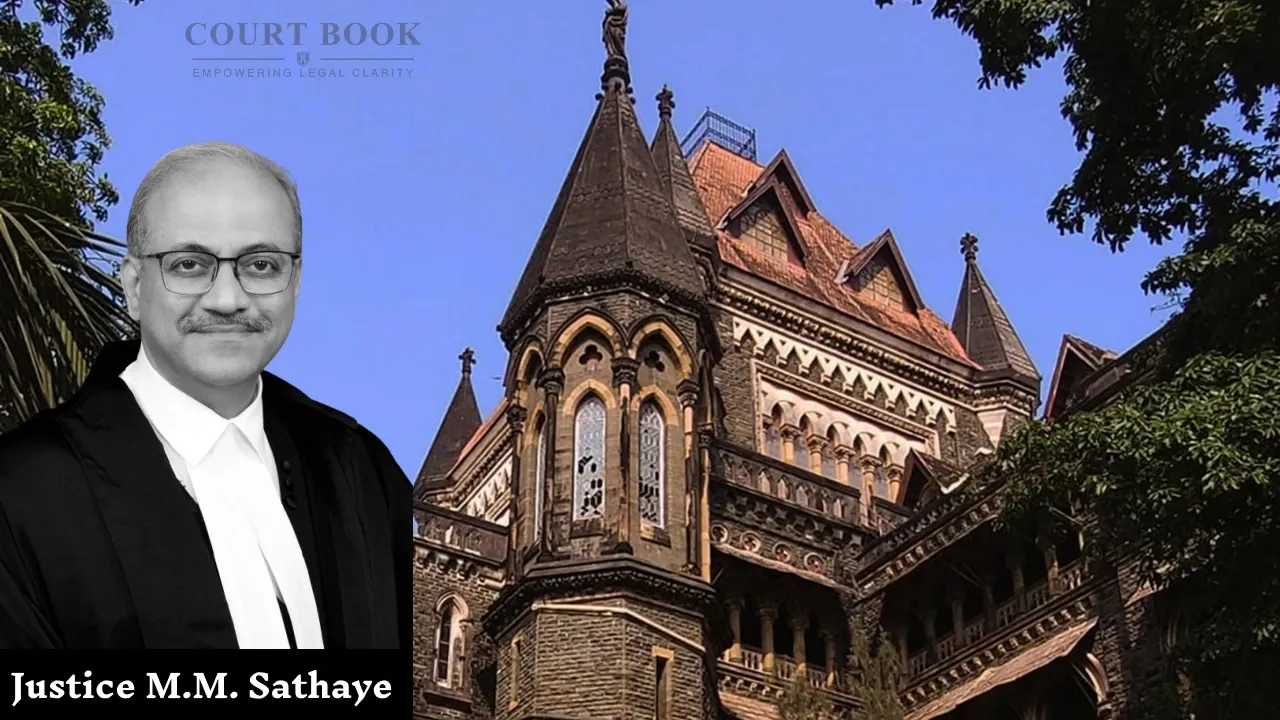
Justice M.M. Sathaye examined the sequence of events and found that the petitioner's appointment was purely temporary and dependent upon the school's workload.
The Court observed that the resignation letter sent by the petitioner several days after the alleged pressure to resign indicated a conscious decision rather than an immediate act of coercion.
Rejecting the argument regarding withdrawal of resignation, the Court noted that the School Committee had already decided to accept the resignation before the withdrawal letter was issued.
The bench observed:
“The decision to accept the resignation letter was already taken before the Petitioner issued letter withdrawing resignation.”
The Court also clarified that Section 7 of the Maharashtra Employees of Private Schools Act primarily places obligations upon the employee regarding the manner of submitting a resignation.
Referring to a recent Supreme Court ruling on the same statutory provisions, the Court said that an employee who fails to follow the prescribed procedure cannot later invoke those safeguards.
The bench further observed:
“The employee forfeits the protection if he or she fails to adhere to the prescribed procedure.”
On the issue of the statutory notice period, the Court held that Rule 40 does not automatically invalidate a resignation accepted before completion of the notice period.
According to the Court, the consequence of such acceptance primarily affects the grant payable to the school and does not make the acceptance of resignation illegal by itself.
Finding no legal error in the School Tribunal's order, the High Court held that the Tribunal had correctly concluded that the petitioner's exit from service was not an unlawful termination.
The Court also noted that the management had acted in the interest of students, particularly when examinations were approaching and teaching work had been affected by the petitioner's absence.
Accordingly, the Bombay High Court dismissed the writ petition and discharged the rule without any order as to costs.
Case Title: Smt. Susheela Srinivasan v. Vidya Prasarak Mandal and Others
Case Number: Writ Petition No. 3028 of 2003
Judge: Justice M.M. Sathaye
Decision Date: June 24, 2026


