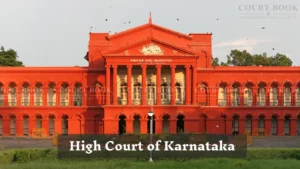
The Karnataka High Court has dismissed a writ appeal challenging the continuance of Dr. S. Vidyashankar as Vice-Chancellor of Visvesvaraya Technological University (VTU), Belagavi, holding that successive proceedings raising substantially the same challenge could not be used as a continuing platform to unsettle the appointment.
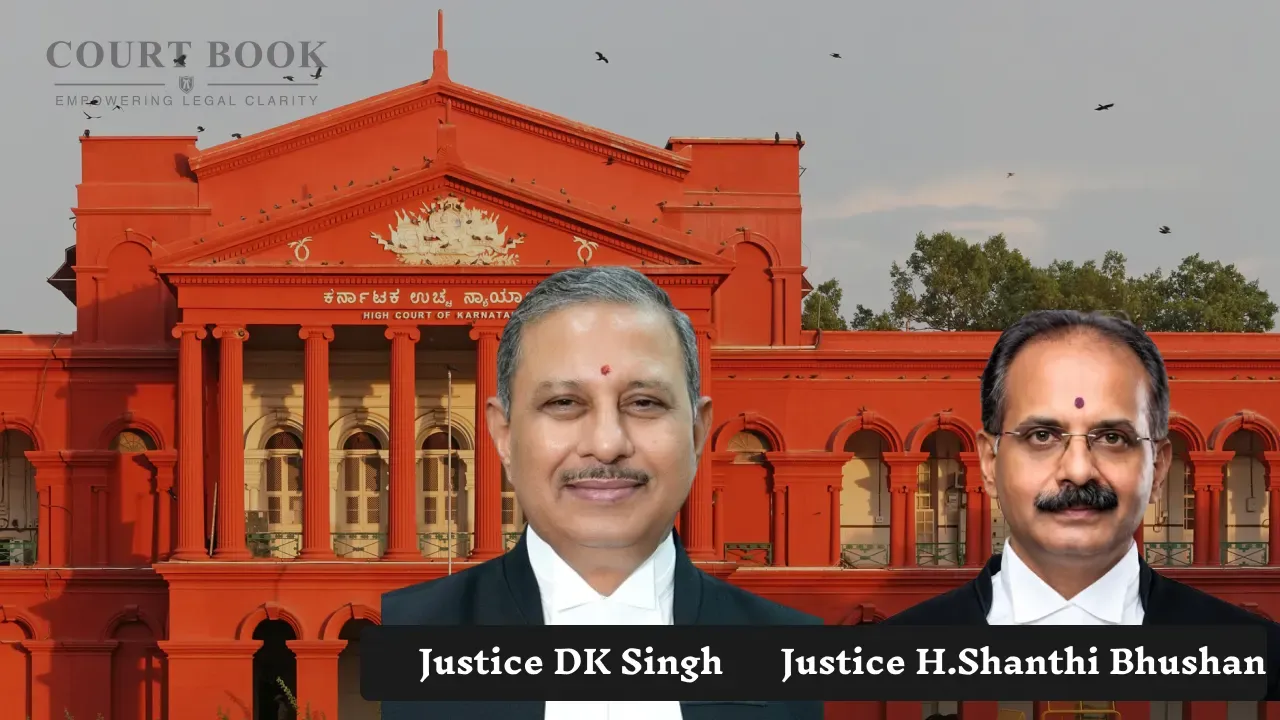
A Division Bench of Justice D.K. Singh and Justice H. Shanthi Bhushan delivered the judgment on September 10, 2026.
Background
YOGESH. B had challenged the appointment of Dr. Vidyashankar, questioning the constitution of the Search-cum-Selection Committee, compliance with the UGC Regulations, 2018, and the Vice-Chancellor’s academic credentials.
The challenge came nearly three years after the original appointment dated September 29, 2022. Earlier proceedings concerning the same appointment had been dismissed by a Division Bench in November 2023, and the Supreme Court, in April 2024, declined to interfere with that decision.
During the later proceedings, the Chancellor extended Dr. Vidyashankar’s tenure through a September 3, 2025 notification. The Single Judge dismissed the writ petition as infructuous since the subsequent notification had not been separately challenged, while reserving liberty to the petitioners to challenge the subsequent notification, if so advised.
The Division Bench said the record showed substantially similar challenges being raised through successive proceedings.
"The office of the Vice-Chancellor is not merely an office of authority; it is an office of trust," the Court observed, adding that constitutional jurisdiction could not repeatedly be invoked to unsettle an appointment without a clear legal infirmity.
The Bench further held that a writ of quo warranto is concerned with whether a person is legally entitled to occupy a public office, rather than whether another candidate would have been more suitable.
“There is equally no material of such a nature as would establish that the appointment was made by an authority lacking jurisdiction or in patent violation of a mandatory statutory requirement,” the Bench observed.
The High Court held that there was no perversity, jurisdictional error or infirmity in the Single Judge’s order warranting appellate interference. The liberty granted to challenge the subsequent notification was held to adequately protect any legally sustainable grievance arising from that order.
The writ appeal was accordingly dismissed. The pending interlocutory applications were also disposed of.
Case Title: YOGESH. B v. State of Karnataka & Others
Case Number: Writ Appeal No. 10 of 2026 (S-RES)
Judges: Justice D.K. Singh and Justice H. Shanthi Bhushan
Decision Date: September 10, 2026