The Karnataka High Court has allowed a mother to change her minor daughter’s name in the birth certificate to reflect the maternal family identity, holding that such a change does not affect the child’s legal rights. The court also directed authorities to issue a fresh birth certificate after making the necessary corrections.
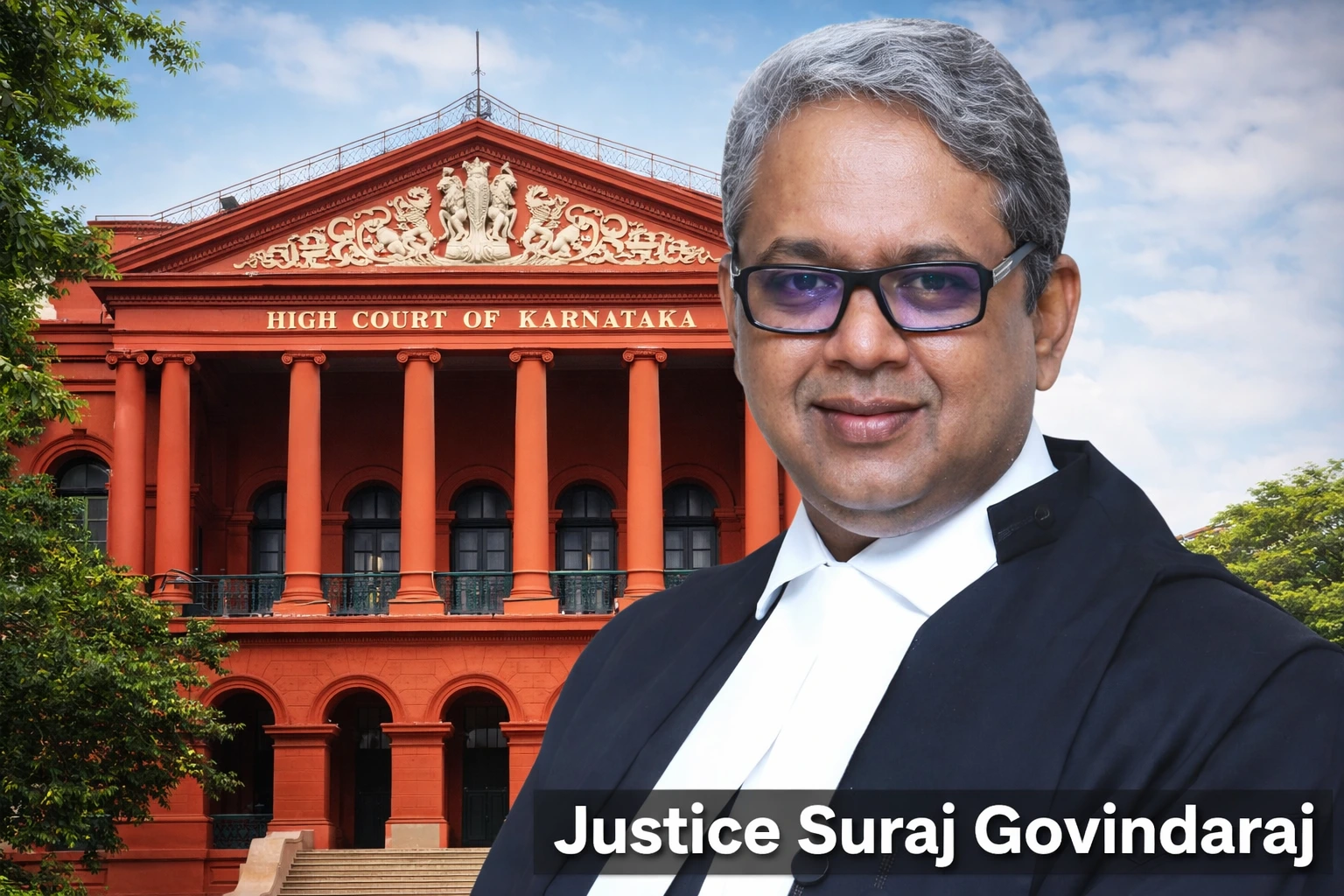
Justice Suraj Govindaraj passed the order while hearing a writ petition filed by the child’s mother after municipal authorities declined to modify the entry in the birth record.
Background of the Case
The case involved an eight-year-old girl born in Bengaluru in 2017 from a live-in relationship between her parents. After the child’s birth, a certificate was issued showing the father’s name based on the information provided at the time of registration.
However, the relationship later ended. According to the petition, the father left for Nepal and stopped communicating with the mother and child. Since then, he has not participated in the child’s upbringing or contributed to her welfare.
The mother, who is the sole caregiver, approached the registrar seeking to modify the child’s name by adding a derivative of the maternal name and the family surname “Haokip.” She submitted documents including Aadhaar, passport, a school certificate, and an affidavit stating the change would not affect any third-party rights.
Municipal authorities refused the request, stating they lacked the power to make such corrections in a birth certificate. This refusal led the mother to approach the High Court.
The High Court examined provisions of the Registration of Births and Deaths Act, 1969, particularly Section 22, which allows corrections in birth and death registers when entries are erroneous in form or substance.
The court noted that the registrar had interpreted the law too narrowly.
“The endorsement stating that the authority has no power to carry out such correction is based on an erroneous interpretation of the Act,” the bench observed.
Justice Govindaraj said the provision is broad enough to allow corrections that reflect the child’s identity and real circumstances, especially when supported by documents and an affidavit.
A key issue before the court was whether adding the maternal surname would affect the legal rights of the father or the child.
The judge clarified that the father’s name would continue to remain in the birth certificate, meaning the biological relationship remains officially recorded.
“A surname is only a social identifier and does not create or extinguish legal rights,” the court noted.
The court further said rights relating to inheritance, succession, or maintenance arise from the parent-child relationship, not from the surname the child carries.
The High Court emphasized that the welfare of the child must be the primary consideration in such cases.
The bench pointed out that the child is being raised entirely by the mother and the maternal family. Because of this, using the maternal surname better reflects the child’s social and family identity.
“The child’s identity, dignity and sense of belonging to a family are integral aspects of the right to life under Article 21 of the Constitution,” the court observed.
The court also noted that the difference between the name used in school records and the birth certificate was creating practical difficulties for the child and the mother.
Allowing the writ petition, the High Court directed the Chief Registrar of Births and Deaths in Bengaluru to change the child’s name in the birth certificate to include the maternal derivative and family surname.
The authorities were ordered to issue a fresh birth certificate after collecting the prescribed fee and receiving an indemnity deed from the mother. The entire process must be completed within four weeks after the required documents are submitted.
The court clarified that the change will not affect the child’s biological parentage or her legal rights against the father, including inheritance, succession, and maintenance.
Case Title: X vs Chief Registrar of Births and Deaths & Another
Case Number: Writ Petition No. 33465 of 2025 (LB-BMP)
Date of Judgment: 17 February 2026









-300x169.webp)