The Delhi High Court refused to interfere with findings of lower courts in a long-running property dispute, dismissing a petition that alleged cheating and criminal breach of trust involving over ₹4 crore in cash payments.
Background of the Case
The case, titled N.G. Dev vs State (NCT of Delhi) & Ors., arose from a complaint filed by the petitioner claiming he was induced into purchasing a property in East Delhi around 2008.
According to the complaint, the accused persons allegedly persuaded him to invest ₹6 crore in a property deal, assuring future gains. The petitioner claimed he paid approximately ₹4.39 crore in cash in multiple installments without executing a formal agreement such as a Memorandum of Understanding (MOU).
Read also:- Delhi High Court Refuses Recusal Plea in CBI Excise Case, Says ‘Apprehension of Bias Cannot Be Imagined’
He later accused the respondents of cheating and misappropriating the money, leading to criminal proceedings under provisions relating to cheating and conspiracy.
The trial court dismissed the complaint in 2015, noting a lack of proof regarding the alleged payments and absence of supporting documents.
This decision was upheld by the Sessions Court in revision. The revisional court found several inconsistencies, including:
• No written agreement between parties
• Payments allegedly made entirely in cash
• Lack of credible proof showing the source and transfer of funds
• Absence of the actual property owner in the transaction
The court also found it improbable that such a large amount would be paid without
Before the High Court, the petitioner argued that both lower courts had ignored key evidence, including witness statements and receipts. He claimed there was a relationship of trust with the respondents, which explained the absence of formal documentation.
On the other hand, the respondents contended that the petition was not maintainable, as it effectively amounted to a second revision after dismissal by the Sessions Court.
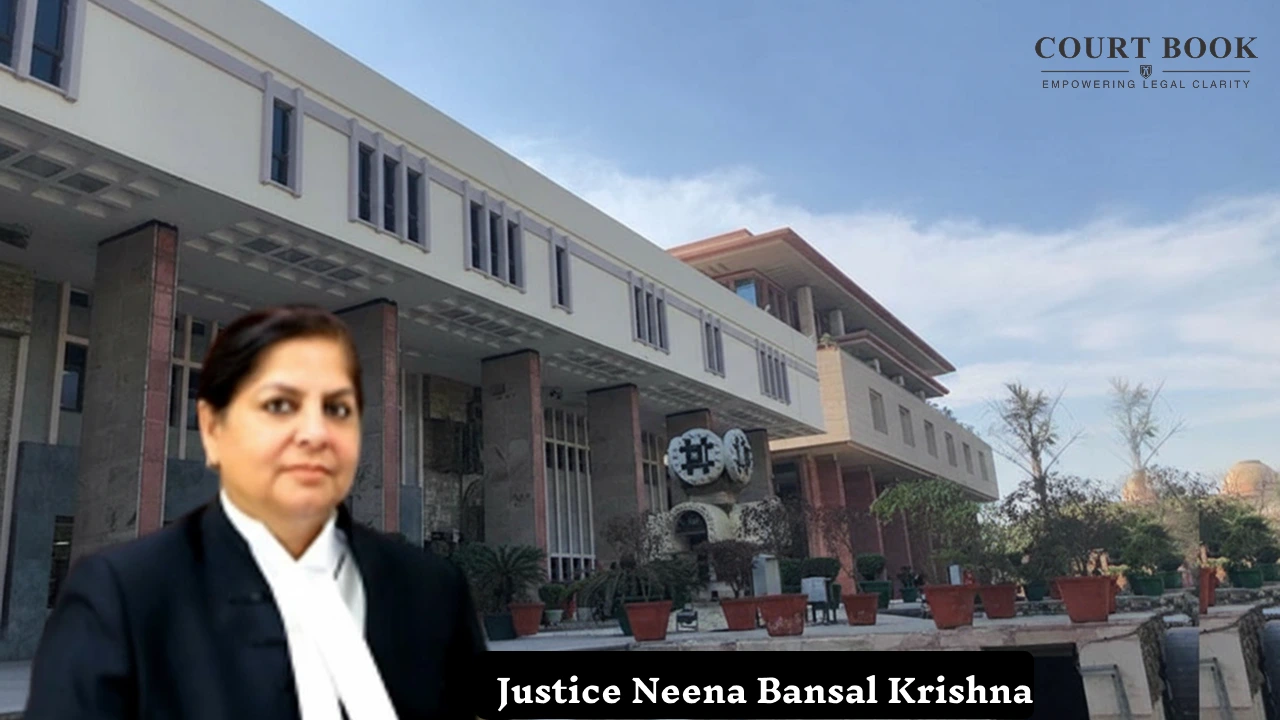
Justice Neena Bansal Krishna agreed with the respondents on maintainability. The court noted that powers under Section 482 of the Criminal Procedure Code cannot be used as a substitute for a second revision.
“The petition essentially seeks re-appreciation of facts already examined by two courts,” the bench observed.
On merits, the court found the petitioner’s case riddled with inconsistencies. It highlighted that:
• No agreement to sell was executed
• The alleged transaction did not involve the actual property owner
• There was no documentary evidence supporting either the source or payment of funds
• The receipts relied upon were unreliable and executed on plain paper
Read also:- Supreme Court Revokes Probate for Suppressing Heirs, Restores District Court Order
The court also questioned the logic of making large cash payments without any legal safeguards.
“It is incomprehensible how such a transaction could take place without any documentation or verification,” the court remarked.
Concluding that there was no ground to interfere, the High Court dismissed the petition, holding that it lacked merit and did not justify exercise of inherent powers.
Case Title: N.G. Dev vs State (NCT of Delhi) & Ors.
Case Number: CRL.M.C. 1236/2017
Judge: Neena Bansal Krishna
Decision Date: 20 April 2026
Download Judgment





-300x169.webp)

 Act (UAPA)-300x169.webp)