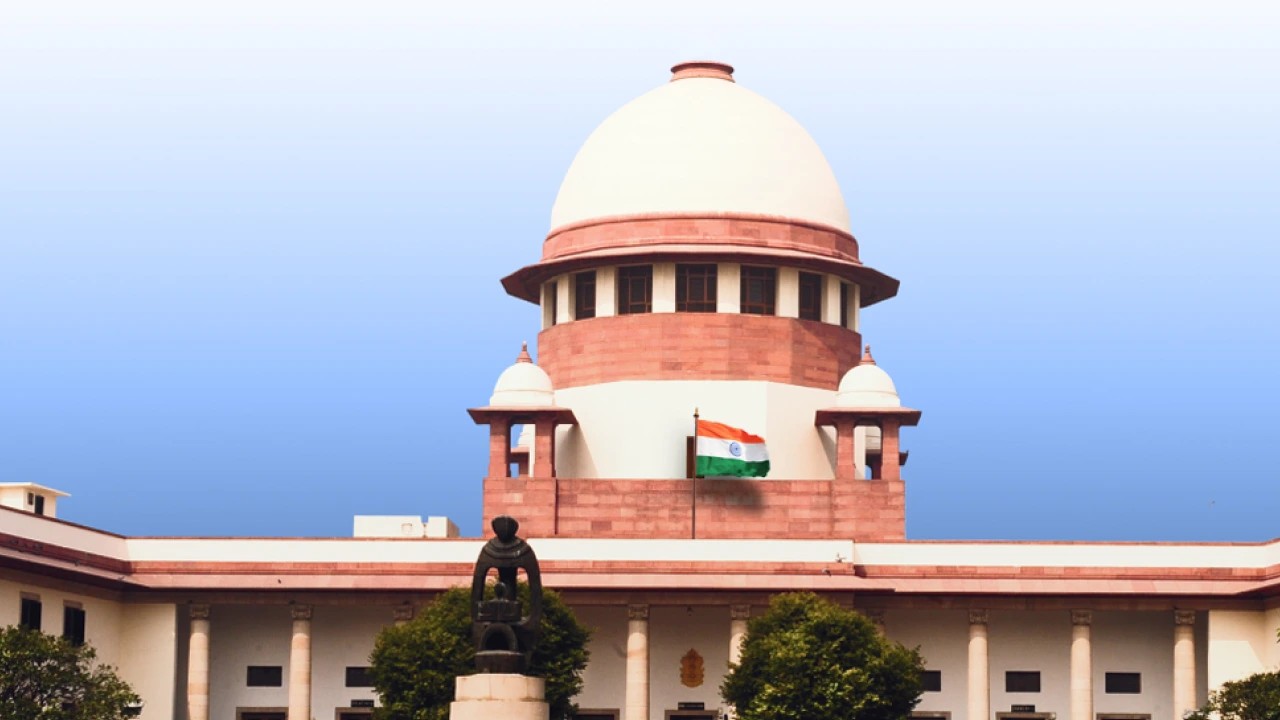
The Supreme Court of India has taken a significant step towards strengthening the rights of prisoners with disabilities by entrusting a High-Powered Committee with the task of ensuring nationwide compliance with its earlier directions. The move aims to bring uniformity, accountability, and effective implementation of disability safeguards across prison systems.
Background of the Case
The case arose from a writ petition filed by Sathyan Naravoor, raising concerns about the treatment, accessibility, and rights of prisoners with disabilities in Indian prisons. The petition highlighted gaps in the enforcement of the Rights of Persons with Disabilities Act, 2016 and the lack of institutional mechanisms to uphold constitutional guarantees.
Earlier, the Supreme Court had already laid down a comprehensive framework in L. Muruganantham v. State of Tamil Nadu, mandating measures such as identification of disabled inmates, accessible infrastructure, assistive devices, and staff sensitisation.
However, the petitioner sought additional directions to ensure these safeguards were effectively implemented across all States and Union Territories.
What Happened During the Hearing
When the matter was taken up on April 8, 2026, the Court noted that only a limited number of States and Union Territories had filed compliance reports.
After hearing submissions from all sides, the Bench observed that fragmented monitoring across jurisdictions would not ensure meaningful implementation. It emphasised the need for a coordinated and expert-driven mechanism to address systemic issues relating to prisoners with disabilities.
The Court then considered the role of a High-Powered Committee earlier constituted in Suhas Chakma v. Union of India, which was already examining prison-related reforms.
Court’s Key Observation
The Bench comprising Justice Vikram Nath and Justice Sandeep Mehta underscored that disability rights must not be diluted within custodial settings.
It stressed that a centralised oversight mechanism would:
• Ensure uniform standards across States
• Provide continuous monitoring and accountability
• Enable expert-driven solutions tailored to ground realities
The Court highlighted that incarceration cannot override fundamental rights, noting that protections under Articles 14 and 21 must remain intact even within prisons.
Court’s Decision / Final Order
The Supreme Court issued a series of directions to streamline implementation:
• The High-Powered Committee will now oversee compliance with disability rights in prisons nationwide
• All States and Union Territories must submit compliance affidavits to the Committee within six weeks
• Senior officials from the Union and State governments must participate in the Committee’s proceedings
• The Committee will prepare a comprehensive action plan for assistive devices, accessibility, and institutional reforms
• It may consult experts, civil society organisations, and stakeholders
• A consolidated status report must be submitted to the Supreme Court within four months
Additionally, the Court directed that prisoners with disabilities must receive humane treatment, improved accessibility, and meaningful participation in prison life.
The matter is scheduled for further hearing on September 1, 2026.
Case Details:
Case Title: Sathyan Naravoor v. Union of India & Ors.
Case Number: Writ Petition (Civil) No. 182 of 2025
Court: Supreme Court of India
Judge: Justice Vikram Nath; Justice Sandeep Mehta
Date: April 21, 2026
Download Order



 chief. Eknath Shinde – Shiv Sena leader-300x169.webp)
-300x169.webp)