

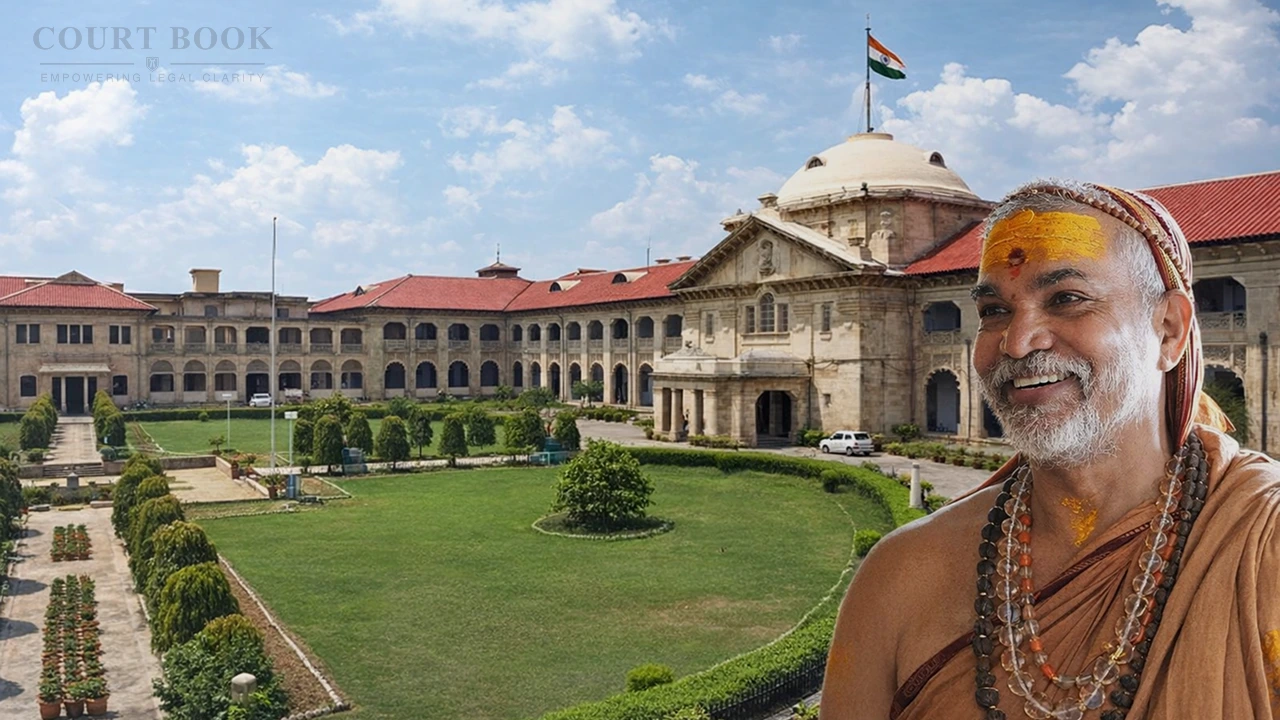
In a significant order, the Allahabad High Court granted anticipatory bail to Swami Avimukteshwaranand Saraswati and another accused in a sensitive case involving allegations under the POCSO Act. The Court, after hearing extensive arguments, noted several inconsistencies in the prosecution’s version and procedural concerns surrounding the complaint.
Background of the Case
The anticipatory bail plea arose from FIR No. 58 of 2026 registered at Jhunsi Police Station, Prayagraj, under provisions of the Bharatiya Nyaya Sanhita and the Protection of Children from Sexual Offences (POCSO) Act.
The FIR was lodged following a direction by the Special Judge (POCSO), based on an application filed by the informant claiming to be the guardian of the victims. The allegations involved claims of sexual assault on minor boys at religious gatherings, including the Magh Mela and Mahakumbh period.
Read also:- J&K&L High Court Slams Safety Lapses, Orders Compensation for 3 Children’s Deaths in Hydel Tank
Senior counsel appearing for the applicants argued that the case was fabricated and highlighted delays in lodging the complaint. It was submitted that the victims were never students of the applicant’s ashram and that their statements contained material contradictions regarding dates and locations of the alleged incidents.
The defence also pointed to the absence of medical evidence indicating assault and questioned the credibility of the informant, alleging ulterior motives.
The State opposed the plea, calling the allegations “serious and heinous” and argued that the applicants, being influential figures, could impact the investigation.
The informant’s counsel also submitted that custodial interrogation was necessary and expressed apprehension that the accused might influence witnesses or tamper with evidence.
Read also:- Supreme Court Overturns High Court Order for Retrial in 2007 Shooting Case
The Court first addressed the maintainability of the plea, noting that although applicants generally approach the Sessions Court first, the High Court can be directly approached in “special circumstances.” It held that such circumstances existed in this case.
On the merits, the Court flagged several aspects:
• A delay of six days in reporting the alleged offence despite prior contact with authorities.
• Contradictions between the FIR and victims’ statements regarding time and place of occurrence.
• The unusual conduct of victims confiding in a third person rather than their parents.
• Lack of conclusive medical evidence, with no external injuries found.
• Concerns over victims being in the constant company of the informant before being handed to guardians.
The Court also noted that the presumption under Section 29 of the POCSO Act does not automatically apply at the stage of anticipatory bail before charges are framed.
Read also:- Bombay High Court Upholds Railway Shoe-Shine Tender Policy, Rejects Monopoly Claim by Workers’ Society
“The facts are required to be looked into with greater care and caution,” the bench observed while assessing the material placed before it.
After considering the overall factual matrix, the Court held that a case for anticipatory bail was made out without expressing any opinion on the merits of the allegations.
The anticipatory bail application was allowed. The applicants were directed to be released on bail in the event of arrest upon furnishing a personal bond of ₹50,000 with two sureties each.
The Court imposed conditions, including cooperation with investigation, non-interference with witnesses, restriction on leaving India without permission, and a direction to all parties not to give media interviews during the pendency of the case.
Case Details:
Case Title: Swami Avimukteshwaranand Saraswati vs State of U.P. & Others
Case Number: Criminal Misc. Anticipatory Bail Application No. 2198 of 2026
Judge: Justice Jitendra Kumar Sinha
Decision Date: 25 March 2026
Download Order

