The Delhi High Court has upheld the conviction and sentence of a man in a child sexual offence case, ruling that minor inconsistencies in testimony do not undermine an otherwise credible prosecution case. The Court dismissed the appeal filed against the trial court’s judgment.
Background of the Case
The appellant, Ram Murat, had challenged his conviction under the Indian Penal Code and the Protection of Children from Sexual Offences (POCSO) Act. He was sentenced to 15 years of rigorous imprisonment along with a fine by the trial court.
The case arose from incidents reported in April 2014 involving two minor sisters. According to the prosecution, the matter came to light after the children raised alarm, which drew the attention of their landlord and his wife, leading to police intervention.
Before the High Court, the appellant argued that he had been falsely implicated. His counsel pointed to alleged contradictions in the statements of witnesses and the absence of injuries in medical reports. It was also submitted that discrepancies regarding the date and sequence of events made the prosecution’s case unreliable.
The High Court rejected these submissions, observing that minor discrepancies are natural and do not affect the core of the case.
“The discrepancies are not material… they do not affect the core of the issue,” the Court noted while assessing the evidence.
The Court emphasised that in cases of this nature, the testimony of the victim can be sufficient if it is trustworthy. It held that the evidence of the victim, particularly the elder sister, was credible and consistent with the overall circumstances.
“The testimony… is credible and trustworthy,” the bench observed.
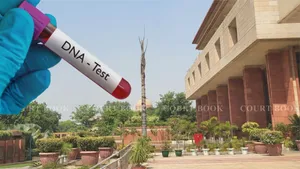
The Court also relied on forensic evidence, including DNA analysis, which supported the prosecution’s case. It noted that scientific findings linked the accused to the offence and corroborated the testimony of the victim.
The absence of visible injuries, the Court clarified, does not by itself negate allegations in such cases.
Finding no merit in the appeal, the High Court upheld the trial court’s judgment.
“In view of the foregoing discussion… the appeal fails and stands dismissed,” the Court held.
The appellant was directed to surrender and undergo the remaining sentence.
Case Details
Case Title: Ram Murat vs State (NCT of Delhi) & Anr.
Case Number: CRL.A. 444/2022
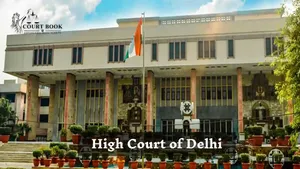
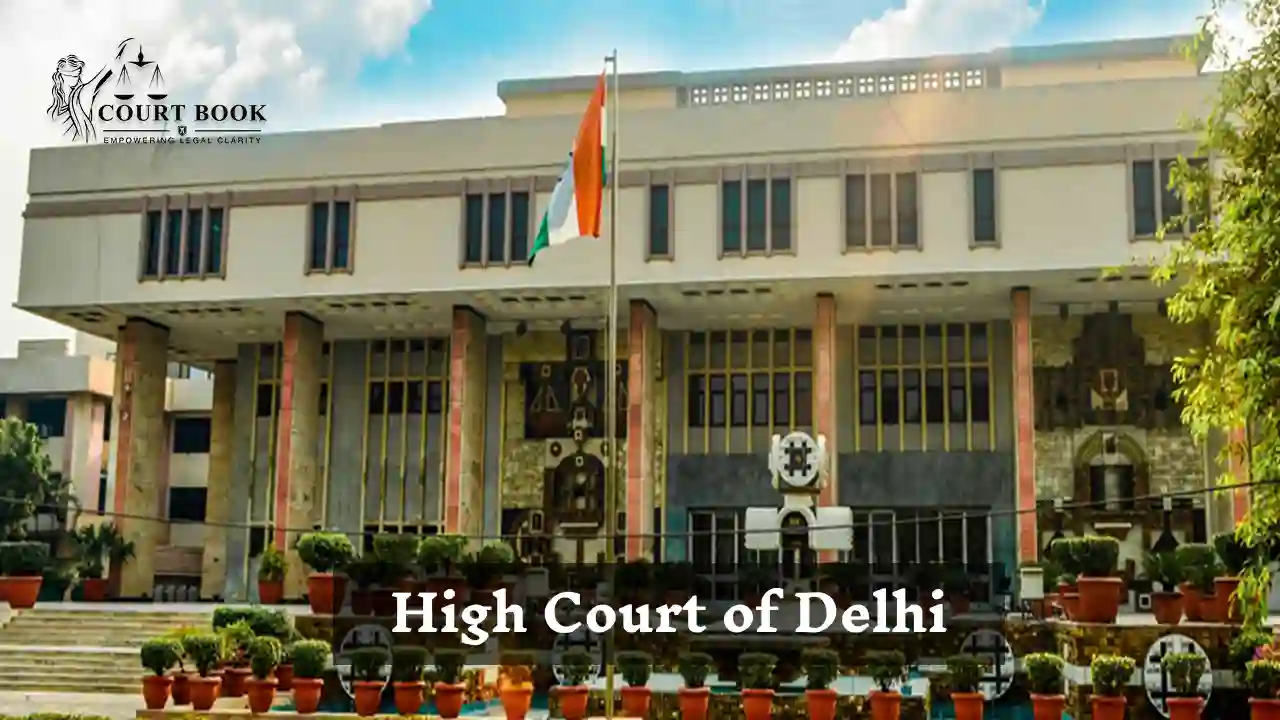
Court: High Court of Delhi
Judge: Justice Vimal Kumar Yadav
Decision Date: April 21, 2026
Download Judgment



-300x169.webp)
 Act (UAPA)-300x169.webp)