

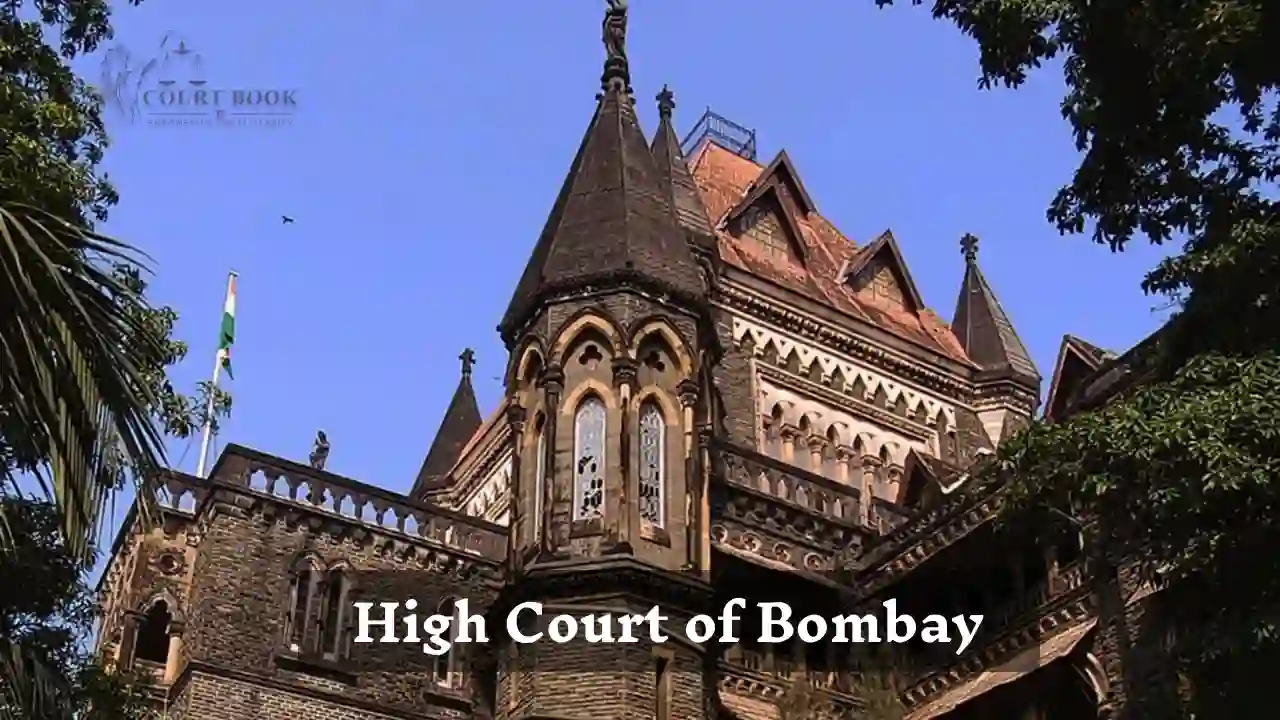
In a significant ruling affecting livelihood-based railway services, the Bombay High Court has upheld the Central Railway’s 2018 Shoe-Shine Policy, endorsing open tendering while balancing concerns of long-serving workers. The court dismissed a plea filed by a cooperative society of shoe-shine workers seeking exclusive rights over contracts at Mumbai railway stations.
Background of the Case
The case, Bombay Shoe-Shine Workers Co-Op. Society Ltd. v. General Manager, Central Railway & Ors., arose from a challenge to the Railway’s policy introducing open tendering for shoe-shine services.
The petitioner society, operating since the 1980s at stations like Chhatrapati Shivaji Maharaj Terminus, argued that its members largely from economically weaker backgrounds depended entirely on this work. They contended that the new policy, which mandates competitive bidding, threatens their livelihood and removes earlier welfare-based protections.
Read also:- Supreme Court Allows Pension Relief for DSC Personnel, Says Shortfall Can Be Condoned
The society sought quashing of the 2018 policy and renewal of its licenses without competition.
The Division Bench of Justice Bharati Dangre and Justice Manjusha Deshpande examined the evolution of the Railway’s policy framework, noting that earlier schemes prioritized welfare and employment generation for weaker sections.
However, the court emphasized that the 2018 policy introduces a transparent system of allocation through open tenders.
“The petitioners cannot claim that contracts should be granted only to them and no other societies be allowed to participate,” the bench observed.
The court clarified that allowing exclusive continuation would effectively create a monopoly, which runs contrary to principles of fairness and equal opportunity.
Read also:- Wife Moves Allahabad High Court Over Non-Payment of Maintenance in DV Act Case
At the same time, the judges acknowledged the long experience of the petitioner society, stating that such experience should not be ignored entirely.
“We direct the Railways to give some weightage to societies having past experience,” the bench said.
Rejecting the argument that the new policy was arbitrary, the court held that open tendering ensures transparency, reduces favoritism, and provides equal opportunity to all similarly placed workers’ groups.
The judgment noted that multiple registered societies exist and have a legitimate right to compete for such contracts.
“The process of open tender ensures transparency, openness and fairness… and curbs nepotism and corruption,” the court recorded.
The bench further observed that while the earlier policy gave preference to Scheduled Castes and Scheduled Tribes, the absence of such a clause in the 2018 policy does not make it illegal, as the broader goal of supporting economically weaker sections continues.
Read also:- Supreme Court Dismisses SLP in Bharat Udyog Case, Rules No Valid Arbitration Without Consent
Importantly, the court flagged a gap in the 2018 policy the absence of a provision ensuring minimum wages.
In a key direction, the bench ordered the Railways to incorporate a condition mandating payment of minimum wages to workers engaged under such contracts.
“We direct that payment of minimum wages… shall be ensured,” the court stated.
Dismissing the writ petition, the High Court upheld the validity of the Shoe-Shine Policy, 2018 and the tender process.
However, it directed the Railways to:
• Consider past experience of existing societies while evaluating bids, and
• Ensure compliance with minimum wage laws in future contracts.
The court clarified that the petitioner society is free to participate in the tender process, but cannot claim exclusive rights over the contracts.
Case Details
Case Title: Bombay Shoe-Shine Workers Co-Op. Society Ltd. v. General Manager, Central Railway & Ors.
Case Number: Writ Petition No. 1643 of 2022
Judge: Justice Bharati Dangre & Justice Manjusha Deshpande
Decision Date: 18 March 2026


