

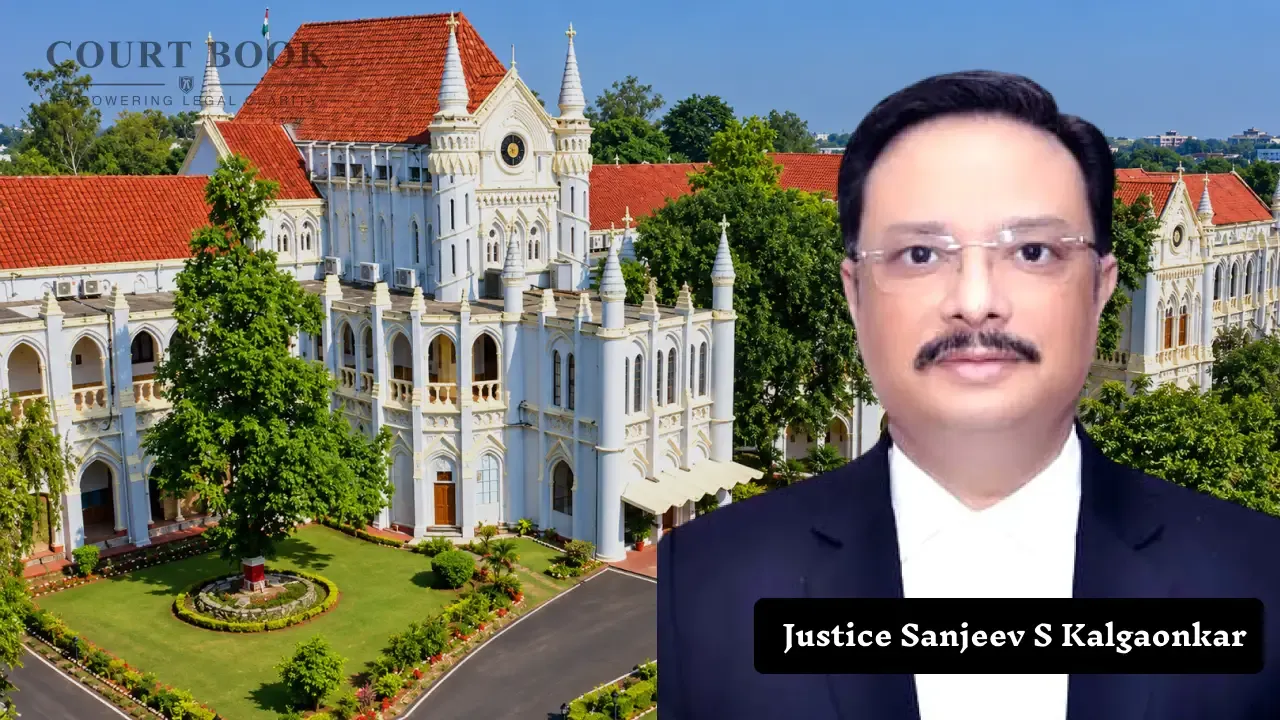
The Madhya Pradesh High Court has set aside a recovery certificate seeking ₹7,23,800 from a widow who had claimed compensation for property loss suffered during the 1984 riots. Justice Sanjeev S. Kalgaonkar held that the earlier ex-gratia payment received by the petitioner did not prevent her from seeking compensation assessed for her property loss.
The petitioner had approached the High Court challenging an order dated September 18, 2014, passed by the Additional Collector, Sehore, directing recovery of ₹7,23,800 on the ground that the amount had been wrongly paid to her. The dispute arose after the authorities alleged that she had concealed the earlier compensation received by her while submitting the subsequent claim.
The petitioner’s case was that her husband had suffered property loss during the 1984 riots. In an earlier order dated January 24, 2006, a Division Bench of the High Court directed that any person claiming loss of movable or immovable property in the riots could approach the concerned Collector, who would assess the loss and award compensation commensurate with it. The order also directed payment of a 40% lump-sum interest on compensation that had remained unpaid.
Following those directions, the petitioner submitted her claim application on May 9, 2013. In the application, she specifically disclosed the earlier financial assistance she had received, including ₹5,000 as interim relief and the earlier payment made under the 2006 rehabilitation measures. The judgment records that she deducted the amount already received while calculating her claim and added ₹2,06,800 towards 40% interest, arriving at a claim of ₹7,23,800.
The Collector, Sehore, considered the claim and approved compensation of ₹7,23,800. The Collector’s office then sought allocation of the amount from the State Government, which allotted the funds on December 7, 2013. The compensation was subsequently paid to the petitioner.
The High Court examined the distinction between ex-gratia assistance and compensation for assessed property loss. It noted that the earlier payment made under the 2006 rehabilitation package was ex-gratia assistance intended to provide relief to victims of the 1984 riots.
The Court observed:
"Ex gratia is a grace while compensation is an obligation. Acceptance of an ex-gratia payment from the state does not by itself create a bar to a subsequent or parallel claim for full compensation quantifying the loss of property, unless the victim has signed an explicit waiver stating that ex-gratia amount is accepted as full and final satisfaction of the loss."
The Court further found that the allegation of concealment was not supported by the record. The petitioner had specifically disclosed the earlier payments in her 2013 claim application, and the Collector’s own office had recorded that those amounts had been deducted from the compensation claimed.
Justice Kalgaonkar also noted that the recovery proceedings had been initiated without properly verifying the information already available on record. The Court found the administrative action improper, particularly as the petitioner had clearly disclosed the previous assistance received by her.
The Madhya Pradesh High Court allowed the writ petition and quashed the September 18, 2014 recovery certificate issued by the Additional Collector, Sehore, along with all consequential proceedings. The State was directed to pay ₹50,000 to the petitioner as costs and compensation for the mental harassment caused by the unwarranted coercive administrative action, within six weeks. The Court further directed that, in the event of default in payment within six weeks, the ₹50,000 amount would carry interest at 6% per annum from the date of the order until actual realization.
Case Title: Smt. Gurucharan Kaur v. The State of Madhya Pradesh and Others
Case Number: Writ Petition No. 16361 of 2014


