

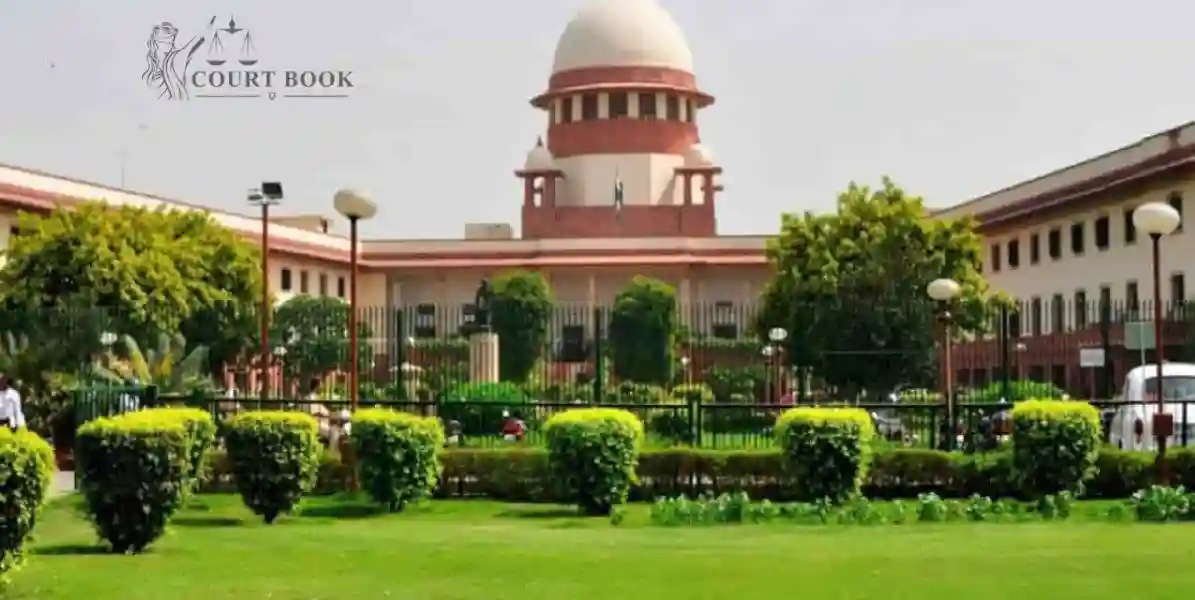
The Supreme Court on Wednesday (5 August) made it clear that State governments cannot rely on financial constraints or differences in the retirement age of government employees to oppose increasing the retirement age of judicial officers from 60 to 62 years. Calling such reasons "misconceived" and "untenable," the Court directed States that have opposed the proposal to reconsider their stand and take a fresh decision within two weeks.
The directions came during the hearing of the long-pending All India Judges Association case concerning service conditions of members of the district judiciary.
Background of the Case
The issue arose after the Supreme Court sought responses from State governments and High Courts on whether the retirement age of judicial officers should be increased from 60 to 62 years. Several States opposed the proposal, primarily citing the additional financial burden and the need to maintain parity with the retirement age of other State government employees.
The matter was considered by a Bench comprising Chief Justice of India Surya Kant, Justice Joymalya Bagchi and Justice V. Mohana.
Rejecting the objections raised by several States, the Bench observed that the financial burden argument did not withstand scrutiny.
The Court said,
"The reasons assigned by the different State governments for declining to enhance the age of retirement of judicial officers on the ground of additional financial burden appear to be misconceived."
The Bench pointed out that replacing retiring judicial officers with newly recruited officers would also involve substantial expenditure, including recruitment, induction and training costs. It noted that retaining experienced judges could, in fact, reduce financial liability while ensuring continuity in the administration of justice.
The Court further observed,
"We have no reason to doubt that the continuation of experienced and seasoned judicial officers would entail a lesser financial liability than what the State would incur upon their retirement."
Addressing the second objection, the Bench clarified that judicial officers constitute a distinct constitutional class and cannot be equated with ordinary government servants merely because they are appointed by the State.
The Court also clarified that State governments should independently consider the issue and should not refrain from taking a positive decision simply because the concerned High Court may have expressed reservations. At the same time, it directed High Courts to place the matter before their Full Court meetings and communicate their views to the respective State governments.
The Supreme Court directed all States that have opposed the enhancement of the retirement age of judicial officers to urgently revisit the issue and take an independent, pragmatic decision, preferably within two weeks.
It further ordered that if a State decides to increase the retirement age to 62 years, the benefit should also be extended to judicial officers who retire during the intervening period.
Case Details
Case Title: All India Judges Association and Ors. v. Union of India and Ors.
Case Number: W.P.(C) No. 1022/1989
Judge: Chief Justice of India Surya Kant, Justice Joymalya Bagchi and Justice V. Mohana
Decision Date: August 5, 2026


