

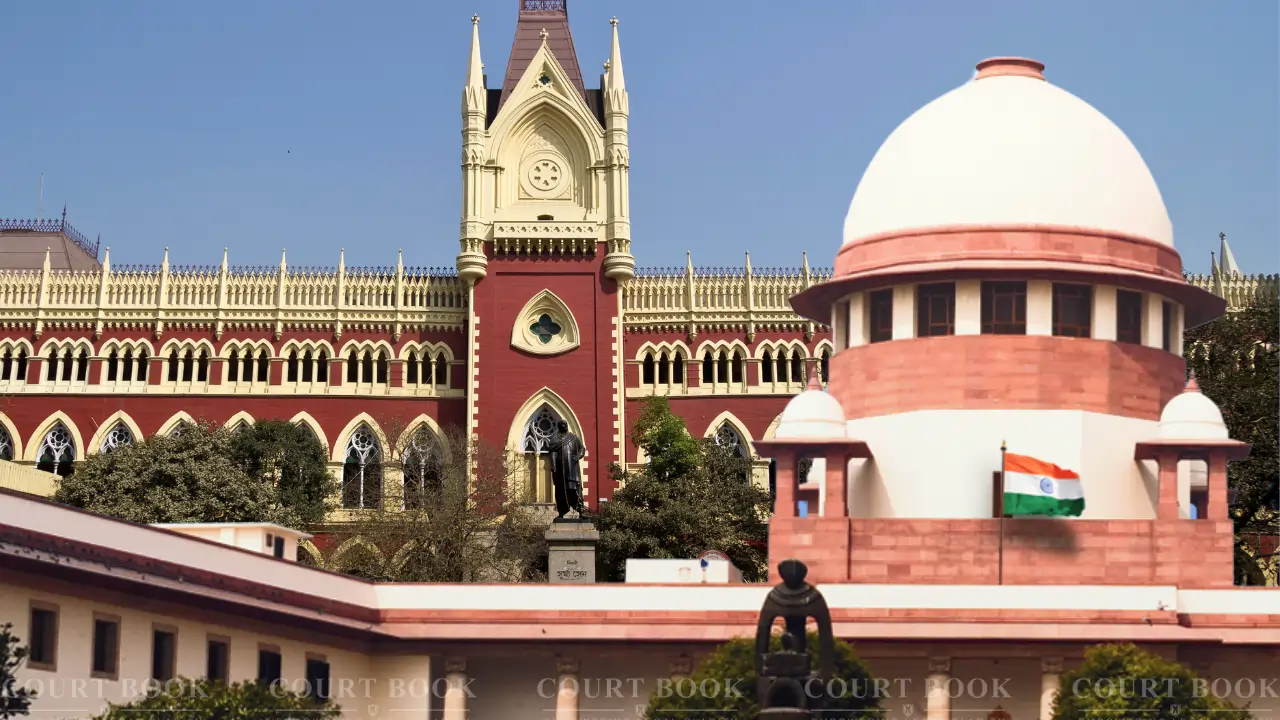
The Supreme Court on October 1, sought the response of the West Bengal government on petitions challenging a Calcutta High Court judgment that declared certain OBC certificates issued under the State’s May-June 2025 notifications void. The case also concerns the impact of the ruling on the ongoing recruitment of constables in the West Bengal Police.
A Bench of Justice Joymalya Bagchi and Justice V Mohana heard the matter. The petitioners sought interim protection for the recruitment process, but the Court declined to keep the posts vacant. Instead, it directed that appointments made during the pendency of the proceedings would remain subject to the final outcome of the case.
Background
The dispute arises from the Calcutta High Court’s earlier decisions concerning the OBC list in West Bengal. In May 2024, the High Court had struck down the inclusion of several communities in the OBC list and directed corrective steps.
The State subsequently issued notifications in May and June 2025 concerning the OBC classification. The High Court later stayed their operation. Following subsequent developments, including the withdrawal of the State’s challenges, the issue again came before the High Court in Shreyasi Dhang v. State of West Bengal.
On August 12, 2026, the High Court held that OBC certificates issued during the relevant period under the disputed notifications had no legal consequence and were void from the beginning.
The present petitioners are candidates who participated in the 2024 West Bengal Police constable recruitment. They argued that the recruitment process had commenced before the later developments concerning the OBC list and that they had participated on the basis of OBC-A or OBC-B status accepted during the selection process.
According to the petition, the recruitment originally provided 1,998 OBC posts out of 11,749 vacancies, representing 17% reservation. The petitioners also relied on the age relaxation available to OBC candidates and argued that changing their category after the recruitment process had substantially progressed would affect their candidature.
They further argued that they were not parties to the proceedings in Shreyasi Dhang and therefore challenged the application of that judgment to their certificates and recruitment process.
Senior Advocate Shadan Farasat, appearing for the petitioners, requested that the posts involved in the recruitment be kept vacant until the challenge was decided. The Bench did not grant that request.
Instead, the Court directed that any appointments made pursuant to the recruitment would remain subject to the final outcome of the proceedings. It further ordered that the appointment letters issued to selected candidates must specifically mention this condition.
Senior Advocate Menaka Guruswamy appeared in a connected matter, while Solicitor General Tushar Mehta appeared for the State of West Bengal. The Court also directed that the petition be heard along with the connected matters concerning the same controversy.
The Supreme Court issued notice to the State of West Bengal on the challenge to the Calcutta High Court judgment. While declining to keep the recruitment posts vacant, the Bench protected the position of the selected candidates by making their appointments subject to the final outcome of the case.
The Court directed that this condition must be expressly recorded in the appointment letters issued to the recruits.


