

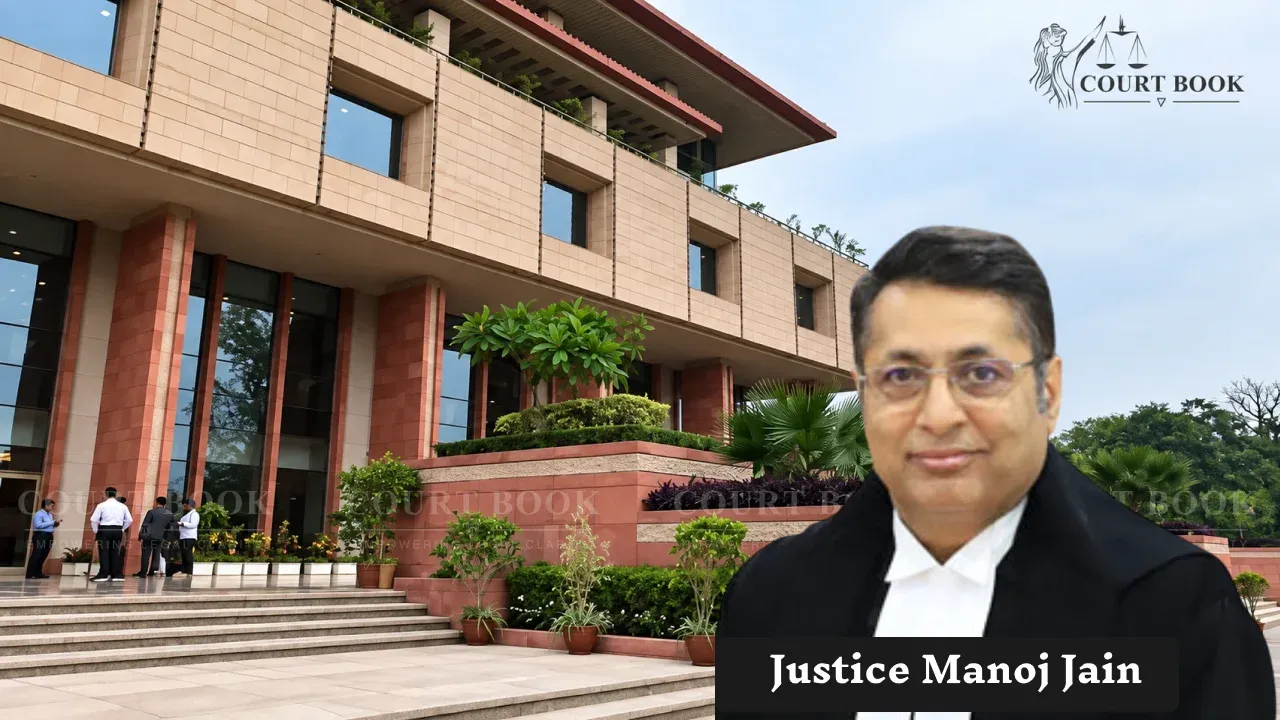
The Delhi High Court has refused to suspend the conviction of Raju Kumar Singh, who was convicted under Section 304 Part-II of the Indian Penal Code (IPC) and Section 30 of the Arms Act, 1959, in connection with the death of Archana Gupta following celebratory firing at a New Year party.
Background
The incident took place during the intervening night of December 31, 2018 and January 1, 2019, at Rose Farm House in Mandi Village, New Delhi. The farmhouse belonged to Sanjeev Singh, the appellant’s brother. During the celebrations, security guard Hari Singh and Raju Kumar Singh fired shots in the air.
According to the prosecution case, after a gap of around five minutes, another round of firing took place, during which Singh was allegedly the only person firing. Shortly afterwards, Archana Gupta was found unconscious on the dance floor and was taken to hospital, where she eventually died from the gunshot injury.
The trial court had convicted Singh under Section 304 Part-II IPC and Section 30 of the Arms Act. He was sentenced to four years’ simple imprisonment under the IPC provision and two months under the Arms Act, along with compensation of ₹25 lakh to the deceased’s family.
Singh sought suspension of his conviction, arguing that it would result in his disqualification under Section 8(3) of the Representation of the People Act, 1951. His counsel also questioned whether the evidence conclusively established that the bullet fired from his .22-bore pistol caused the fatal injury.
The State opposed the plea, maintaining that the trial court had properly evaluated the evidence and that the circumstances established Singh’s role in the fatal firing.
Justice Manoj Jain examined the evidence only to the limited extent necessary for deciding whether there was any apparent or manifest error in the conviction.
The Court observed:
“The facts, which emerge from the record, indicate that at the relevant time, it was appellant who had used his pistol. No one else was seen firing at that crucial moment.”
The Court further noted that the appellant’s conviction could be suspended only in exceptional circumstances and found no manifest or palpable error in the trial court’s appreciation of the evidence.
The Delhi High Court dismissed Raju Kumar Singh’s application seeking suspension of his conviction. The Court clarified that its observations were tentative and would not amount to a final expression on the merits of the appeal.
The criminal appeal itself was admitted and directed to be listed in due course.
Case Details:
Case Title: Raju Kumar Singh v. The State (NCT of Delhi)
Case Number: CRL.A. 660/2026
Judge: Justice Manoj Jain
Decision Date: September 29, 2026


