

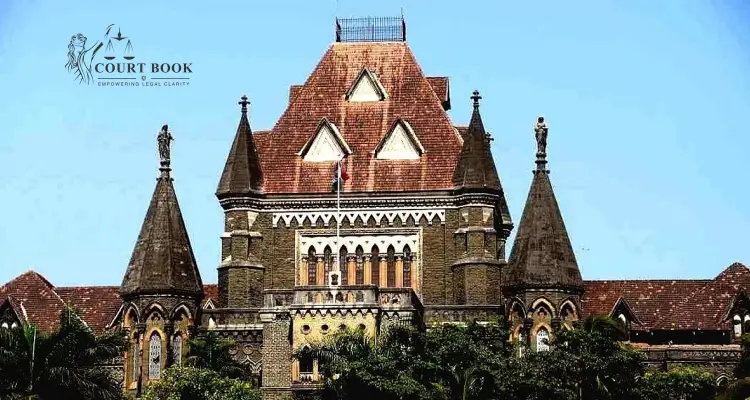
The Bombay High Court has declined to interfere with a refund and recovery order passed against Marvel Landmarks Pvt. Ltd. under the Real Estate (Regulation and Development) Act, 2016 (RERA). The Court held that the order had already attained finality and could not be reopened years later based on subsequent case law.
Background of the Case
The case arose from a 2019 order by the adjudicating authority of the Maharashtra Real Estate Regulatory Authority directing Marvel Landmarks to refund ₹1.35 crore with interest at 10.20% per annum to homebuyer Siddharth Mohan Palesha.
Read also:- Supreme Court Cancels Bail of Life Convict in Bihar Murder Case, Flags Misuse of Sentence Suspension
Marvel did not file an appeal within the statutory period under the RERA Act. When the refund was not paid, the authority initiated recovery proceedings in 2021 treating the amount as arrears of land revenue.
In 2024, Marvel approached the High Court, arguing that the refund order became invalid after the Supreme Court’s judgment in Newtech Promoters and Developers Pvt. Ltd. v. State of UP. The company claimed that, following the Supreme Court’s ruling, only the regulatory authority not the adjudicating officer could order refunds.
Justice Somasekhar Sundaresan examined whether the Supreme Court’s ruling in Newtech rendered the earlier refund order “non est” (void from inception).
Read also:- Allahabad High Court Says Police Can Freeze Bank Accounts Only Up To Suspected Amount, Not Entire Account
The Court held that Newtech dealt with whether the regulatory authority or the adjudicating officer had jurisdiction over refund matters, and that the decision did not automatically invalidate previously concluded orders.
The bench observed that the petitioner had not challenged the refund order within the statutory time limit and had allowed it to attain finality:
“Once the statutory period for appeal has expired, the order attains finality. A subsequent judgment does not reopen long-settled proceedings.”
The Court noted that Marvel waited nearly five years from the original order and almost three years after the Newtech ruling to file the petition.
Read also:- Supreme Court: Pensioners Can’t Be Given Lower Inflation Relief Than Employees
The Court also observed that execution proceedings were already underway and that allowing the writ would unsettle a final order. The Court emphasised that writ jurisdiction is discretionary and cannot be used to revive closed matters without sufficient cause.
Finding no compelling reason to interfere, the High Court dismissed the petition. It held that the petitioner’s delay and failure to challenge the original order through statutory remedies barred relief.
The Court concluded that the impugned refund and recovery orders would remain enforceable. No costs were imposed.
Case Details
Case Title: Marvel Landmarks Pvt. Ltd. v. State of Maharashtra & Ors.
Case Number: Writ Petition No. 12121 of 2024
Judge: Justice Somasekhar Sundaresan
Decision Date: April 7, 2026
Download Order

