

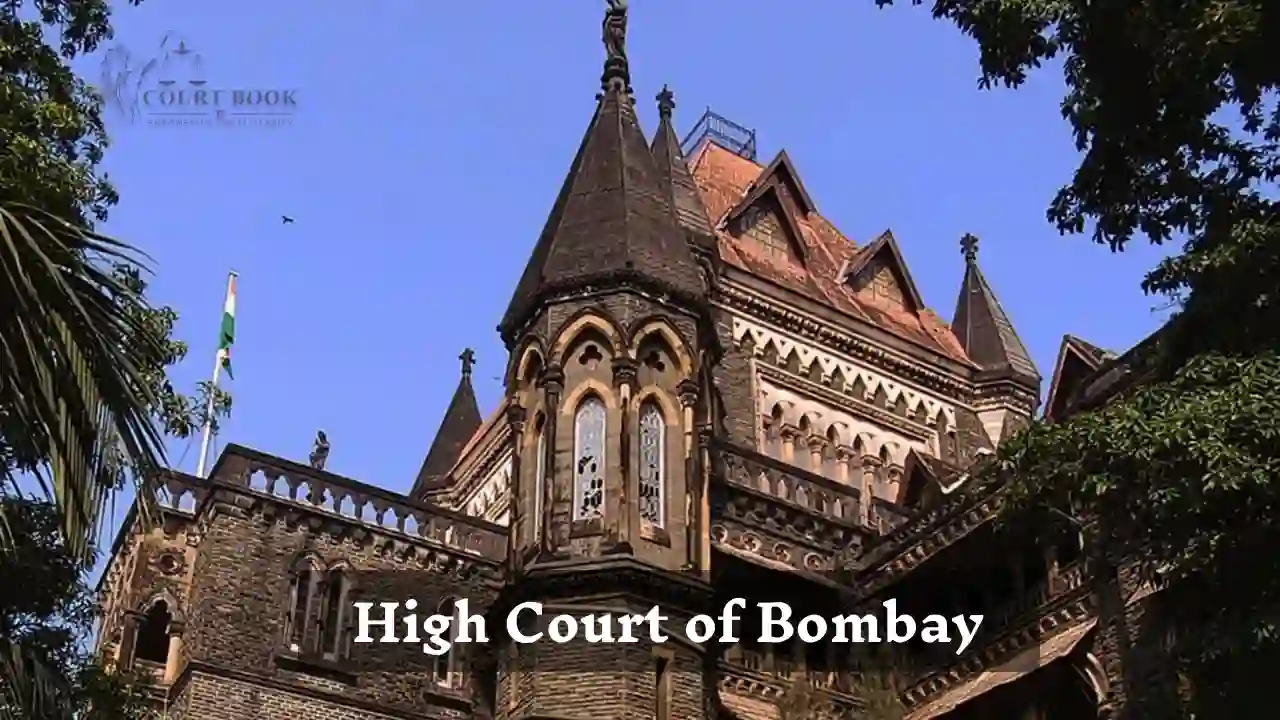
In a significant ruling, the Bombay High Court set aside a demand of over ₹1.25 crore raised against a pharmaceutical company, holding that authorities acted after an unreasonable delay and without following fair procedure.
The court emphasized that even administrative actions must meet the standards of fairness and timely decision-making.
Background of the Case
The case, Tridoss Laboratories Pvt. Ltd. & Anr. v. Union of India & Ors., arose from a demand notice issued in 2016 alleging overcharging of consumers for a drug formulation.
The petitioners, engaged in manufacturing pharmaceutical products, argued that their formulation-Theophylline CR 300 mg tablets-was not covered under the notified ceiling price regime at the relevant time. They also challenged the demand as being excessively delayed.
The dispute traces back to sales made between 2004 and 2006. However, the first effective notice was issued only in 2015, followed by a revised demand in 2016 and recovery proceedings in 2017.
Senior counsel for the petitioners contended that:
• The product in question was never included in the notified ceiling price list during the relevant period.
• Authorities issued notices after nearly a decade, by which time records were no longer available due to standard document retention policies.
• The delay deprived the company of a fair opportunity to defend itself.
It was also argued that different drug delivery systems-such as sustained release (SR) and controlled release (CR)-cannot be treated as identical without specific notification.
The Union of India defended the demand, asserting that:
• The drug fell under the price control regime.
• Manufacturers were required to seek price approval before marketing the product.
• The company had overcharged consumers and must refund the excess amount.
The authorities also maintained that sufficient opportunity had been provided to the petitioners.
The bench of Justice Manish Pitale and Justice Shreeram V. Shirsat found serious flaws in the authorities’ approach.
“The action initiated after more than a decade cannot be sustained,” the court observed, noting that such delay violated principles of natural justice.
The court highlighted:
• No proof existed that an earlier 2008 notice was served.
• The first valid notice came only in 2015 nine years after the alleged overcharging.
• The delay made it impossible for the company to access records and defend itself effectively.
The bench further noted that authorities failed to provide a hearing or record reasons before initiating recovery proceedings.
On merits, the court held that treating SR (sustained release) and CR (controlled release) formulations as identical was unjustified without explicit notification.
Allowing the writ petition, the court quashed:
• The demand notice dated February 15, 2016, and
• The recovery notice issued by the Tahsildar in October 2017.
The court concluded that the impugned actions were unsustainable due to inordinate delay, lack of fairness, and failure to follow principles of natural justice.
Case Details
Case Title: Tridoss Laboratories Pvt. Ltd. & Anr. v. Union of India & Ors.
Case Number: Writ Petition No. 2789 of 2017
Judge: Justice Manish Pitale & Justice Shreeram V. Shirsat
Decision Date: April 15, 2026
Download Order

