

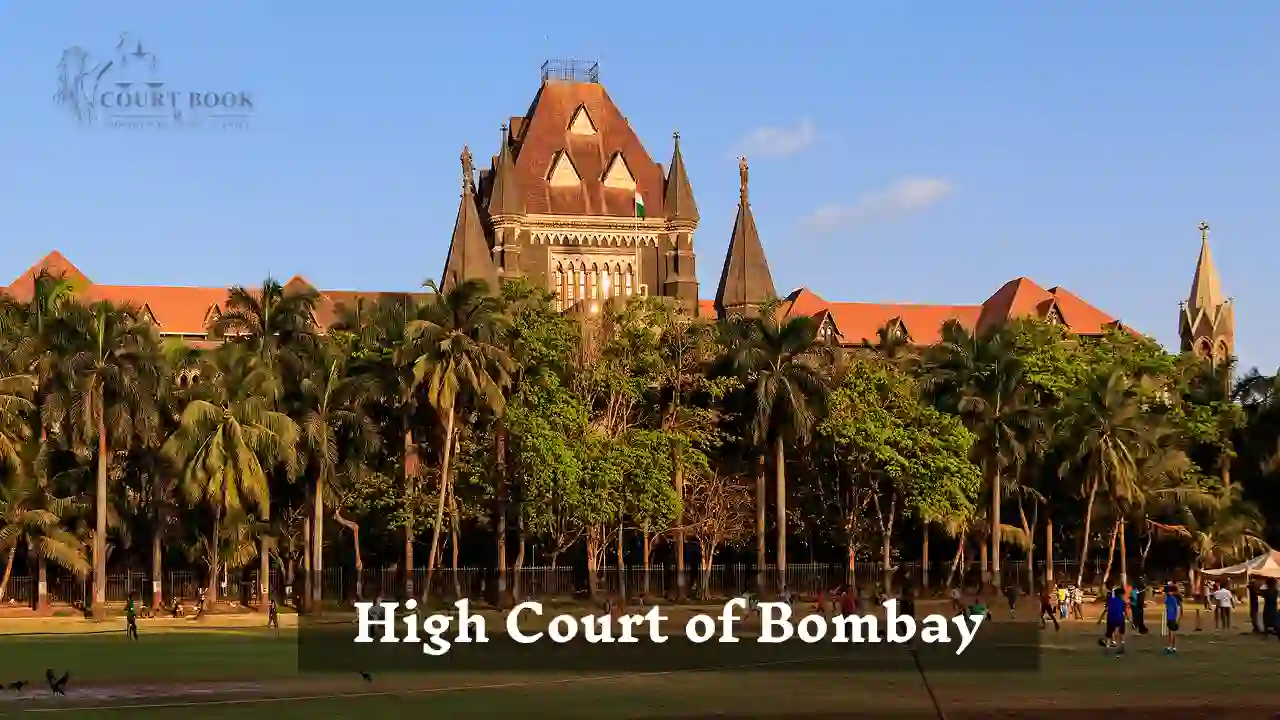
The Bombay High Court has quashed an order of the Joint Charity Commissioner that had cancelled approval granted for a trust property transaction, holding that a completed transaction cannot be reopened unless there is clear proof that the sanction was obtained through fraud.
Justice Amit Borkar ruled that the power under Section 36(2) of the Maharashtra Public Trusts Act is limited and cannot be used as an appellate mechanism to reassess a transaction already approved and completed.
Background of the Case
The dispute arose after the Joint Charity Commissioner granted sanction on May 24, 2018, allowing a public trust to lease property to Bagasarwala Property LLP for 29 years. A lease deed was subsequently executed, and the petitioner later exercised an option to acquire reversionary rights over the property.
However, in January 2020, the Joint Charity Commissioner revoked the sanction. The authority held that important facts had not been disclosed while obtaining approval, including an earlier termination notice issued to a lessee. The authority also raised concerns regarding valuation, transparency of the tender process, and the necessity of the transaction. The sanction was therefore cancelled and directions were issued for restoration of the property in trust records.
Bagasarwala Property LLP challenged that order before the High Court.
Justice Borkar examined the scope of Section 36 of the Maharashtra Public Trusts Act and emphasized that the law permits revocation of a sanction only in specific situations.
The Court observed,
“The jurisdiction under sub-section (2) is therefore not appellate in nature. It does not permit the Charity Commissioner to reconsider the correctness of the original decision merely because another view may also be possible on the same material.”
The Court further noted that once a conveyance has been executed, revocation is permissible only if fraud was practised upon the Charity Commissioner before the grant of sanction.
Addressing allegations of fraud, the Court found that the material on record did not establish deliberate deception.
“The statute requires proof of fraud. Such proof is absent,” the Court observed while rejecting the findings recorded in the revocation order.
The Court also held that disputes relating to tenancy rights, ownership claims, valuation disagreements, or the validity of a termination notice could not be converted into grounds for revocation proceedings under Section 36(2).
The High Court acknowledged that certain documents, including the termination notice, may have been relevant. However, it drew a distinction between a procedural omission and fraudulent concealment.
According to the Court, every non-disclosure does not amount to fraud. To revoke a completed transaction, there must be evidence that information was intentionally withheld to mislead the authority and that such concealment materially affected the grant of sanction. The Court found no such evidence in the present case.
Allowing the writ petition, the Bombay High Court set aside the Joint Charity Commissioner’s order dated January 29, 2020.
The Court restored the sanction granted on May 24, 2018, and cancelled all directions requiring refund of consideration amounts and restoration of the property in trust records. It clarified that the judgment only examined the legality of the revocation under Section 36(2) and did not decide any independent claims relating to title, tenancy, ownership, succession, or other property rights, which remain open for adjudication before appropriate forums.
Case Details:
Case Title: Bagasarwala Property LLP v. The Joint Charity Commissioner & Ors.
Case Number: Writ Petition No. 1736 of 2020
Judge: Justice Amit Borkar
Decision Date: June 10, 2026


