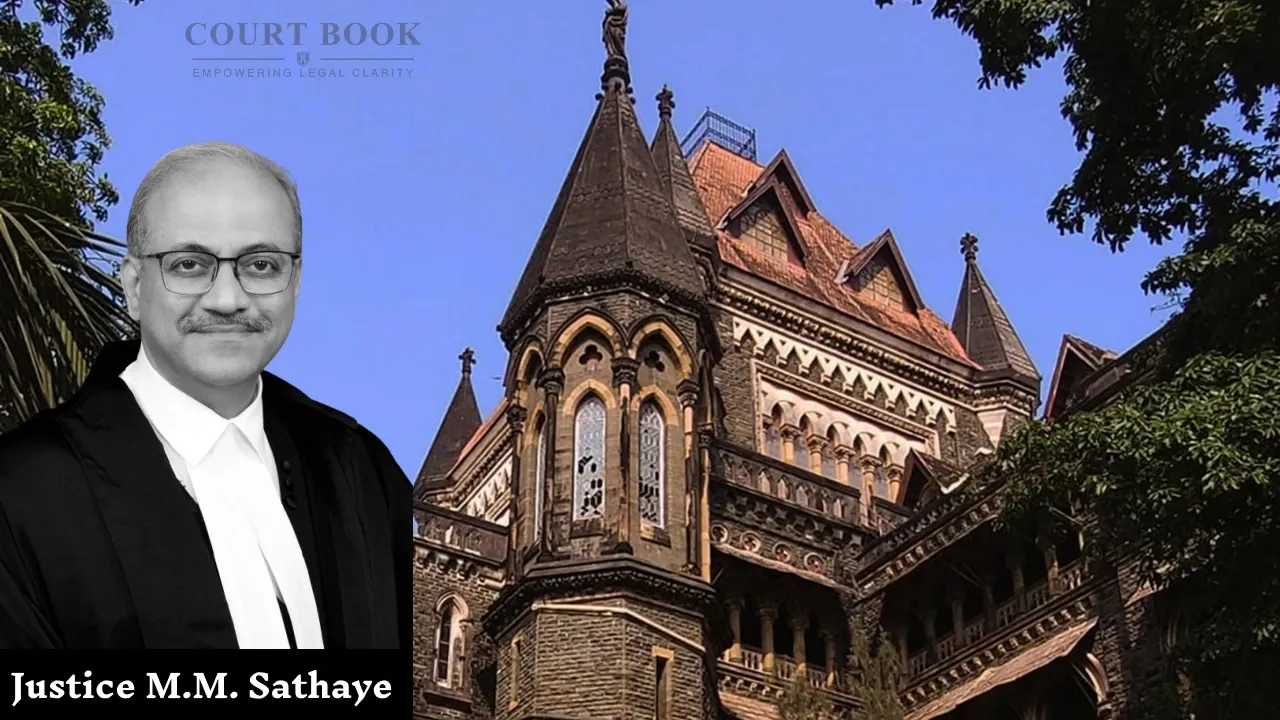
The Bombay High Court has upheld the tenancy rights of a woman who claimed succession to a residential flat after the death of her cousin, ruling that an heir can inherit protected tenancy even if they were not residing with the deceased tenant at the time of death.
Justice M.M. Sathaye dismissed a writ petition filed by the Parsi Punchayet Funds and Properties, Bombay, challenging concurrent findings of the Small Causes Court and its Appellate Bench, which had recognized Katty J. Mistry as the lawful tenant of the premises.
Background of the Case
The dispute concerned a flat in Patel Building at Parsi Colony, Dadar, Mumbai. The premises were originally occupied by Baji B. Patel, a tenant of the Parsi Punchayet trust.
After Patel's death in April 1993, Katty J. Mistry approached the trust seeking recognition as tenant and transfer of rent receipts in her name. She claimed that she was Patel’s first cousin and therefore entitled to tenancy rights under the Bombay Rents, Hotel and Lodging House Rates Control Act, 1947.
The trust opposed her claim, arguing that she was neither a tenant nor a family member residing with Patel at the time of his death. It further alleged that she had no valid legal relationship with the deceased tenant and could not claim succession to the tenancy.
Proceedings Before Lower Courts
Mistry filed proceedings before the Small Causes Court seeking a declaration that she was entitled to be recognized as tenant.
The trial court accepted her claim and directed the trust to issue rent receipts in her name. The trust challenged the decision before the Appellate Bench of the Small Causes Court, but the appeal was dismissed.
While the appellate court concluded that Mistry had failed to prove that she was residing with Patel at the time of his death, it nevertheless held that she had established her status as his legal heir and was therefore entitled to succeed to the tenancy.
Court’s Observations
Before the High Court, the trust argued that various documents, including ration cards, voter records and tenancy-related records, did not show Mistry as residing in the flat. It contended that the courts had wrongly accepted a distant relationship for granting tenancy rights.
Justice Sathaye noted that the appellate court's finding regarding non-residence had attained finality. However, the key question was whether Mistry qualified as an heir of the deceased tenant.
The Court observed that Mistry had consistently maintained that she was the daughter of Patel’s maternal aunt and therefore his first cousin. Importantly, this relationship was supported by genealogy records and was not effectively challenged during cross-examination.
The Court also referred to Unit Trust certificates showing Mistry and Patel as joint holders several years before the tenancy dispute arose. According to the Court, these documents strengthened the claim that a genuine familial relationship existed between them.
Interpretation of Rent Law
A significant part of the judgment focused on Section 5(11)(c)(i) of the Bombay Rent Act.
Justice Sathaye explained that the provision contains two separate categories. The first covers family members residing with the tenant at the time of death. The second applies where no such family member exists and allows any heir of the deceased tenant to succeed to the tenancy.
“The legislature has not qualified the ‘any heir of deceased tenant’ with any condition of ‘residing with tenant at the time of tenant’s death’,” the Court observed. “Therefore, in absence of family member of tenant residing with tenant at the time of tenant’s death, any heir of tenant is not required to be residing with tenant at the time of tenant’s death.”
The Court held that since no person had been proved to be residing with Patel at the time of his death, the second part of the provision became applicable.
Decision
Finding no perversity in the conclusions reached by the trial court and appellate court, the Bombay High Court refused to interfere in its supervisory jurisdiction.
The Court held that Mistry had successfully established her status as an heir of the deceased tenant and was therefore entitled to tenancy protection under the law.
Accordingly, the writ petition filed by the Parsi Punchayet Funds and Properties, Bombay was dismissed, and the orders recognizing Katty J. Mistry as tenant were allowed to stand.
Case Details:
Case Title: Parsi Punchayet Funds and Properties, Bombay & Ors. v. Ms. Katty J. Mistry
Case Number: Writ Petition No. 3944 of 2000
Judge: Justice M.M. Sathaye
Decision Date: 10 June 2026