The Gauhati High Court has ruled that a legal notice issued after a cheque is dishonoured need not expressly use the word "demand" to satisfy the requirements of Section 138 of the Negotiable Instruments Act. Dismissing a criminal revision petition against a cheque bounce conviction, the Court held that if the notice, read as a whole, clearly conveys that the drawer is required to pay the cheque amount and indicates the legal consequences of failing to do so, it constitutes a valid statutory demand.
Background of the Case
The case arose from a financial transaction between Protima Dutta Kalita and Smt. Rina Borgohain, who were known to each other. According to the complaint, the petitioner had sought financial assistance of ₹1.30 lakh for her son's marriage. The respondent claimed she arranged the money through her self-help group and handed it over after the petitioner promised repayment.
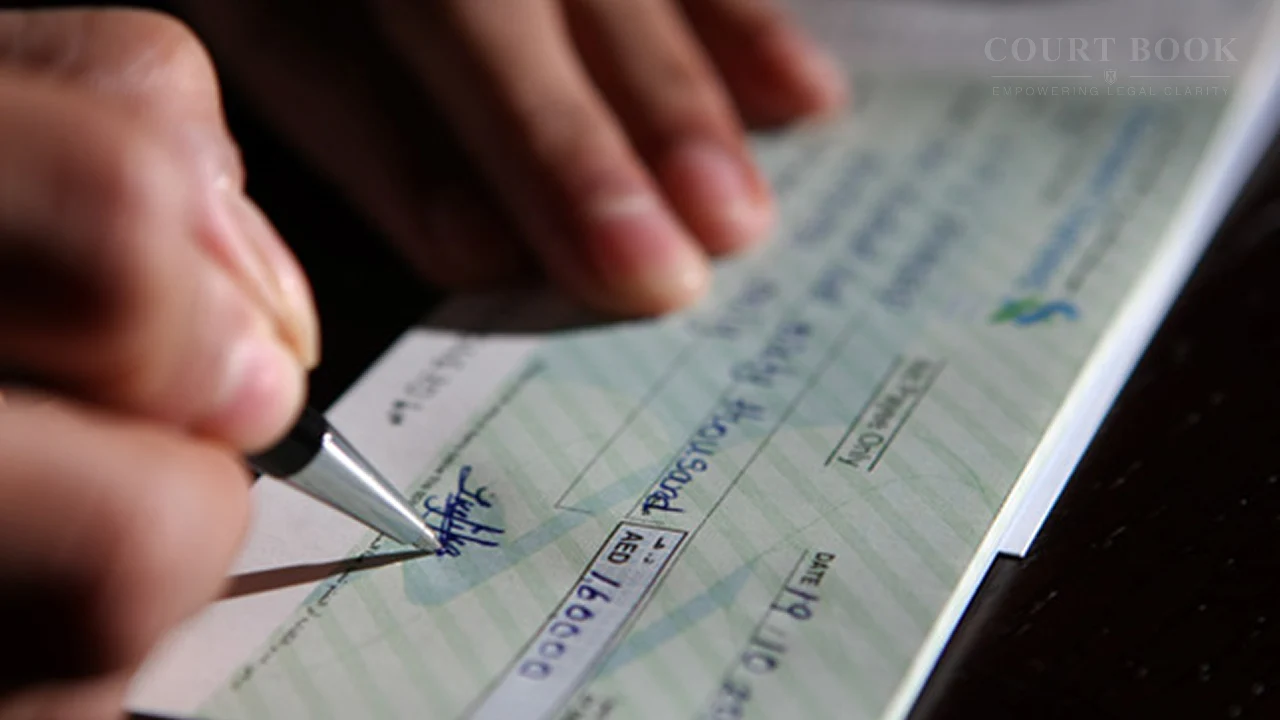
When repayment was repeatedly sought, the petitioner allegedly issued a cheque for the same amount. The respondent also relied on a handwritten acknowledgment of debt said to have been signed by the petitioner. However, the cheque was later dishonoured, prompting legal proceedings under Section 138 of the Negotiable Instruments Act, 1881.
The Chief Judicial Magistrate, Golaghat, convicted the petitioner and sentenced her to one year's simple imprisonment along with compensation of ₹3 lakh. On appeal, the Sessions Judge reduced the sentence to six months' simple imprisonment and compensation of ₹2.60 lakh while maintaining the conviction. The petitioner then approached the High Court through a criminal revision petition.
Court's Observations
Before the High Court, the petitioner raised two principal arguments.
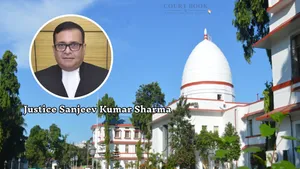
The first was that the complainant had failed to mention the exact date on which the loan of ₹1.30 lakh was allegedly advanced. Justice Sanjeev Kumar Sharma rejected this contention, noting that the petitioner had never disputed her signature on the cheque. Once the execution of the cheque was admitted, the statutory presumption under Section 139 of the Negotiable Instruments Act came into operation.
The Court observed,
"Merely because the complainant had not mentioned the exact date on which the money exchanged hands, the presumption would not stand rebutted."
It further held that the petitioner had failed to produce evidence or effectively challenge the complainant's case to rebut the legal presumption that the cheque had been issued towards a legally enforceable debt.
The second argument related to the legal notice issued after the cheque was dishonoured. The petitioner argued that the notice merely "advised" payment and did not expressly "demand" payment as required under Section 138 of the Act.
Rejecting this submission, the High Court held that the substance of the notice is more important than the particular words used.
Quoting the Supreme Court's decision in Central Bank of India & Anr. v. Saxons Farms & Ors., the Court explained that no specific format for such a notice is prescribed under law. A notice that clearly conveys the necessity of making payment and informs the drawer of the consequences of non-payment satisfies the statutory requirement.
The bench observed,
"The word 'advice' is merely a polite use of language... but the same must legally be treated as a demand for the purpose of Section 138 of the N.I. Act if the notice as a whole conveys the requirement... to make good the cheque amount."
Court's Decision
Finding no merit in either of the petitioner's objections, the Gauhati High Court concluded that both the conviction and the modified sentence recorded by the appellate court were legally sustainable.
Accordingly, the Court dismissed the criminal revision petition.
Case Details
Case Title: Protima Dutta Kalita v. Smt. Rina Borgohain
Case Number: Crl. Rev. P. No. 412 of 2025
Judge: Justice Sanjeev Kumar Sharma