

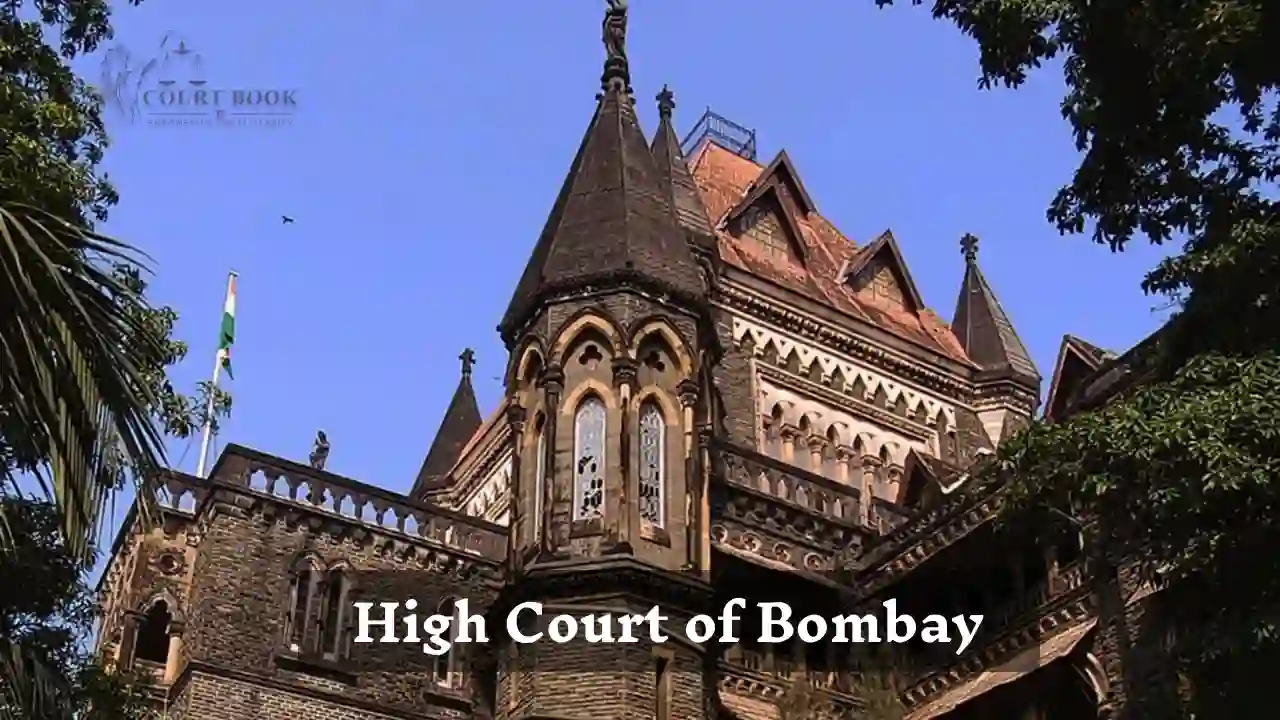
The Bombay High Court has held that a separate civil suit challenging a compromise decree cannot be maintained, even when allegations of fraud or lack of authority are raised. The Nagpur Bench set aside orders of the trial court and rejected the plaint filed by members of a cooperative housing society who had questioned a compromise entered into by the society in an earlier land dispute.
Background of the Case
The dispute concerned land at Yerkheda in Nagpur district. Members of a cooperative housing society alleged that the society had entered into agreements to purchase the land in 1985 and 1987 and had been pursuing litigation concerning its rights over the property.
According to the plaintiffs, during the pendency of an earlier civil suit, the society entered into a compromise with the landowners and other defendants, leading to a compromise decree in September 2022. The members challenged that settlement, claiming that the society’s executive committee had ceased to hold office after 2019 and therefore lacked authority to enter into the compromise. They also alleged that the settlement amount was substantially lower than the property's market value.
The plaintiffs sought declarations that the compromise decree and subsequent transactions relating to the property were invalid.
Justice Rohit W. Joshi first examined objections regarding the jurisdiction of the Cooperative Court and the requirement of statutory notice under the Maharashtra Cooperative Societies Act.
The Court held that while the dispute may relate to the affairs of the society, it did not concern the “business of the society” in the sense required by the statute. It also noted that several defendants were neither members nor office-bearers of the cooperative society. Therefore, the Cooperative Court did not have exclusive jurisdiction over the dispute.
However, the Court found merit in the contention that the suit was barred by Order XXIII Rule 3-A of the Code of Civil Procedure.
Referring to Supreme Court precedents, the Bench observed that even where a compromise decree is alleged to have been obtained through fraud, the aggrieved party must approach the same court that recorded the compromise.
“The only recourse available to the plaintiffs was to approach the same court by filing an application,” the Court observed while discussing the legal position on challenges to compromise decrees.
The Court further noted that this principle applies even to persons who were not parties to the compromise or the original suit, relying on recent Supreme Court authority.
Holding that the suit was expressly barred by law, the High Court ruled that the trial court had committed a jurisdictional error by allowing the case to proceed.
The Court allowed both civil revision applications, quashed the trial court’s orders dated 29 July 2024, allowed the applications seeking rejection of the plaint, and rejected the plaint in Special Civil Suit No. 165 of 2023.
The parties were directed to bear their own costs.
Case Details
Case Title: Smt. Hashma Begum (deceased) & Ors. vs Abdul Shakoor & Ors.
Case Number: Civil Revision Application Nos. 99 of 2024 and 107 of 2024
Judge: Justice Rohit W. Joshi
Decision Date: 22 May 2026


