

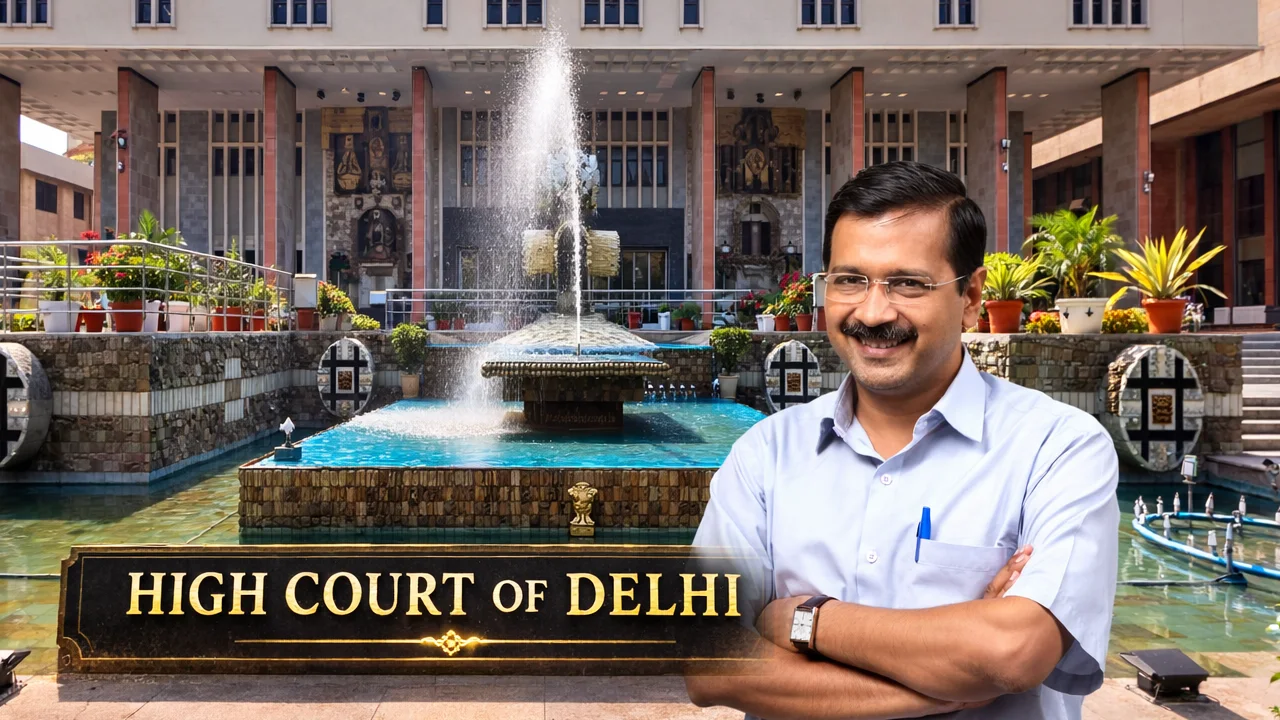
अरविंद केजरीवाल ने दिल्ली उच्च न्यायालय में एक नया हलफनामा दाखिल कर न्यायमूर्ति स्वर्णा कांता शर्मा से खुद को मामले की सुनवाई से अलग करने (recusal) की मांग की है। यह मामला कथित आबकारी नीति से जुड़ा है, जिसमें केजरीवाल आरोपी हैं।
मामले की पृष्ठभूमि
यह विवाद उस याचिका से जुड़ा है जिसमें केंद्रीय जांच ब्यूरो (CBI) ने ट्रायल कोर्ट द्वारा आरोपियों को दिए गए डिस्चार्ज आदेश को चुनौती दी है। इससे पहले, न्यायमूर्ति शर्मा ने केजरीवाल सहित अन्य आरोपियों की रिक्यूज़ल याचिकाओं पर आदेश सुरक्षित रख लिया था। केजरीवाल ने खुद कोर्ट में पेश होकर दलीलें दी थीं।
Read also:- शिकायत निवारण समिति पर देरी भारी, दिल्ली हाई कोर्ट ने सरकार को दिया 3 हफ्ते में कार्रवाई पूरी करने का आदेश
नए हलफनामे में केजरीवाल ने कहा कि न्यायमूर्ति शर्मा के बच्चे केंद्र सरकार के पैनल वकील हैं और उन्हें मामलों का आवंटन सॉलिसिटर जनरल के माध्यम से होता है, जो इस मामले में CBI की ओर से पेश हो रहे हैं।
उन्होंने कहा,
“यह एक प्रत्यक्ष और गंभीर हितों के टकराव का आभास पैदा करता है,” और जोड़ा कि अभियोजन पक्ष से जुड़े वही कानूनी ढांचा जज के परिवार को भी काम आवंटित करता है।
Read also:- किरायेदार बना सह-मालिक,बेदखली की कार्यवाही रद्द: बॉम्बे हाई कोर्ट
केजरीवाल ने RTI से प्राप्त दस्तावेजों का हवाला देते हुए दावा किया कि न्यायमूर्ति के पुत्र को 2023 से 2025 के बीच बड़ी संख्या में सरकारी मामले सौंपे गए। उनका कहना था कि यह तथ्य शुरुआत में ही सामने रखा जाना चाहिए था।
हालांकि उन्होंने स्पष्ट किया,
“मैं किसी वास्तविक पक्षपात का आरोप नहीं लगा रहा… लेकिन परिस्थितियां एक उचित आशंका पैदा करती हैं।”
Read also:- बेटी की शादी में शामिल होने के लिए दोषी को मिली राहत, इलाहाबाद हाईकोर्ट ने दी अल्पकालिक जमानत
उन्होंने यह भी आरोप लगाया कि उन्हें जवाबी दलील (rejoinder) रखने का पर्याप्त अवसर नहीं मिला। “कार्यवाही शाम 7 बजे के बाद तक चली… मुझे उचित अवसर नहीं मिला,” उन्होंने कहा।
अदालत ने दोनों पक्षों की दलीलें सुनने के बाद पहले ही रिक्यूज़ल याचिका पर आदेश सुरक्षित रख लिया है।
दिल्ली उच्च न्यायालय द्वारा रिक्यूज़ल याचिका और नए हलफनामे पर निर्णय अभी लंबित है।


