

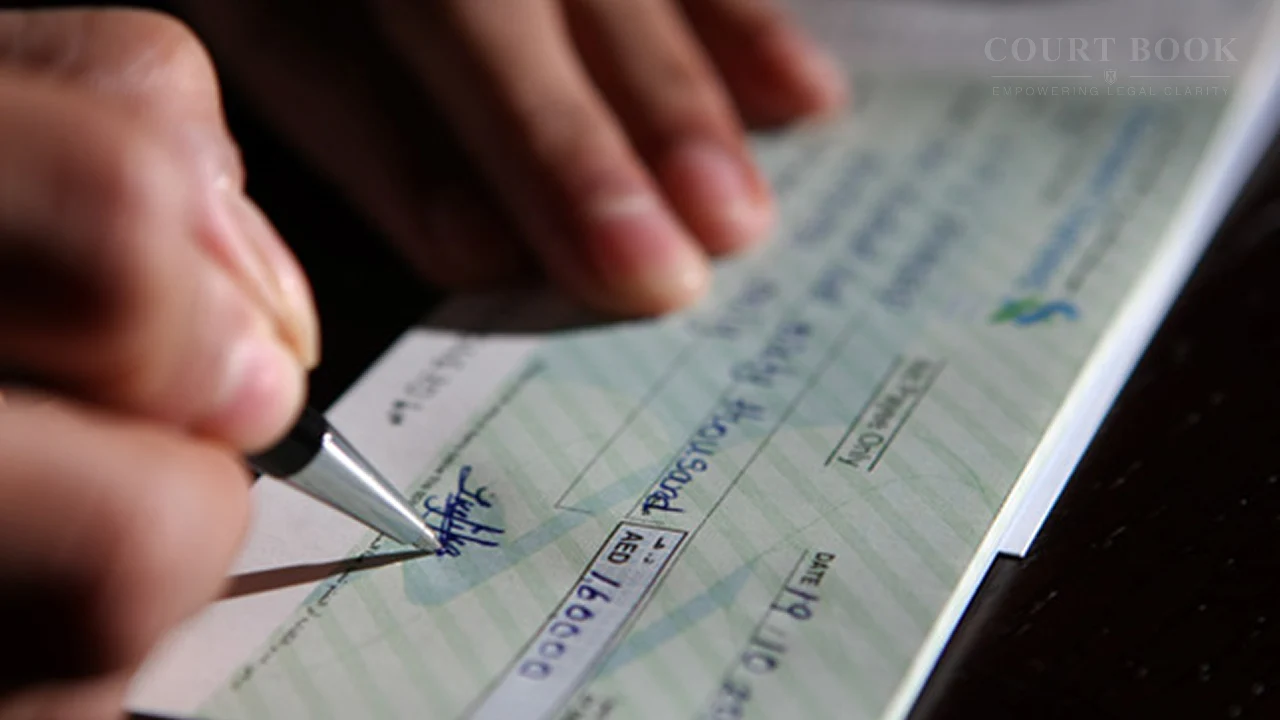
The Kerala High Court has refused to interfere with the conviction of a former managing director in a long-running cheque dishonour case, bringing closure to a dispute that began with unpaid cement purchases more than a decade ago. Justice M.B. Snehalatha, delivering the order, found no legal or factual error in the earlier findings of the trial and appellate courts.
Background of the Case
The case arose from a business transaction between The India Cements Limited and J & A Foundations Pvt. Ltd., a company that later went into liquidation. According to the complainant, the accused company had purchased cement on credit as part of its regular commercial dealings.
To clear part of the outstanding dues, three cheques of ₹2 lakh each were issued in 2011. All three cheques, drawn from the company’s bank account, were returned unpaid with the endorsement “funds insufficient.”
After receiving the bank’s dishonour memos, the complainant issued a statutory legal notice demanding payment. Though the notice was acknowledged and a reply was sent, the amount was never paid. This led to the filing of a complaint under Section 138 of the Negotiable Instruments Act, which deals with cheque bounce offences.
Trial and Appeal History
The Judicial First Class Magistrate Court in Ernakulam found both the company and its managing director guilty. The managing director was sentenced to one year of simple imprisonment and directed to pay ₹6 lakh as compensation.
On appeal, the Sessions Court upheld the conviction but softened the punishment. The jail term was reduced to imprisonment till the rising of the court, while the compensation amount was left untouched.
Unhappy with this outcome, the managing director approached the High Court through a criminal revision petition, arguing that the courts below had misread the evidence and wrongly fastened liability on him.
Court Observations
Justice Snehalatha examined the evidence in detail, including the testimony of the complainant’s witness and the documentary record. The court noted that the accused himself had admitted several key facts.
“The revision petitioner has categorically admitted that he was the managing director and was in charge of the day-to-day affairs of the company,” the court observed.
The judge also pointed out that in the reply notice sent by the accused, there was a clear admission of both the transaction and the issuance of the cheques, along with a request for time to make payment.
Referring to Section 141 of the Negotiable Instruments Act, the court explained that directors and officers of a company can be held criminally liable if they were in charge of the company’s business at the time of the offence. In this case, the complaint had specifically stated that the managing director was responsible for the conduct of the company’s affairs, a requirement confirmed by Supreme Court precedent.
“The complainant has succeeded in establishing that the cheques were issued in partial discharge of a legally enforceable liability,” the bench said.
Decision
Finding no merit in the arguments raised by the revision petitioner, the High Court declined to interfere with the conviction or the modified sentence.
“The conviction and sentence passed against the accused stand confirmed,” the court held while dismissing the revision petition.
The trial court was directed to take steps to execute the sentence without delay.
Case Title: V. J. Joseph v. The India Cements Limited
Case No.: Criminal Revision Petition No. 92 of 2019
Decision Date: 23 January 2026


