

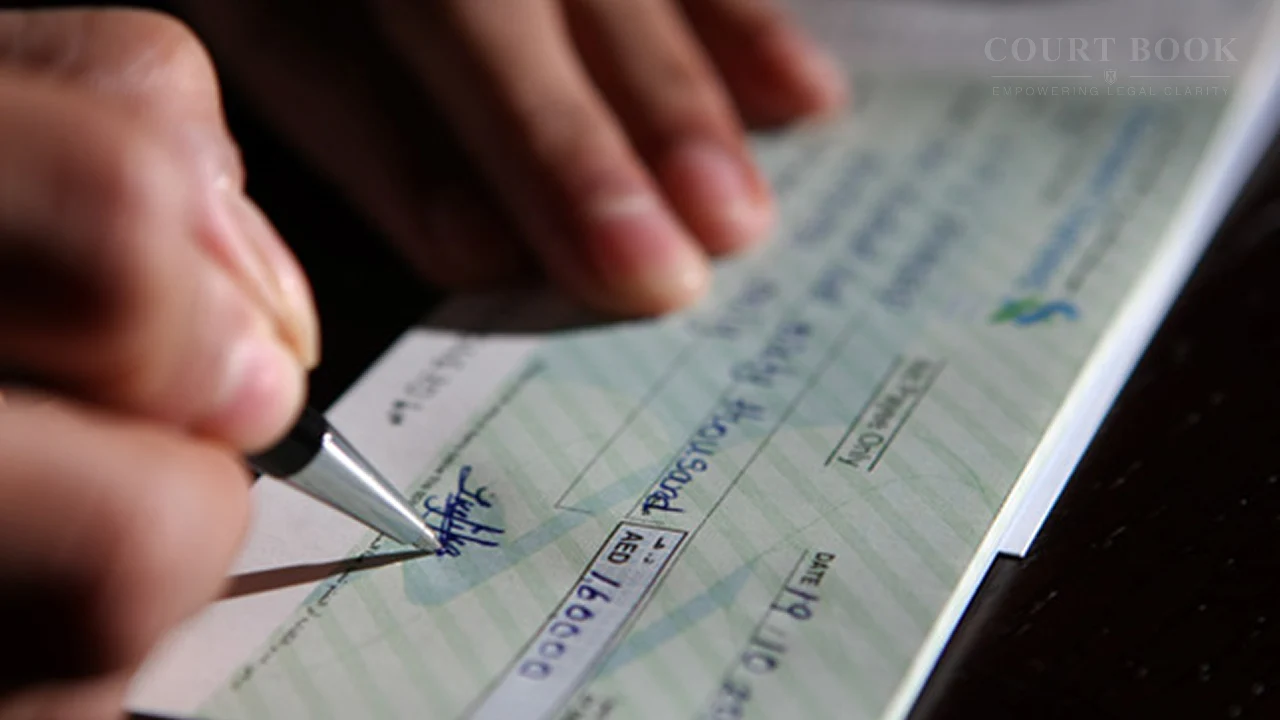
In a significant ruling on cheque bounce litigation, the Madras High Court has restored a criminal complaint that was earlier dismissed due to delay. The Court held that technicalities should not override substantial justice, especially when the delay was linked to the ill health of the complainant’s authorised officer.
The order was passed by Justice M. Nirmal Kumar while hearing a criminal revision filed by a Tiruppur-based finance company.
Read also:- 'Stop Treating Courts as Battlefields': Supreme Court on Rising Matrimonial Litigation
Background of the Case
The case arose from a cheque bounce complaint filed by M.R.P. Finance, represented by its manager, against M. Venkatachalam, a borrower from Tiruppur.
According to the complainant, the accused had taken loans for business purposes and issued a cheque for ₹6 lakh towards repayment. When the cheque was presented for encashment, it was dishonoured.
Although the company initiated legal proceedings under Section 138 of the Negotiable Instruments Act, the complaint was filed with a delay of 100 days.
To explain the delay, the finance firm submitted that its then manager, K.S. Kumarraj, was seriously ill and unable to take timely legal steps.
However, the Judicial Magistrate Court in Tiruppur dismissed the delay condonation plea in 2021, stating that no proper explanation was offered for each day’s delay.
Read also:- Compassionate Appointment Meant to Ease Hardship, Not Blocked by Age: Allahabad HC
Arguments Before the High Court
Challenging this order, the finance company approached the High Court.
Counsel for the petitioner argued that:
• The cheque and signature were not disputed by the accused.
• The delay occurred due to the serious illness of the company’s manager.
• The manager later passed away in 2022, confirming his poor health.
• The trial court rejected the case on technical grounds without allowing a full trial.
The defence, represented through legal aid, opposed the plea and contended that:
• No medical records were produced earlier.
• The delay was not properly explained.
• The magistrate had rightly dismissed the complaint.
Read also:-Counsel’s Non-Appearance Not Litigant’s Fault: MP High Court Allows Rehearing of Ex-Parte Appeal
Court’s Observations
After examining the records, the High Court took a practical view of the matter.
“The purpose of introducing the proviso to Section 142 of the Negotiable Instruments Act is to ensure that genuine cases are not thrown out on technical grounds,” the Court observed.
Justice Nirmal Kumar noted that:
• The death certificate of the former manager showed prolonged illness.
• The cheque transaction and signature were not disputed.
• A full-fledged trial was necessary to decide the merits of the case.
The Court further observed that dismissing the complaint at the threshold would amount to short-circuiting the judicial process.
Read also:-Delhi HC Orders Audit of Court Staff Vacancies, Declines FIR After Saket Court Ahlmad’s Suicide
Final Decision
Allowing the criminal revision, the High Court:
• Set aside the earlier order of the Judicial Magistrate
• Condoned the 100-day delay in filing the cheque bounce complaint
• Directed the trial court to take the complaint on file and proceed in accordance with law
“The complaint deserves to be decided after hearing both sides in a full trial,” the bench said while allowing the plea.
The Court also appreciated the assistance of the Legal Aid Counsel and directed payment of remuneration through the Tamil Nadu State Legal Services Authority.
Case Title: M.R.P. Finance vs M. Venkatachalam
Case Number: CRL.R.C. No. 1107 of 2022
Decision Date: 19 January 2026
Download Judgment

