The Rajasthan High Court has ruled that a woman married under the traditional Nata Vivah system is legally entitled to receive family pension after the death of her husband, a retired government employee.
The court made it clear that customary marriages, when recognised by law, cannot be ignored by pension authorities merely due to lack of nomination in official records .
Background of the Case
The case was filed by Ram Pyari Suman, who claimed family pension after the death of her husband, Puran Lal Saini, a retired Patwari. Saini passed away in December 2020.
Read also:- No Prosecution Without Govt Complaint: Kerala HC Quashes Case Against Notary Public
The pension department rejected her request, stating that her name was not recorded as a family member and that she had described herself as a “Nata wife,” which, according to the authorities, did not qualify as a valid marriage.
Ram Pyari argued that she married Saini after the death of his first wife and that a daughter was born from the marriage. She also pointed out that during his lifetime, Saini had paid her maintenance under orders passed by the Family Court.
Court’s Observations
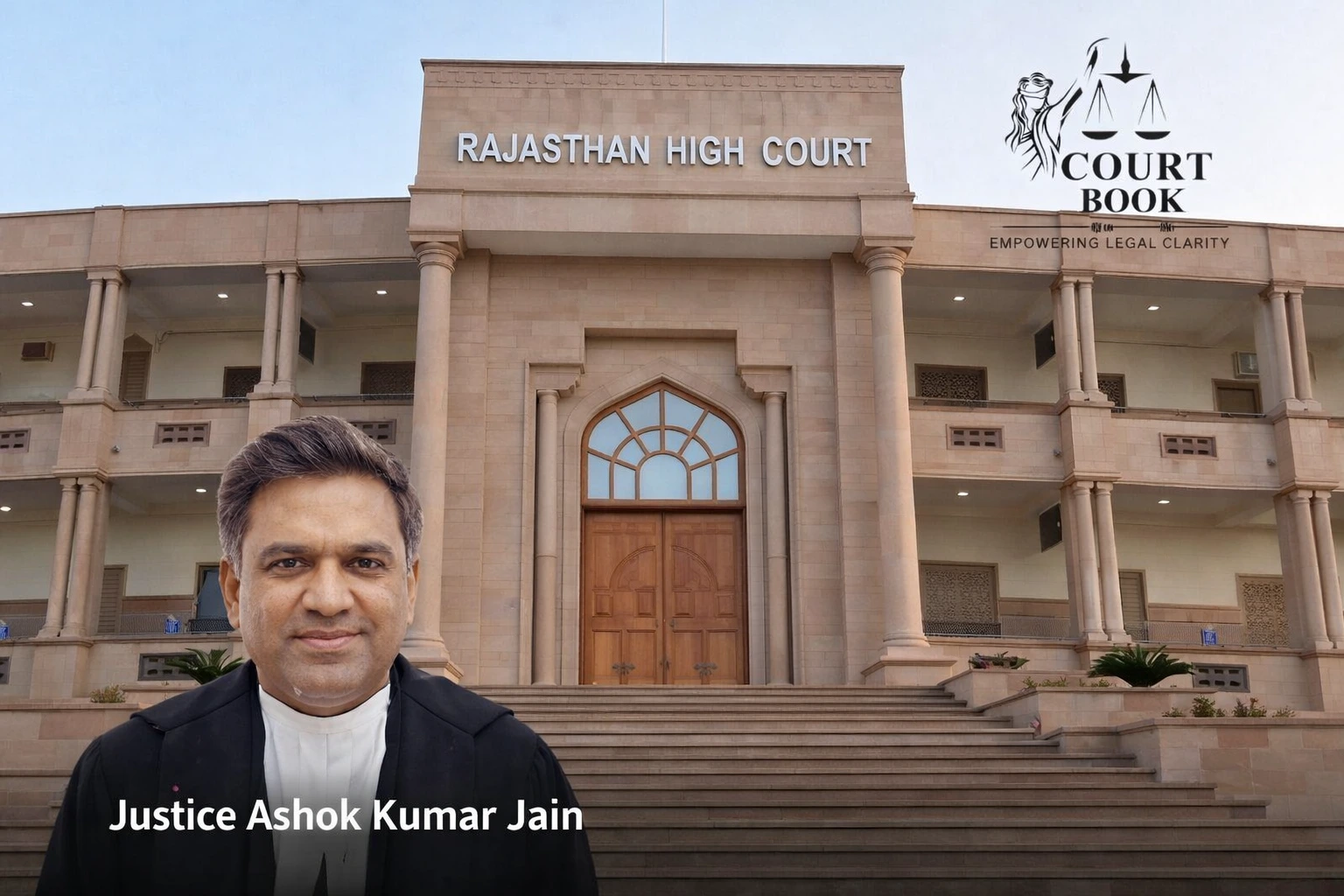
Justice Ashok Kumar Jain examined earlier Family Court orders where Saini himself had admitted Ram Pyari as his wife while seeking proceedings under Sections 125 and 127 of the Criminal Procedure Code. The judge noted that these admissions formed part of judicial records and carried strong evidentiary value.
Read also:- Delhi High Court Refuses to Suspend Kuldeep Sengar's Sentence in Unnao Victim's Father Custodial Death Case
The court also discussed Nata Vivah, a customary practice prevalent in rural Rajasthan. It observed that Section 7 of the Hindu Marriage Act recognises such marriages when performed according to community customs.
“The evidence on record clearly shows that the deceased government servant acknowledged the petitioner as his wife and accepted responsibility towards their child,” the court observed.
Rejecting the government’s argument on the absence of nomination, the court relied on earlier judgments which held that a legally wedded wife cannot be denied pensionary benefits merely due to non-entry in service records.
Read also:- Bombay High Court Sets Aside ₹20,000 Maintenance Order, Flags Gaps in Wife’s Income Disclosure
Final Decision
Allowing the writ petition, the Rajasthan High Court directed the state authorities to treat Ram Pyari Suman as the legally wedded wife of the deceased employee.
The court ordered that she be recognised as a lawful beneficiary and granted entitlement to family pension under Rule 66 of the Rajasthan Civil Services (Pension) Rules, 1996.
No order as to costs was passed
Case Title: Ram Pyari Suman v. State of Rajasthan & Others
Case Number: S.B. Civil Writ Petition No. 17330/2022
Download Order