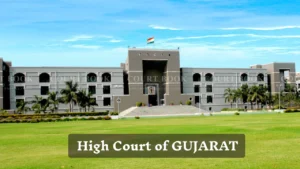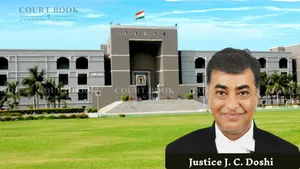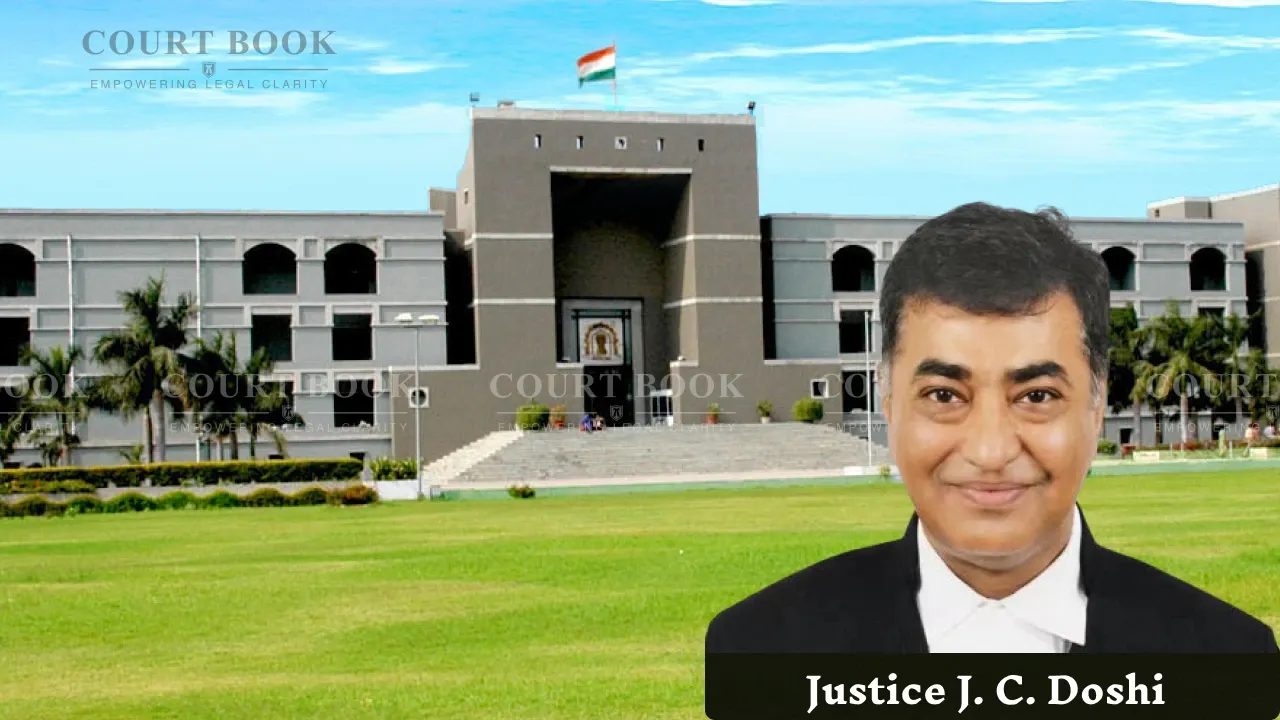
The Gujarat High Court has held that different trustees cannot reopen an identical trust property dispute when they are litigating under the same representative title and the issue has already been conclusively decided by a competent court. Dismissing a first appeal filed by the trustees of Agrawal Samaj Trust, Dahod, Justice J. C. Doshi ruled that the doctrine of res judicata barred the fresh proceedings because the earlier judgment had attained finality after the connected appeal abated.
Background of the Case
The dispute revolved around several plots of land which the appellants claimed had been purchased using the trust's funds. They sought directions declaring the properties as trust assets, requested that the properties be entered in the trust records, and asked the court to restrain their transfer without prior statutory permission. The trustees also sought the handover of financial records and original property documents allegedly connected with the trust.
The trust application (treated as a suit under Section 50 of the Act) was dismissed by the District Court.. Challenging that decision, the trustees approached the High Court through a first appeal under Section 72(4) of the Bombay Public Trust Act, 1950.
Court's Observations
Before the High Court, the appellants argued that the District Court had incorrectly applied the doctrine of res judicata by treating the earlier decision as conclusive. They contended that the earlier appeal concerning the same property had abated after the death of one trustee and, therefore, the earlier judgment had not attained finality. They further argued that the parties in the two trust applications were different trustees, making the doctrine of res judicata inapplicable.
The respondents, however, maintained that the ownership issue had already been settled in a previous trust application, where the District Court had concluded that the disputed properties were purchased from the respondents' personal funds rather than trust money. Since that decision remained undisturbed after the connected appeal abated, they argued that the matter had attained finality.
Justice Doshi agreed with the respondents. The Court noted that although the individual trustees involved in the two proceedings were different, both had litigated in the same representative capacity as trustees of the trust. Therefore, they were considered to be litigating under the same title for the purpose of applying res judicata.
The bench observed,
“The issue in dispute since has been judged by the competent Court in previous decision, it prevents/stops Court from trying new suit or issue that has already been directly & substantially decided in former suit between same party or between the party under whom they or any one of them litigating under same title.”
The Court further held that after the earlier appeal was disposed of as abated and no other trustee stepped forward to continue it, the previous judgment attained finality.
Decision
Relying on the settled principles governing res judicata and the Supreme Court's decision in Sri Gangai Vinayagar Temple v. Meenakshi Ammal, the High Court concluded that the District Court had committed no legal error in dismissing the trust application. Accordingly, the first appeal was dismissed.
The Court also rejected the appellants' request to suspend the operation of the judgment for four weeks to enable them to approach a higher forum.
Case Details
Case Title: Madanlal Radhelal Bansal & Ors. v. Agrawal Samaj Trust Dahod & Ors.
Case Number: R/First Appeal No. 2292 of 2018
Judge: Hon'ble Mr. Justice J. C. Doshi
Decision Date: 4 August 2026