

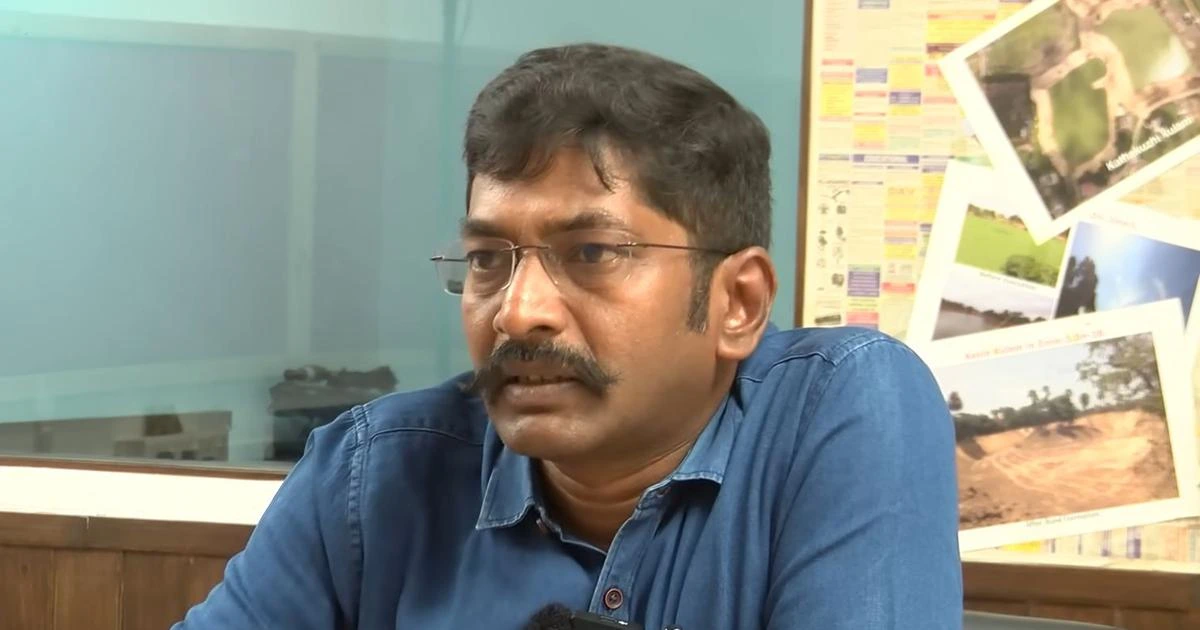
The Supreme Court on Thursday (January 22, 2026) set aside key directions issued by the Madras High Court in a case involving journalist A. Shankar, popularly known as Savukku Shankar, holding that courts cannot compel police to file charge sheets or rush criminal trials. The apex court said such orders amount to an improper use of writ jurisdiction and may seriously affect a fair investigation.
Background of the Case
Savukku Shankar had approached the Madras High Court alleging misuse of power by the Chennai Police. He claimed multiple false cases were being registered against him and sought protection from what he described as targeted harassment.
Read also:-Supreme Court Backs NCLAT in Gloster Trademark Dispute, Denies Title Claim to Resolution Applicant
At the time, Shankar was facing 37 criminal cases. Charge sheets had already been filed in 24 cases, while investigations were pending in 13 others. He had also complained that his representations to authorities were not being acted upon.
While dismissing his writ petition, the High Court went a step further. It directed the police to complete investigations in the pending cases within four months and asked trial courts to finish trials in six months.
What the Supreme Court Said
A bench of Justice Dipankar Datta and Justice Satish Chandra Sharma took serious exception to these directions.
“The appellant has been placed in a worse position for having approached the court,” the bench observed.
The court noted that while the High Court was justified in rejecting the plea, it should not have issued directions that interfered with the investigative process. Ordering police to file charge sheets within a fixed time, the court said, amounts to pressuring investigators and violates settled legal principles.
Referring to earlier judgments, the bench reiterated that courts cannot dictate how or when an investigation should conclude. “The discretion to file a charge sheet lies solely with the investigating officer, based on material collected,” the court noted.
On Trial Deadlines and Police Independence
The Supreme Court also disapproved of the High Court’s direction to conclude trials within six months without assessing their stage or complexity.
Such directions, it said, could derail fair trials. “A writ court cannot compel completion of investigation or trial in a mechanical manner,” the bench remarked.
The judges stressed that interference of this nature undermines the statutory scheme of criminal law and places undue pressure on police and trial courts.
Read also:-Notice Issued Before Cognizance Set Aside by Gauhati High Court in Cheque Case
Final Decision of the Court
Allowing the appeal in part, the Supreme Court:
• Set aside paragraphs directing filing of charge sheets and time-bound trials
• Cancelled charge sheets filed solely due to the High Court’s directions
• Restored the independence of investigating officers to act as per law
• Clarified that ongoing investigations may continue without influence
• Allowed trial courts to proceed independently in accordance with law
However, the court did not interfere with the dismissal of the original writ petition.
“The directions issued by the High Court were unwarranted and liable to be deleted,” the bench held while disposing of the appeal.
Case Title: A. Shankar @ Savukku Shankar vs State of Tamil Nadu
Case No.: Criminal Appeal arising out of SLP (Crl.) No. 19727 of 2025
Decision Date: January 16, 2026
Download Order

