The Supreme Court on Monday (15 June) declined to grant anticipatory bail to an RTI activist accused of interfering with a government road construction project in Punjab. During the hearing, the Court made strong observations on what it described as the growing trend of “RTI activism” being used to obstruct public work.
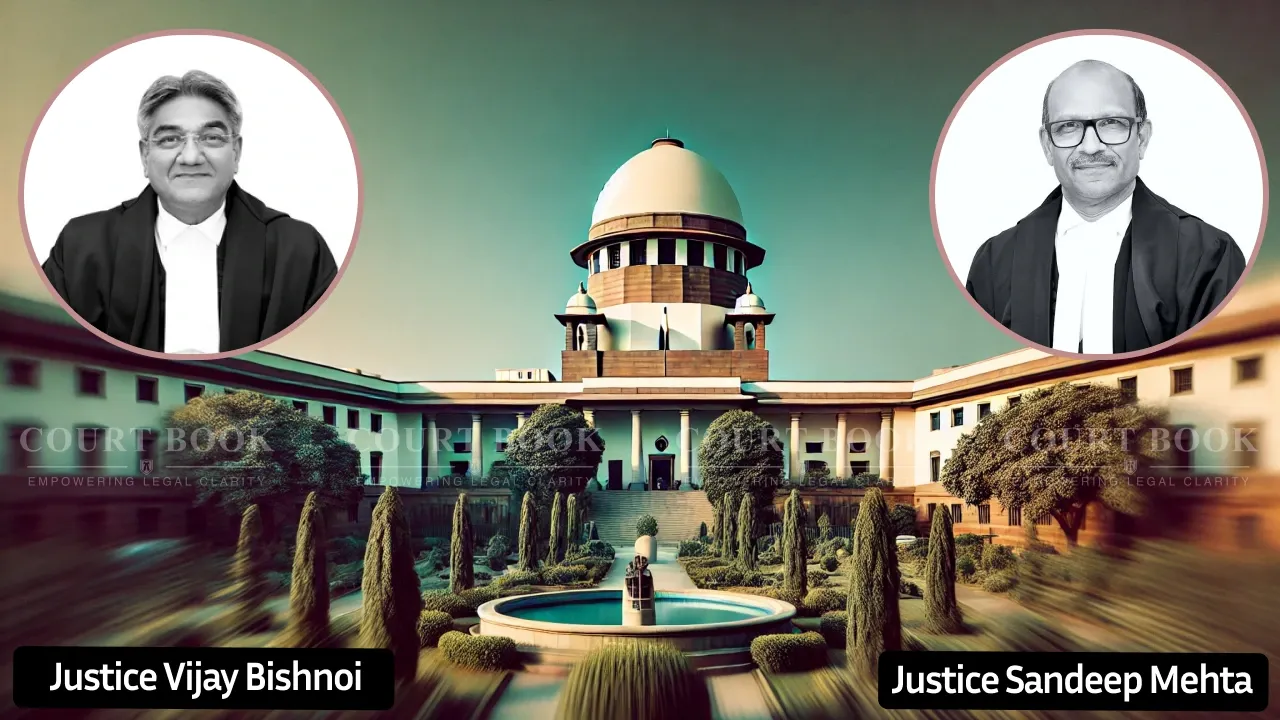
The matter was heard by a Bench of Justice Sandeep Mehta and Justice Vijay Bishnoi.
Background of the Case
The case arose from an FIR registered at Batala City Police Station in February 2026. According to the prosecution, the accused, Ramesh Kumar Behl, along with another individual, allegedly obstructed an ongoing road construction project, intimidated workers and officials present at the site, and disrupted government work.
The FIR also alleges that the complainant suffered injuries during the incident and that caste-based derogatory remarks were made against certain labourers. Various provisions of the Bharatiya Nyaya Sanhita (BNS) and the Scheduled Castes and Scheduled Tribes (Prevention of Atrocities) Act were invoked.
The accused, however, claimed that he had raised concerns regarding alleged irregularities in the construction work and was being falsely implicated because of his efforts to expose corruption.
During the hearing, the Bench questioned the petitioner’s role in monitoring the project.
Justice Vijay Bishnoi remarked,
“Who are you to monitor the construction of roads? Are you some superior authority?”
Justice Sandeep Mehta was more direct, observing,
“RTI activists have become a new business. Central government has issued funds, it will take care of the construction of road. You are nobody. So-called RTI activist.”
The Court indicated that allegations relating to the quality of construction or use of public funds were matters for the competent authorities to examine and not for private individuals to enforce by obstructing work at the site.
The Punjab and Haryana High Court had earlier refused anticipatory bail, noting that the allegations in the FIR specifically pointed to obstruction of government work and direct involvement of the accused in the incident.
Finding no reason to interfere with the High Court’s order, the Supreme Court dismissed the plea for anticipatory bail.
Case Details
Case Title: Ramesh Kumar Behl v. State of Punjab
Case Number: SLP (Crl.) No. 10257/2026 (Diary No. 32358/2026)
Bench: Justice Sandeep Mehta and Justice Vijay Bishnoi
Decision Date: June 15, 2026



 chief. Eknath Shinde – Shiv Sena leader-300x169.webp)
-300x169.webp)
-300x169.webp)
-300x169.webp)
-300x169.webp)