

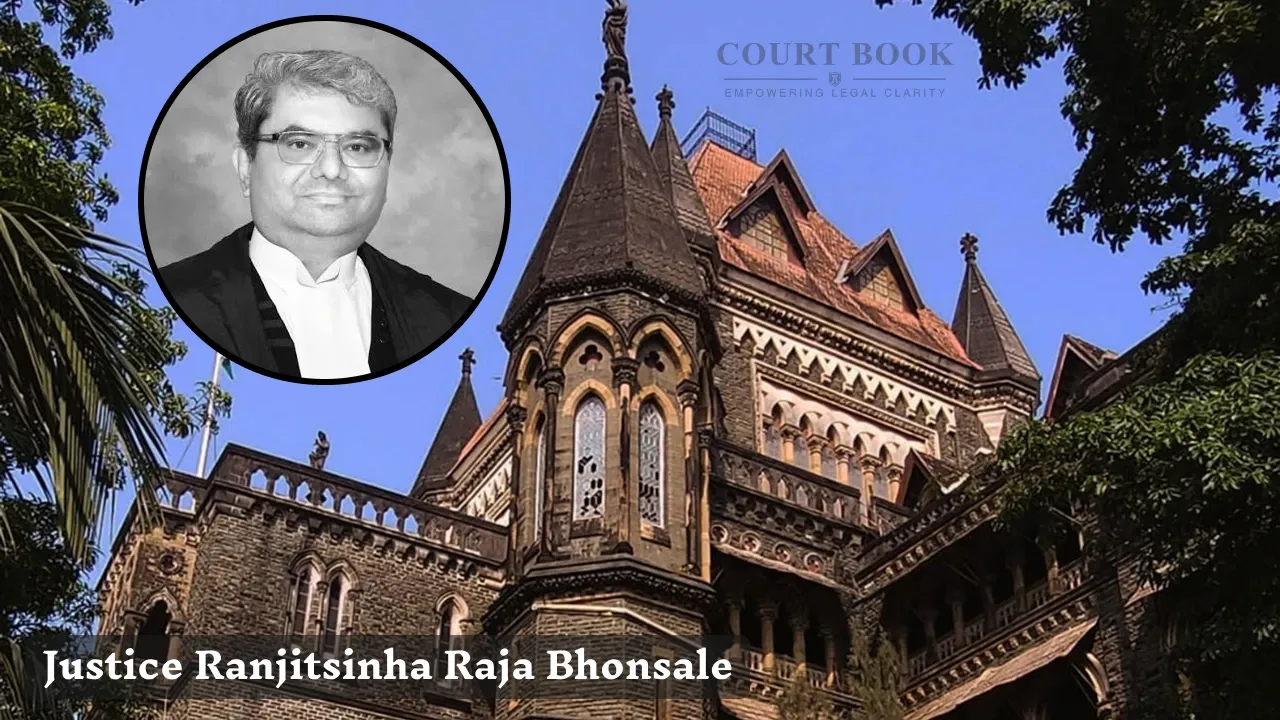
The Bombay High Court has refused to quash criminal proceedings against a woman accused of concealing her subsisting first marriage before marrying another man, holding that the allegations against her disclose a prima facie case requiring trial. At the same time, the Court granted relief to her mother and brother, observing that the allegations against them were vague and insufficient to justify prosecution.
Background of the Case
The case arose from an FIR lodged in 2017 by the mother of the woman's second husband. According to the complaint, the woman met the complainant's son through an online matrimonial platform and married him in September 2015. It was later alleged that she had not disclosed her earlier marriage, which was still legally subsisting at the time.
The complainant further alleged that the woman misrepresented her marital status as "unmarried" while registering the marriage and later demanded ₹25 lakh from her husband, accompanied by threats. The FIR invoked offences relating to cheating, bigamy, concealment of an earlier marriage, extortion, criminal intimidation and other provisions of the Indian Penal Code.
The petitioners argued that the FIR was merely a counterblast to criminal proceedings earlier initiated by the woman against her husband and his family. They contended that the allegations did not constitute the offences alleged and that the demand for money could not automatically be treated as extortion.
Court's Observations
Justice Ranjitsinha Raja Bhonsale examined the sequence of events, including earlier maintenance proceedings, matrimonial litigation and the Family Court's declaration that the second marriage was void because the woman's first marriage had not been legally dissolved.
The Court observed that the material on record indicated that the first marriage was subsisting when the second marriage was solemnised. It also noted that the petitioner had described herself as unmarried on the matrimonial website and in the marriage registration application despite the earlier marriage.
Rejecting the argument that the demand of ₹25 lakh was merely a claim for alimony, the Court remarked:
"The Petitioner now cannot term her conduct of demanding Rs.25 lacs as a demand of alimony. In my opinion, the argument is preposterous, totally untenable and surprising."
The Court further held that the allegations against the woman, if accepted at face value, disclosed a prima facie case and therefore did not warrant the exercise of inherent powers to quash the proceedings.
However, while assessing the role of the woman's mother and brother, the Court found no specific allegations connecting them with the alleged offences of cheating or extortion.
The bench observed:
"It is not uncommon, for the relatives and dear ones to be roped into criminal proceedings on the basis of generalized and vague allegations."
According to the Court, such omnibus allegations were insufficient to continue criminal prosecution against them.
Decision
Partly allowing the writ petition, the Bombay High Court quashed the FIR and the consequential chargesheet only insofar as they related to the woman's mother and brother. The petition filed by the woman herself was dismissed, and the criminal proceedings against her and the remaining accused were directed to continue in accordance with law.
Case Details:
Case Title: Swati Raosaheb More (Swati Sunny Dimber) & Ors. vs. State of Maharashtra & Anr.
Case Number: Criminal Writ Petition No. 2578 of 2018
Judge: Justice Ranjitsinha Raja Bhonsale
Decision Date: 10 June 2026


