

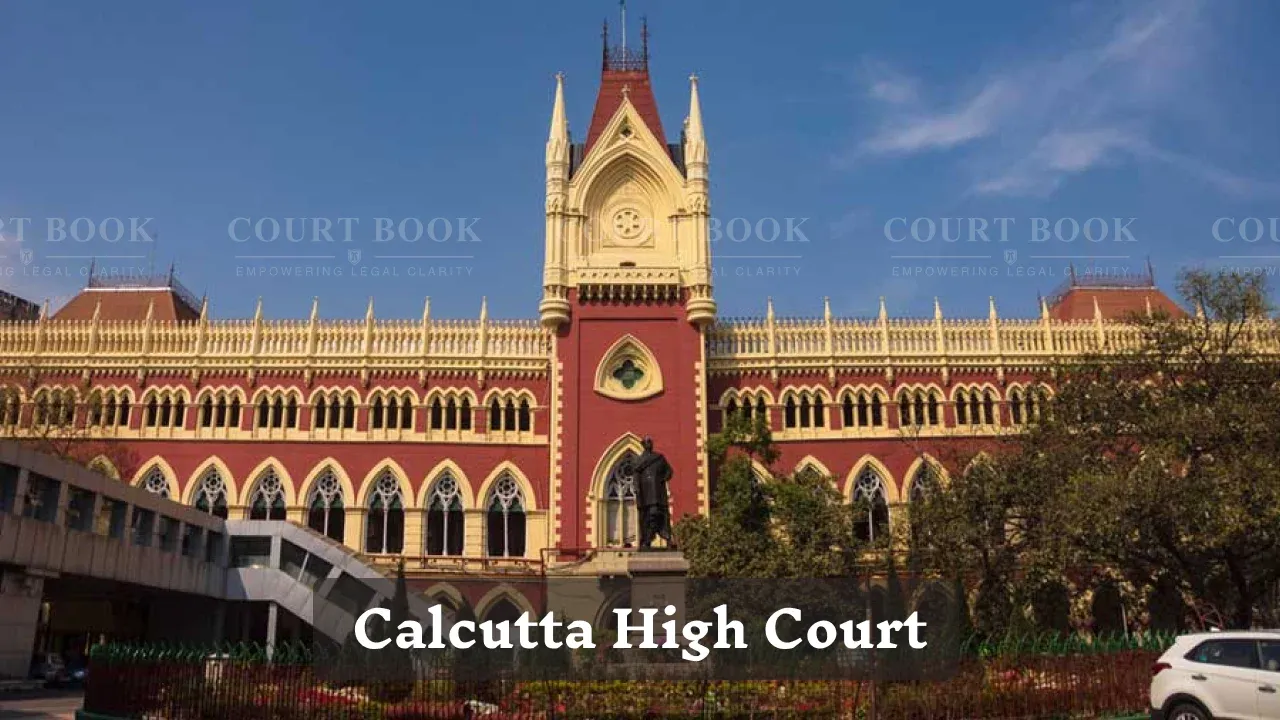
The Calcutta High Court has quashed the West Bengal Government's decision to dissolve the Purulia Municipality Board of Councillors, holding that the action violated the principles of natural justice. The Court ruled that the elected Board was not supplied with key materials relied upon by the State before passing the dissolution order, depriving it of a fair opportunity to defend itself.
Background of the Case
The petitions were filed by elected councillors Rabishankar Das and Nabendu Mahali, challenging a show-cause notice dated November 19, 2025, and the Governor's order dated December 16, 2025 dissolving the Purulia Municipality Board under Section 431 of the West Bengal Municipal Act, 1993. The Governor had also appointed the Sub-Divisional Officer, Purulia Sadar, as Administrator to manage the municipality.
The petitioners argued that the State acted without following the statutory procedure and relied on undisclosed documents, including a mass complaint and a District Magistrate's inquiry report, while deciding to dissolve the elected body.
Court's Observations
Justice Raja Basu Chowdhury closely examined Section 431 of the West Bengal Municipal Act, which permits dissolution of a municipal board only if the State first forms an opinion that the Board has shown "gross neglect" in performing its statutory duties.
The Court observed that such an opinion must exist before issuing a show-cause notice. However, during the hearing, the State itself submitted that its opinion was formed after receiving the District Magistrate's report dated December 9, 2025. Since the show-cause notice had been issued nearly three weeks earlier, on November 19, 2025, the Court found this sequence legally unsustainable.
The Court further noted that the dissolution order relied heavily on the District Magistrate's report, but the report was never supplied to the Board of Councillors.
Observing the violation of procedural fairness, the bench said,
"The decision was thus, based on materials which were neither disclosed, nor supplied to the Board of Councillors."
It added that the councillors were denied a meaningful opportunity to respond before such a drastic action was taken.
Justice Chowdhury also held that if the District Magistrate's report was indeed the basis for forming the State's opinion, the show-cause proceedings themselves could not legally stand because that report did not exist when the notice was issued.
Decision
Holding that the proceedings suffered from a clear breach of natural justice, the High Court set aside the Governor's December 16, 2025 order dissolving the Purulia Municipality Board. It also quashed the consequential appointment of the Administrator and the subsequent extension of that appointment.
The Court clarified that no special liberty was required for the State to proceed in accordance with law in the future and disposed of both writ petitions.
Case Details:
Case Title: Rabishankar Das v. State of West Bengal & Ors. (With Nabendu Mahali v. State of West Bengal & Ors.)
Case Number: WPA 11873 of 2026 with WPA 12102 of 2026
Judge: Justice Raja Basu Chowdhury
Decision Date: 23 June 2026


