

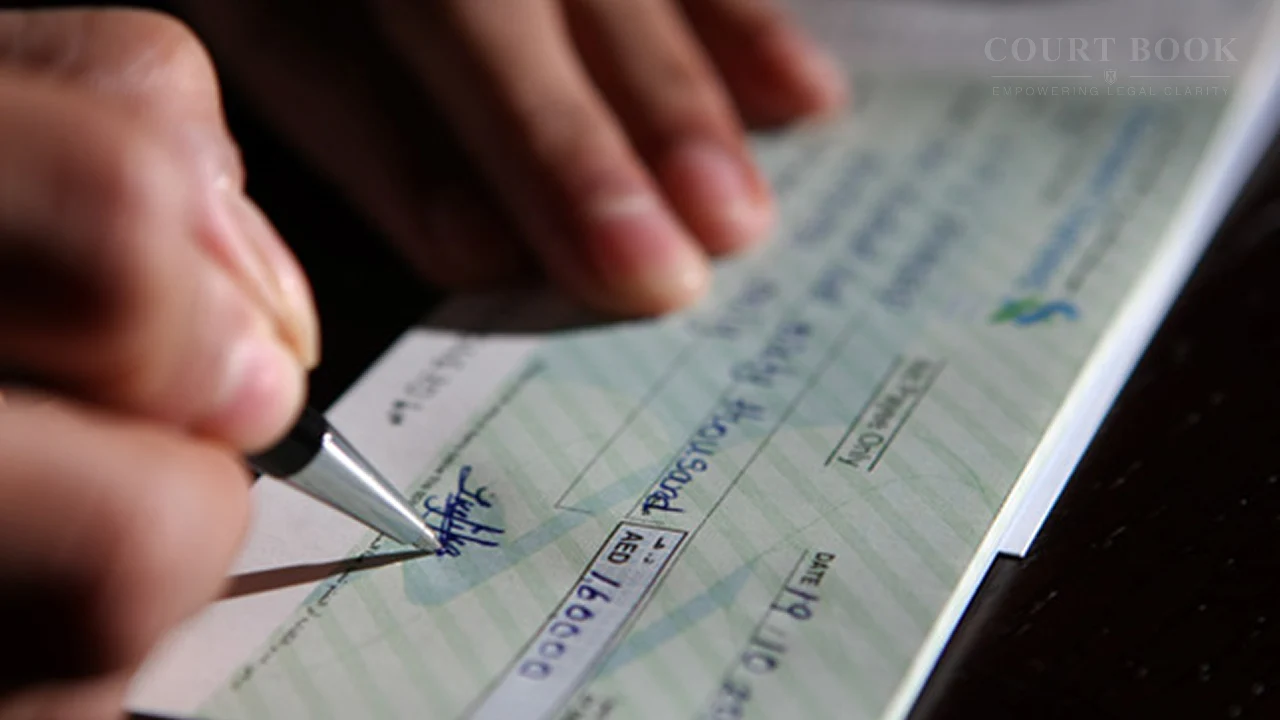
The Kerala High Court has dismissed a plea seeking to set aside a conviction in a cheque bounce case, holding that the accused had voluntarily admitted guilt after understanding the consequences.
Background of the Case
The case arose from a complaint under Section 138 of the Negotiable Instruments Act, 1881, filed by a woman from Lakshadweep against the accused, Yahya Khan N. The trial court at Amini had earlier convicted him and sentenced him to imprisonment till the rising of the court, along with a direction to pay ₹6 lakh as compensation.
The accused later approached the High Court, arguing that his guilty plea was not properly recorded and that he did not fully understand its legal consequences.
Before the High Court, the petitioner claimed that his lawyer was absent during the trial proceedings and that he pleaded guilty without comprehending the implications. He also alleged that the Magistrate had not followed the required procedure under criminal law while recording his plea.
On these grounds, he sought to quash the conviction and sentence.
The complainant opposed the plea, stating that the accused had appeared with legal representation and had voluntarily chosen to plead guilty. It was argued that the court had clearly explained the accusations, and the petitioner had even requested time to pay compensation, which was granted.
The Magistrate also submitted a report confirming that due procedure was followed, and the plea was recorded after proper explanation.
Justice C.S. Dias examined the trial court records and the Magistrate’s report in detail. The Court noted that in summary trials like cheque bounce cases, it is sufficient to explain the substance of the accusation without framing a formal charge.
“The particulars of the offence were read over to the petitioner, who pleaded guilty, and his plea was recorded,” the Court observed.
The judge also pointed out that the accused had not raised any objection immediately after the conviction and had approached the High Court only after coercive steps were initiated for recovery of compensation.
Importantly, the Court remarked that the petitioner, being an educated individual, could not claim ignorance about the consequences of pleading guilty.
Finding no procedural error or illegality in the trial court’s judgment, the High Court held that there was no reason to interfere with the conviction or sentence.
“The Crl.M.C. is meritless and only deserves to be dismissed,” the Court concluded.
Accordingly, the petition was dismissed.
Case Details:
Case Title: Yahya Khan N vs Sainaba T.P. & Anr.
Case Number: CRL.MC No. 10511 of 2025
Judge: Justice C.S. Dias
Decision Date: 16 February 2026
Download Order

