

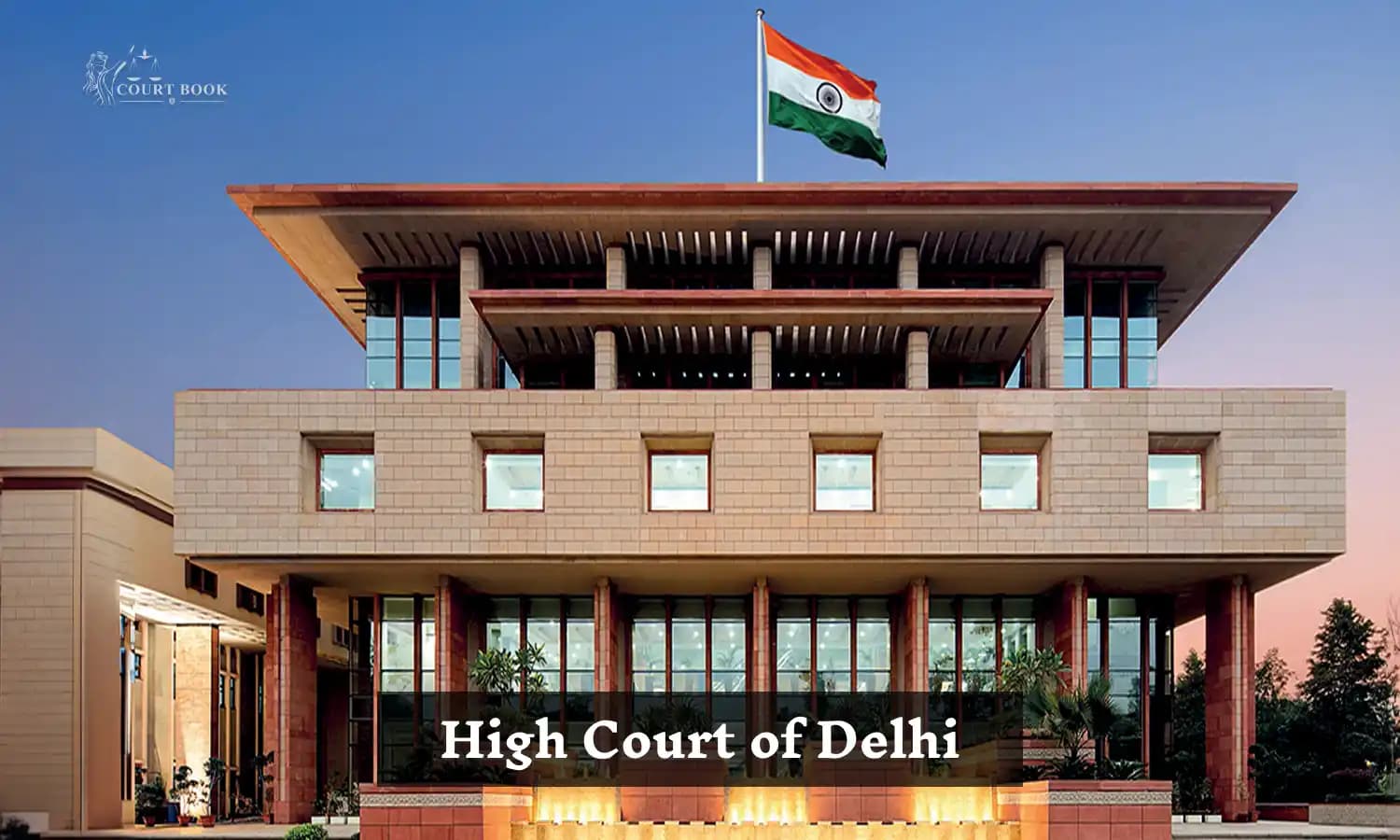
The Delhi High Court has directed Kwick Living (I) Private Limited to pull down and remove advertisements forming part of its “War on What’s Hidden” campaign targeting Hindustan Unilever Limited’s VIM and SURF EXCEL products. Justice A. J. Bhambhani held that the campaign, at the interim stage, crossed the permissible limits of comparative advertising.
Background of the Case
Hindustan Unilever Limited (HUL) approached the court seeking an interim injunction against the campaign. HUL alleged that the advertisements used its products, trademarks and packaging while linking ingredients such as Benzisothiazolinone (BIT) and Linear Alkylbenzene Sulfonate (LAS) with skin irritation and allergic reactions.
The campaign also promoted Kwick Living’s BECO products and urged consumers to “SWITCH TO BECO”. The court noted that the advertisements were circulated through digital platforms and other formats.
Kwick Living defended the campaign by arguing that comparative advertising is legally permissible and that the statements concerning BIT and LAS were based on available material. Both sides relied on laboratory reports, but disputed the testing methods and conclusions.


Court’s Observation
The court said that the scientific material could not be conclusively examined at the interim stage and would require expert evidence during trial. However, it examined the overall impression created by the advertisements from the standpoint of an average consumer.
The court found that the campaign did not present the statements about BIT and LAS in isolation. According to the judgment, their combination with visuals of HUL’s products conveyed the impression that using those products could cause skin irritation, redness, itching or eczema.
“The impugned campaign prima facie falls foul of the above caveats and qualifications, and thereby fails the test of permissible comparative advertising.”
The court clarified that comparative advertising itself is not unlawful. However, it cannot rely on statements that are untruthful, misleading or deceptive in their overall effect.
Decision
The court found that HUL had established a prima facie case, that the balance of convenience favoured HUL, and that continued circulation of the campaign could cause irreparable harm.
Kwick Living was directed to pull down, remove and recall the advertisements containing the offending statements within one week and file an affidavit of compliance within the following week.
The restraint was limited to the impugned campaign and did not prevent Kwick Living from carrying out otherwise lawful comparative advertising.
Case Details
Case Title: Hindustan Unilever Limited v. Kwick Living (I) Private Limited
Case Number: CS(COMM) 904/2026; I.A. 22515/2026
Judge: Justice A. J. Bhambhani
Decision Date: 10 September 2026



