

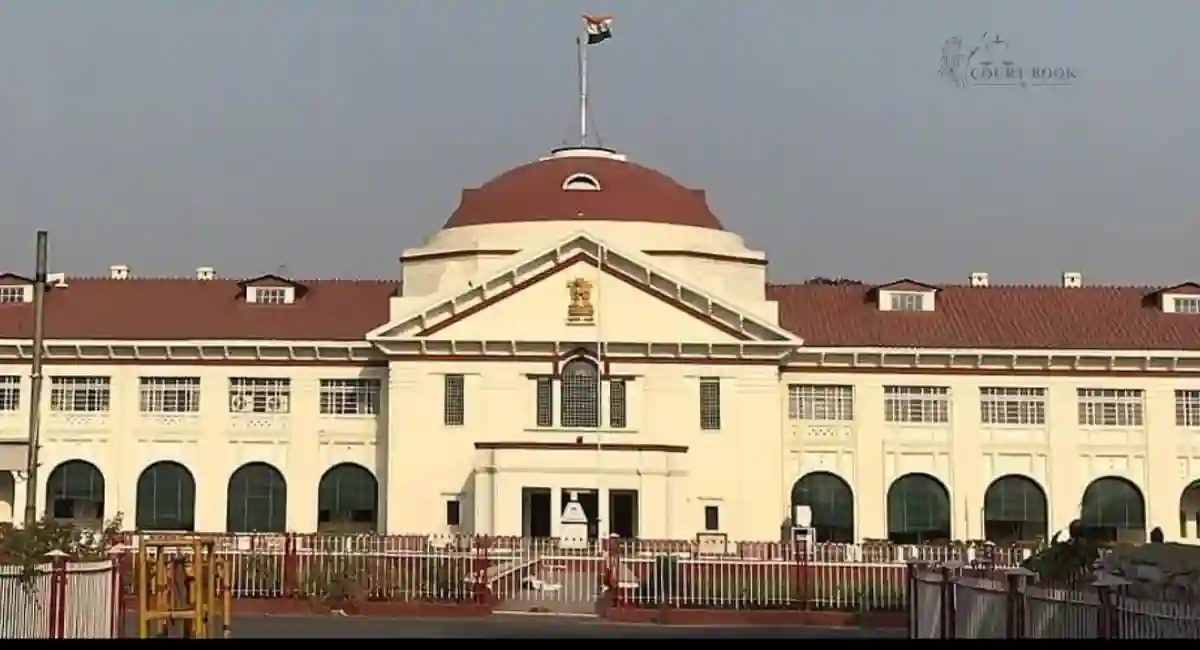
The Patna High Court has ruled that a Sessions Court does not have the authority to direct the Central Bureau of Investigation (CBI) to conduct an investigation while hearing an anticipatory bail application. Setting aside an order passed by a Sessions Judge in Kishanganj, the Court held that only constitutional courts—the Supreme Court and High Courts—can order a CBI investigation in appropriate cases.
Justice Jitendra Kumar delivered the judgment while allowing a writ petition filed by the CBI.
Background of the Case
The dispute arose from Kishanganj Police Station Case No. 257 of 2015, initially registered over allegations of assault and attempted murder. After the injured victim later died during treatment, the offence under Section 302 of the Indian Penal Code was added.
During the hearing of an anticipatory bail application filed by some accused persons, the Sessions Judge first directed the Intelligence Bureau to conduct an inquiry. When the Intelligence Bureau informed the court that it had no jurisdiction to investigate criminal cases, the Sessions Court modified its order and directed the CBI to carry out an independent investigation and submit a preliminary report.
The CBI challenged this direction before the Patna High Court, arguing that the Sessions Court had exceeded its legal powers.
Court's Observation
Justice Jitendra Kumar examined the constitutional scheme governing criminal investigations and the provisions of the Delhi Special Police Establishment Act, 1946. The Court observed that investigation of offences within a State primarily falls within the State's jurisdiction, and a CBI investigation can be ordered only in circumstances recognised by law.
Referring to several Supreme Court decisions, the Court reiterated that while High Courts and the Supreme Court possess constitutional powers to transfer investigations or direct a CBI probe, subordinate criminal courts do not enjoy such authority.
The bench observed:
“No District Court, be it Sessions Courts or Magisterial Court, has power to change Investigating Agency.”
The Court further noted that a Sessions Court, while exercising jurisdiction in a bail matter, is confined to deciding whether an accused deserves bail. It cannot pass directions that travel beyond the scope of those proceedings.
“The impugned order is not sustainable also on the ground that learned Sessions Court cannot pass order like the impugned one while exercising bail jurisdiction,” the Court observed.
Court's Decision
Allowing the CBI's writ petition, the Patna High Court set aside the Sessions Court's order dated 26 September 2017 directing the CBI to conduct an independent investigation.
However, the Court clarified that the legal representatives of the deceased victim remain free to seek a change of investigating agency or further investigation before a competent court in accordance with law.
Case Details
Case Title: The Central Bureau of Investigation v. State of Bihar & Others
Case Number: Criminal Writ Jurisdiction Case No. 239 of 2018
Judge: Justice Jitendra Kumar
Decision Date: 15 June 2026


