

Taking note of increasing reports of snake-bite deaths across Kerala, the Kerala High Court has ruled that local bodies cannot remain passive when overgrown vacant plots pose a threat to public safety. The Court directed a Grama Panchayat to immediately clear wild vegetation from a nearby abandoned property and held that such action cannot be delayed merely because the landowner has not been identified.
Background of the Case
The petition was filed by Gigi Varghese, a resident of Mavelikkara in Alappuzha district. He told the Court that a vacant plot next to his house had become heavily overgrown with grass and vegetation, creating a breeding ground for snakes and posing a serious risk to his family, including his elderly parents.
According to the petitioner, he had raised the issue through the Chief Minister’s grievance portal. While the Panchayat reportedly acknowledged the nuisance, it stated that no action could be taken until the owner of the property was identified through revenue records. The petitioner approached the High Court alleging continued inaction despite the danger.
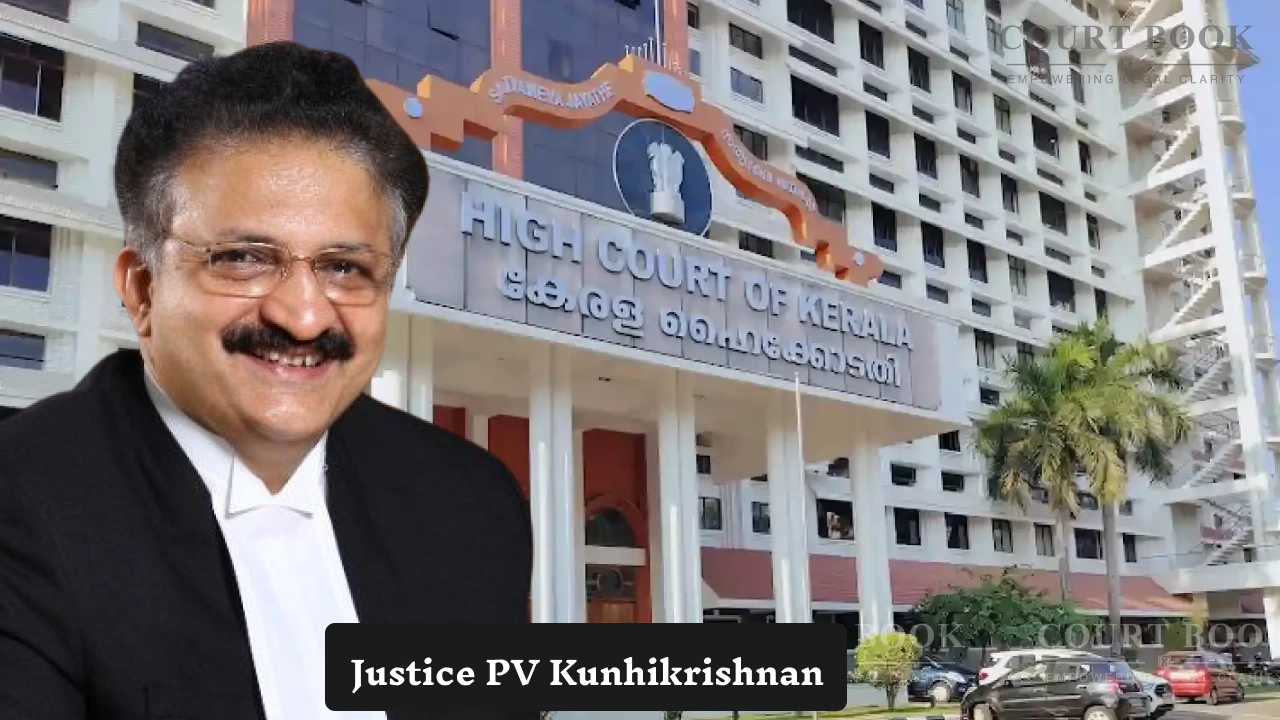
Justice P.V. Kunhikrishnan began the judgment by referring to frequent newspaper reports about snake-bite deaths and observed that unattended residential plots covered with wild growth often become ideal habitats for snakes.
The Court found the Panchayat’s stand unsatisfactory. It noted that waiting to identify the owner before taking action could expose residents to serious harm.
“The Panchayat should remove the nuisance stated by the petitioner in his adjacent property forthwith, without searching for the owner of the property,” the Court observed.
Referring to Sections 238 and 239 of the Kerala Panchayat Raj Act, 1994, the Court held that Panchayats possess sufficient powers to address dangerous situations involving wild vegetation, poisonous reptiles and other public nuisances.
The judge further remarked that “common sense should prevail over the intricacies of the law” when citizens’ lives are at risk and that local self-government institutions cannot remain silent spectators in such circumstances.
Allowing the writ petition, the High Court directed the concerned Grama Panchayat to clear the overgrown grass and wild vegetation from the adjacent property within ten days of receiving the judgment.
The Court also clarified that once the ownership details are obtained, the Panchayat would be free to recover the expenses incurred for the clearing operation from the property owner in accordance with law.
Importantly, the Court declared that whenever genuine complaints of similar nature are received, Panchayats across Kerala must act swiftly to remove the nuisance even if the owner of the property is not immediately known, and recover the cost later after identifying the owner.
Case Details
Case Title: Gigi Varghese v. The Village Officer & Another
Case Number: WP(C) No. 17267 of 2026
Judge: Justice P.V. Kunhikrishnan
Decision Date: 29 May 2026


