

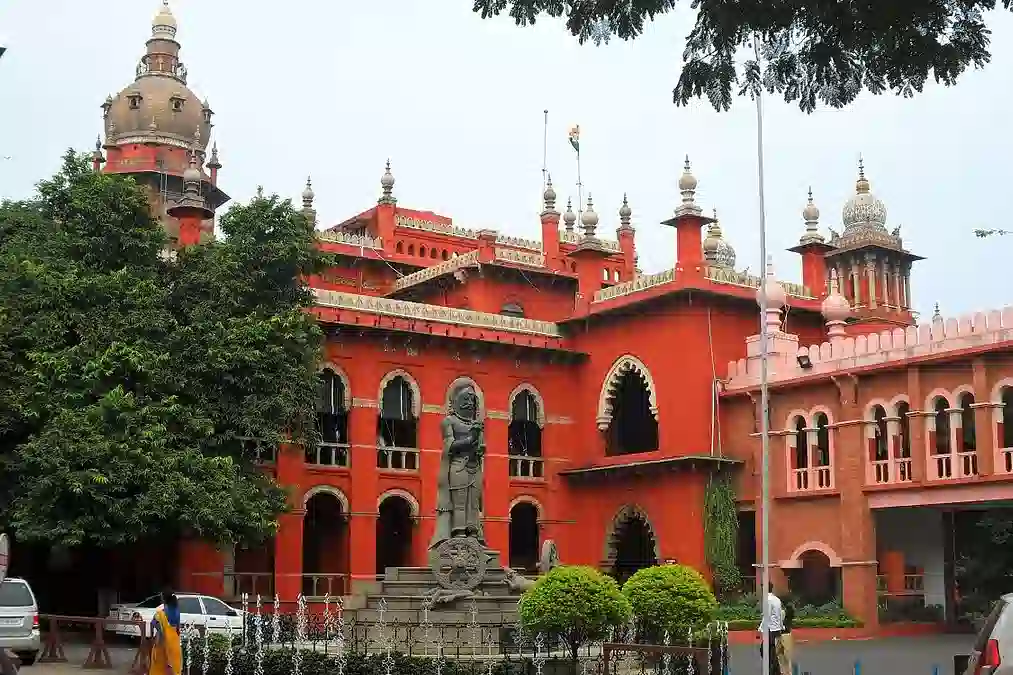
The Madras High Court extended its interim stay on trial proceedings in a dispute over late actor Sridevi’s Chennai property, involving film producer Boney Kapoor and his daughters Janhvi Kapoor and Khushi Kapoor.
Justice T.V. Thamilselvi also posted the matter for final hearing on March 26, 2026, while continuing the stay on proceedings before the Chengalpattu court.
The case concerns a 4.7-acre property on Chennai’s East Coast Road, acquired in 1988.
The civil suit was filed by M.C. Sivakami, her brother M.C. Natarajan, and their mother Chandrabhanu, claiming a share in the property.
They argued that the land originally belonged to their paternal grandfather and alleged that the sale deeds executed in favour of Sridevi and her sister were fraudulent.
The plaintiffs also sought to declare four sale deeds executed in 1988 as null and void, contending that they were unlawfully deprived of their rightful share.
Kapoor and his daughters approached the High Court after the Additional District Judge, Chengalpattu, refused to reject the plaint under Order VII Rule 11 of the Civil Procedure Code.
Read Also:- Madras High Court Orders SC/ST Act Charges, CBCID Probe in Akash Delison Custodial Death Case
Before the High Court, the Kapoor family argued that the suit was legally untenable and barred by limitation, having been filed nearly four decades after the execution of the sale deeds.
They further claimed that the plaintiffs had suppressed crucial facts, particularly regarding the validity of Chandrabhanu’s marriage.
On the other hand, the plaintiffs opposed the plea, stating that the issues raised involved disputed facts that could only be adjudicated during a full trial.
They also maintained that there is no limitation period for seeking partition of undivided immovable property.
The trial court had earlier observed that rejection of a plaint is permissible only under specific conditions, such as absence of cause of action or when the suit is barred by law.
It held that the plaintiffs had disclosed a valid cause of action and that the question of limitation required detailed examination during trial.
The High Court, while not making final findings at this stage, considered it appropriate to continue the interim stay until the matter is fully heard.
The Madras High Court extended the interim stay on all further proceedings before the Chengalpattu court.
The matter has been posted for final disposal on March 26, 2026.


