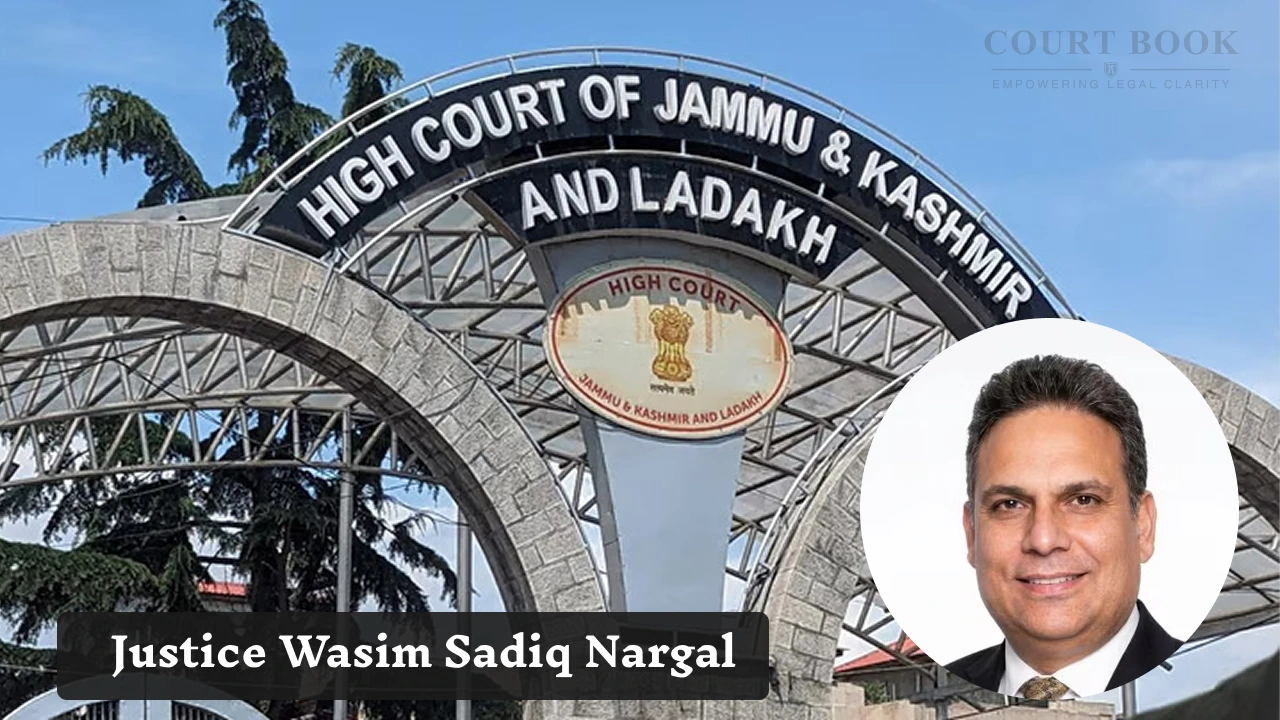
The High Court of Jammu & Kashmir and Ladakh has dismissed a writ petition challenging a demolition communication issued for the removal of an alleged encroachment on government land in Leh. The Court held that the authorities were justified in acting against the person shown as the registered proprietor in official records and were not required to issue separate notices to individuals whose names did not appear in those records.
Background of the Case
The petition was filed by former directors of a struck-off company claiming rights over a tourist resort known as "The Last Resort" at Palam, Spituk, Leh. According to the petitioners, they had invested substantially in developing the resort and stated that the premises had also been used by the district administration as a COVID-19 isolation centre during the pandemic.
They challenged a demolition communication dated May 17, 2022, primarily arguing that it had been issued without serving any notice on them, thereby violating the principles of natural justice. Initially, the petition sought several reliefs, including compensation, restoration of business access, electricity connection and alternate land. During the hearing, however, the petitioners confined their challenge only to the demolition communication.
Court's Observations
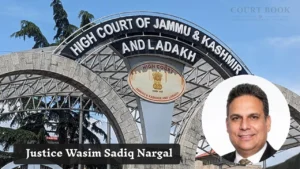
Justice Wasim Sadiq Nargal examined whether the demolition communication could be interfered with solely because the petitioners had not received an independent notice.
The Court noted that official records maintained by the Tourism Department and the Power Development Department showed respondent No. 14, Tsering Angchok, as the registered proprietor of the resort, with the electricity connection also standing in his name. On that basis, the authorities issued notice to him before initiating the demolition process.
Rejecting the petitioners' challenge, the Court observed:
“Once the respondents had acted on the basis of the official records maintained by the competent authorities, it cannot be held that they were under any further obligation to issue notice to persons whose names did not find place in such records.”
The bench further stated:
“The principles of natural justice are not to be applied in the abstract. The requirement of notice has to be examined in the context of the person against whom the authority was legally required to proceed.”
The Court also found that the petitioners had failed to produce any official document showing that they were recognised by any statutory authority as owners, proprietors, lessees or occupiers of the resort when the demolition communication was issued.
Civil Disputes Cannot Be Decided in Writ Jurisdiction
Another important aspect considered by the Court was that the petitioners' claims were based on private agreements, alleged lease arrangements, investments and possession of the property. These claims were disputed by the private respondents.
Relying on the Supreme Court's decision in Roshina T. v. Abdul Azeez, the High Court held that such disputed questions concerning title, possession and contractual rights require evidence and cannot ordinarily be decided in proceedings under Article 226 of the Constitution. The Court clarified that it was not expressing any opinion on the parties' civil rights, leaving those issues open for adjudication before the appropriate forum.
Court's Decision
Finding no procedural illegality in the authorities' action, the High Court held that the demolition communication did not warrant interference under its writ jurisdiction. The writ petition, insofar as it challenged the demolition notice, was dismissed.
The Court also closed the connected contempt proceedings after disposal of the main petition.
Case Details
Case Title: Ms. Kunzang Dolma & Ors. v. Union of India & Ors.
Case Number: WP(C) No. 1196/2022 (with connected matters)
Judge: Justice Wasim Sadiq Nargal
Decision Date: 21 July 2026